
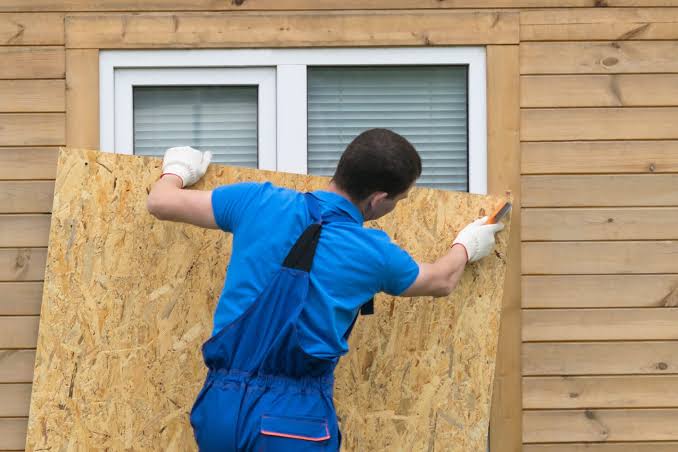
Two rolls of duct tape and a case of water. That was my neighbor Dale’s entire hurricane prep list for eleven years, right up until a shingle punched through his sliding glass door during a storm that never even made landfall nearby. The tape did nothing. It never does.
If you own a home anywhere near a coastline, the single most useful thing you can do this month is figure out whether your windows and doors can actually take a hit. Not whether they look solid. Not whether they were expensive. Whether they meet the load and impact standards for where you live. Most homeowners have never checked, and the answer is usually sitting in the permit records at city hall.
This is where a company like Absolute Window & Door comes in, but you can do a lot of the homework yourself first. Here’s how to grade your own openings without climbing a ladder or calling anyone.
What “storm ready” actually means (hint: it’s not thickness)
People assume a heavy window is a strong window. Weight tells you almost nothing. What matters is whether the unit carries a product approval for impact resistance and a design pressure rating that matches the wind zone your address sits in.
Impact glass is built as a laminated assembly. A flexible interlayer bonds two panes together, so when something strikes it, the glass cracks but stays in the frame. That is the whole trick. The opening stays closed, which keeps wind from pressurizing your house from the inside.
Design pressure is the number most people skip, and it’s the one that matters most. It’s expressed in positive and negative pounds per square inch, and your local building department sets the minimum based on wind speed maps. A window rated for a mild inland breeze is not the same product as one built for a barrier island, even if the frames look identical in a showroom.
Five signs your current windows won’t make it
Walk your house with a notepad. Look for these, and be honest with yourself.
- No permanent label or etching. Impact products carry a visible manufacturer’s mark, usually on the glass or the frame. No mark, no proof.
- Single pane with a storm panel stash in the garage. Panels work, but only if someone installs them before the storm. That’s a chore, not a system.
- Rattling or drafty frames. Loose sashes and worn weatherstripping let wind-driven rain in long before anything breaks.
- Rot, soft wood, or rust stains around the frame. The structure holding the glass matters as much as the glass.
- Cracks in the wall above or below a corner. That’s a sign of movement, and a moving opening is a failing opening.
Two of the five is my threshold. If you hit three, stop reading and start getting quotes, because you’re not patching your way out of this.
How wind zones change your shopping list
Coastal building codes are not uniform. Wind speed requirements shift as you move inland, and the difference between one town and the next can change which products are even legal to install on your house. Local inspectors enforce this, so a contractor who pulls permits will already know your number.
This is also why a quote from a big box store can be quietly useless. The unit on the shelf may not carry the approval your address requires, and if it doesn’t, the job won’t pass inspection. Ask any installer to show you the product approval number before you sign. If they hesitate, that’s your answer.
The federal government tracks and forecasts these systems through the National Weather Service, and their seasonal outlooks are free. Checking them once a month during storm season takes four minutes and tells you more than any panic run to the hardware store.
The 20-minute self-inspection I run every spring
Here’s the routine. Set a timer, because you’ll want to quit halfway through.
- Stand outside and photograph every window and door from about ten feet back. Compare the photos year over year. Hairline cracks show up fast in pictures.
- Open and close each window once. Anything that sticks, drags, or needs a shoulder is a problem.
- Press a piece of paper into the gap between sash and frame, then close the window on it. If the paper slides out with no resistance, air will do the same.
- Check the caulk line where the frame meets the wall. Cracked caulk is a water path.
- Look at the door threshold and the corners of sliding glass doors, which are the two spots that leak first in almost every home I’ve walked.
Write the date on the notes and keep them. When you eventually sell the house, that log is a nice thing to hand a buyer.
Panels, film, or full replacement?
You’ve got three real options, and they are not equal.
| Option | Upfront cost | Storm day effort | My take
|
|---|---|---|---|
| Storm panels or shutters | Low to moderate | High, you install them every time | Fine for a rental or a tight budget |
| Window film | Low | None | Not a substitute for impact glass |
| Impact window replacement | High | None | What I’d choose for a primary residence |
Film is the one that trips people up. It holds shattered glass together, which reduces injury risk, but it does not add structural strength to the opening and it carries no product approval. Insurance companies know the difference, and so do inspectors.
Replacement costs more because you’re buying a tested assembly with a rating behind it, installed to a code standard. That’s the actual product. The glass is just the visible part.
Why efficient glass is a year-round payoff, not just a storm one
Storm protection gets all the attention, and it shouldn’t be the only reason you upgrade. Modern impact units are built with low-emissivity coatings and insulated frames that reduce heat transfer in both directions. In a hot, humid climate that means your air conditioner runs less from May through October, not just during a named storm.
The Environmental Protection Agency runs the Energy Star program, which sets the efficiency benchmarks these products are measured against. If a salesperson can’t tell you where their unit falls on that scale, you’re talking to the wrong person.
There’s a structural angle too. Building codes exist because of damage patterns that get studied after every major storm, and the National Institute of Standards and Technology is one of the agencies that does that research. The standards your windows are tested against didn’t come from a marketing department.
Start before the forecast turns
Every year, the same thing happens. The first named storm forms, and suddenly everyone wants an estimate by Friday. Contractors book out. Suppliers run short on popular sizes. Prices firm up. Meanwhile, the people who called in March are already done and back to worrying about something else.
So here’s your move. Take the photos. Run the paper test. Check the labels on your glass. If your windows pass, you’ve got real peace of mind for the cost of twenty minutes. If they don’t, you’ve got a project, and the best time to start it is the week before anyone else is thinking about it.
What’s your house’s weakest opening right now? Most people already know, they just haven’t said it out loud yet.