
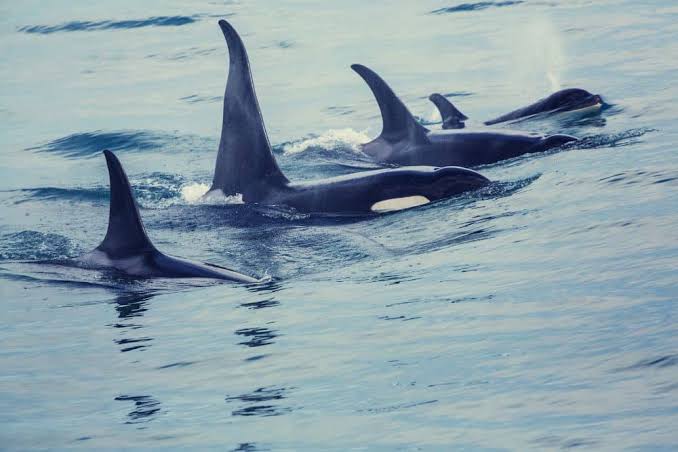
Sri Lanka is a wonderful destination for nature lovers, offering everything from beautiful beaches and tropical forests to fascinating marine wildlife. Among its many coastal experiences, whale watching in Trincomalee is particularly memorable. Located along the island’s eastern coastline, Trincomalee is known for its calm blue waters and opportunities to spot some of the ocean’s most impressive creatures.
For travellers planning a coastal escape, whale watching is an excellent addition to a relaxing holiday. Staying at a luxury resort in Trincomalee, Sri Lanka provides a wonderful opportunity to enjoy the region’s natural beauty while discovering the marine life found just beyond its shores. Whether travelling as a couple, with family or with friends, this experience offers a different perspective on Sri Lanka’s coastal attractions.
Why Is Trincomalee Popular for Whale Watching?
Trincomalee is recognised as one of Sri Lanka’s notable whale-watching destinations. Its location along the eastern coast makes it an attractive area for marine wildlife encounters, particularly during the warmer months of the year.
The waters surrounding the region are home to several marine species, including whales and dolphins. Visitors often join boat excursions that travel offshore in search of these magnificent animals. Along the way, they can enjoy beautiful views of the coastline and the vast Indian Ocean.
Beyond whale watching, Trincomalee also offers opportunities to enjoy snorkelling, swimming and other ocean-based activities, making it an appealing destination for a seaside holiday.
Best Time for Whale Watching in Trincomalee
Timing plays an important role when planning a whale-watching excursion. The best season for whale watching in Trincomalee is generally between March and August, when the eastern coast experiences relatively favourable sea conditions.
During these months, the ocean is often calmer, making boat journeys more comfortable and creating better opportunities to observe marine wildlife.
April, May, June and July are particularly popular months for visitors interested in exploring the region’s marine environment. However, weather and sea conditions can change, so it is always advisable to check local conditions before arranging an excursion.
Travellers visiting Sri Lanka during this period can combine whale watching with beach activities and sightseeing around Trincomalee.
What Types of Whales Could You See?
One of the most exciting aspects of whale watching is the possibility of encountering different whale species in their natural environment.
Blue whales are among the most remarkable marine animals that visitors may encounter off the coast of Trincomalee. Known as the largest animals on Earth, these gentle giants are an unforgettable sight when they surface above the water.
Sperm whales are another species associated with the waters around Sri Lanka. Recognised by their distinctive large heads, they are fascinating creatures that attract considerable interest among marine wildlife enthusiasts.
Although sightings are never guaranteed, the possibility of seeing these magnificent animals makes a whale-watching excursion an exciting experience.
Dolphins: Another Highlight of the Experience
Whale watching is not always limited to spotting whales. Dolphins are also commonly associated with the marine environment around Trincomalee.
Visitors may encounter playful pods of dolphins swimming alongside boats or moving through the water in groups. Their energetic movements and occasional jumps make them particularly enjoyable to observe.
Spinner dolphins are among the species that may be seen in Sri Lankan waters. Watching them move through the ocean can be one of the highlights of a morning boat trip.
For families and nature enthusiasts, these encounters add another memorable element to the overall experience.
What to Expect During a Whale-Watching Trip
Most whale-watching excursions begin early in the morning, when sea conditions are often more favourable. Visitors generally travel by boat from the coastal area towards offshore locations where marine wildlife may be present.
The experience usually involves spending several hours at sea, enjoying the ocean scenery while looking out for whales and dolphins. Experienced boat operators and guides can help identify marine animals and provide useful information about the surrounding environment.
It is worth remembering that whale watching takes place in a natural setting. Sightings depend on several factors, including weather, sea conditions and the movement of marine wildlife.
Even without a whale sighting, the open ocean, fresh sea breeze and beautiful coastal views can make the excursion worthwhile.
Other Attractions to Explore Around Trincomalee
A visit to Trincomalee offers much more than whale watching. The destination is known for its beautiful beaches, historical landmarks and relaxed coastal atmosphere.
Nilaveli Beach is a popular place to enjoy the sunshine and clear waters, while nearby Pigeon Island is known for its marine biodiversity and snorkelling opportunities.
Visitors can also explore Fort Frederick, an important historical landmark, or visit the famous Koneswaram Temple, which overlooks the ocean from Swami Rock.
These attractions provide an excellent way to experience different aspects of Trincomalee while enjoying a coastal holiday.
Tips for Planning Your Whale-Watching Experience
A little preparation can make your excursion more comfortable and enjoyable. Booking with a responsible and experienced boat operator is important, particularly when choosing a trip that involves observing marine wildlife.
It is also a good idea to carry sunscreen, sunglasses, a hat and drinking water, as the tropical sun can be strong during morning excursions. Comfortable clothing and suitable footwear will help make the journey more pleasant.
Travellers who are prone to seasickness may also wish to prepare accordingly before heading offshore.
Most importantly, choose excursions that follow responsible wildlife-watching practices. Maintaining a respectful distance from marine animals helps protect their natural behaviour and surrounding environment.
Enjoy a Coastal Escape in Trincomalee
One of the best ways to experience Trincomalee is to combine marine adventures with time spent enjoying the region’s beautiful coastline. After an early morning whale-watching trip, visitors can return to the beach, relax by the ocean or explore the surrounding attractions.
The destination’s peaceful atmosphere makes it particularly appealing for travellers looking to balance adventure with relaxation.
With its natural beauty, fascinating marine life and inviting coastal surroundings, Trincomalee offers plenty of opportunities to create memorable holiday experiences.
Conclusion
Whale watching in Trincomalee is a wonderful experience for anyone interested in discovering Sri Lanka’s marine wildlife. With the best viewing season generally falling between March and August, visitors have the opportunity to look for blue whales, sperm whales and playful dolphins in the waters along the eastern coast. Combined with beautiful beaches, historical attractions and opportunities for relaxation, whale watching adds something special to a visit to Trincomalee. Whether enjoying an early morning boat excursion or unwinding along the coastline afterwards, travellers can discover another side of Sri Lanka’s natural beauty while making the most of their coastal getaway.