
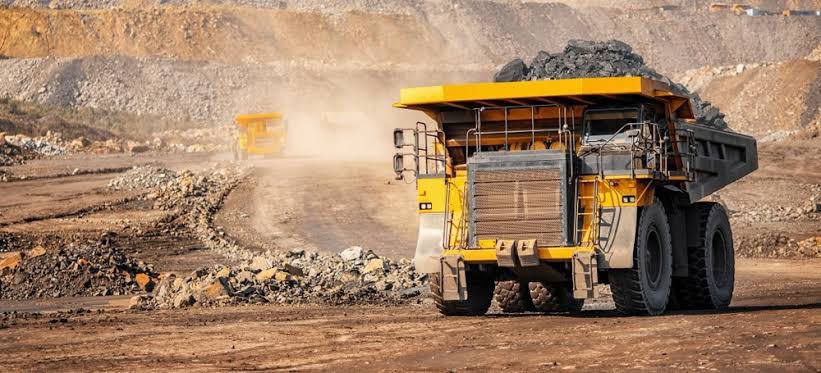
Mine sites are busy, complex environments. Large haul trucks, loaders, drill rigs, light vehicles and people often share the same roads, tunnels and work areas. Visibility can be limited by dust, darkness, tight bends and the sheer size of the equipment. In these conditions, interactions between vehicles and between vehicles and people are among the most serious safety risks in mining. Collision avoidance systems are helping to address this challenge, transforming how mine sites manage the risk of vehicle interactions.
Why vehicle interactions are so dangerous
Collisions involving mobile equipment have long been one of the leading causes of serious injuries and fatalities in mining. Large mining machines have significant blind spots, and operators may be unable to see smaller vehicles or people close to their machine. Underground, narrow tunnels, poor lighting and intersections increase the risk further. Even a low-speed collision involving heavy equipment can have devastating consequences.
Traditional controls, such as traffic rules, signage, separation of people and vehicles, training and radio communication, remain essential. However, they rely heavily on human behaviour, and people can become distracted, tired or make mistakes. Collision avoidance technology adds an extra layer of protection.
How collision avoidance systems work
Collision avoidance systems use a combination of sensors and communication technologies to detect the presence of vehicles, people and obstacles around a machine. Common technologies include radio-based tags worn by people or fitted to vehicles, ultra-wideband positioning, radar, cameras, lidar and GPS on surface sites. Each technology has strengths and limitations, so many systems combine several to improve accuracy and reliability.
When the system detects that a vehicle or person is within a defined zone around a machine, it alerts the operator and, in more advanced systems, can take action automatically. Detection zones can be configured based on speed, direction of travel and the type of machine, so that warnings are relevant to the situation.
From awareness to intervention
Collision avoidance technology is often described in terms of levels. At the most basic level, systems improve operator awareness, providing information about nearby vehicles and people. The next level provides advisory alerts, warning operators of potential collisions so they can take action. At the highest level, intervention systems can automatically slow down or stop a machine if the operator does not respond in time.
Industry frameworks, such as the vehicle interaction levels developed by the Earth Moving Equipment Safety Round Table, have helped mining companies and equipment manufacturers develop a shared understanding of these levels. Many operations are now moving towards systems that can intervene automatically, providing a final safeguard when other controls fail.
Benefits beyond collision prevention
The primary purpose of collision avoidance systems is to prevent accidents, but they offer additional benefits too. The data they generate provides valuable insight into how vehicles and people interact on site. Analysing near-miss events can reveal high-risk locations, such as busy intersections or poorly designed traffic routes, allowing operations to improve layouts and procedures.
This data can also support training, helping operators understand where risks arise and how to avoid them. Over time, a better understanding of vehicle interactions helps build a stronger safety culture across the whole operation.
Regulation and industry expectations
Regulators in several major mining countries have introduced requirements for proximity detection and collision prevention technology on certain types of mobile equipment. South Africa and the United States, for example, have both introduced rules in this area. Even where regulations do not require it, many mining companies are adopting collision avoidance technology as part of their commitment to eliminating fatalities and serious injuries. Equipment manufacturers increasingly design machines to be compatible with these systems, making integration easier.
Choosing and implementing the right system
Selecting a collision avoidance system mining operations can rely on requires careful consideration of the site’s specific risks, equipment fleet and operating environment. Underground and surface mines present very different challenges, and a system must be reliable in the conditions where it will be used. Compatibility with existing machines, the ability to integrate with machine controls for automatic intervention and the quality of supplier support are all important factors.
Implementation is as important as the technology itself. A thorough risk assessment helps identify where the system will have the greatest impact. Detection zones must be configured carefully to provide timely warnings without generating excessive false alarms, which can lead operators to ignore alerts. Training ensures operators and pedestrians understand how the system works and how to respond.
Part of a wider safety approach
Collision avoidance systems are most effective when they form part of a wider approach to managing vehicle interactions. Good mine design, clear traffic management plans, separation of people and vehicles where possible, well-maintained roads, effective lighting and strong operator training all remain essential. Technology supports these controls rather than replacing them.
A safer future for mining
Collision avoidance systems are transforming mine site safety by giving operators greater awareness and, increasingly, by stepping in automatically to prevent accidents. As technology continues to improve, with better sensors, more accurate positioning and closer integration with machine controls, these systems will play an even greater role in protecting people. For an industry committed to sending every worker home safely, collision avoidance technology is becoming an essential tool.