
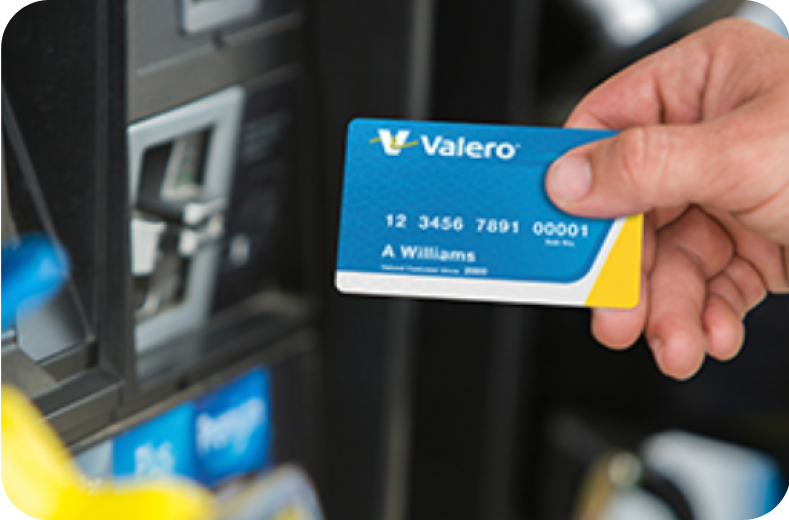
Managing fuel purchases across a business fleet can involve many moving parts. Drivers need a convenient way to pay at the pump, while managers need reliable records to review spending and keep accounts organized. Fleet fuel cards, sometimes called business gas cards, are payment tools designed to help bring these tasks together. Find out more about business fuel card options at https://www.valerofleetcards.com and the features available for managing fleet fuel.
The features and terms vary by program. A card may be accepted at a broad network of fueling locations or within a more limited network. It may also offer transaction reports, account controls, or location-specific pricing. Understanding how these features work can help a business decide whether a fleet fuel card fits its operations.
How Do Business Gas Cards Work?
A business gas card is issued to a company or fleet account and assigned to an authorized driver, vehicle, or employee. At a participating location, the driver uses the card to pay for fuel. Depending on the program, the driver may also need to enter a personal identification number, odometer reading, vehicle number, or other information.
After a purchase, the transaction is recorded in the account. The record may include details such as the purchase date, location, amount, fuel type, and the card or vehicle associated with the sale. Account administrators can review these transactions online or through periodic statements, depending on the provider.
Some programs allow administrators to set rules for card use. Options may include purchase limits, product restrictions, or controls on when cards can be used. The available settings depend on the program and should be reviewed before an account is opened.
A More Organized Way to Pay for Fuel
One potential benefit of fleet fuel cards is having a designated payment method for business fuel purchases. Drivers may not need to use personal payment methods and submit separate reimbursement requests for every fill-up. A consistent process can make routine fueling easier to manage across a team.
Businesses should check where a card is accepted before choosing a program. A large acceptance network may be useful for vehicles that travel across regions, while a smaller network may suit fleets that operate in a limited area. Comparing station locations with regular routes can help determine whether drivers will be able to fuel conveniently.
Clearer Transaction Records
Fuel card accounts can consolidate purchase information in one place. Instead of relying only on paper receipts, managers may be able to review electronic records by date, driver, vehicle, or location. This can support expense tracking and help accounting staff reconcile fuel purchases with business records.
Transaction reporting may also help managers notice activity that needs a closer look, such as a purchase that does not match a vehicle’s schedule or a transaction that falls outside company policy. Records do not explain every situation on their own, so businesses should have a process for reviewing questions and resolving discrepancies.
Account Controls for Business Needs
Many fleet fuel card programs offer account controls that administrators can tailor to company procedures. Depending on the card, these may include limits on purchase amounts, restrictions on nonfuel items, or rules for card use. Controls can help reinforce purchasing policies and make expectations clearer for drivers.
A business should consider which controls are practical for its fleet. Strict limits may suit predictable routes and schedules, while vehicles with changing assignments may need more flexibility. Clear driver guidance is important: employees should know which purchases are allowed, what information they must enter, and whom to contact if a card is lost or declined.
Less Manual Receipt Handling
Electronic transaction records may reduce the amount of paper businesses collect and organize. They can also make it easier to review fuel expenses without waiting for drivers to submit individual receipts. How much administrative work changes will depend on the company’s current process and the reporting tools included with the card.
Some businesses may still need receipts for accounting, tax, or internal documentation purposes. Before switching payment methods, it helps to confirm how card reports can be downloaded, retained, or connected with existing bookkeeping software.
Possible Access to Pricing Programs
Some business gas cards include discounts, rebates, or other pricing arrangements at certain locations. These offers can have conditions, such as limits by station, region, fuel type, or transaction method. Fees and account terms may also affect how useful an offer is to a particular business.
Fleet operators can compare the full terms with their usual fueling patterns. A pricing feature is most relevant when participating locations are accessible on drivers’ routes and the terms align with how the company buys fuel. Businesses should review current program details rather than assume an advertised offer applies to every purchase.
What to Compare Before Choosing a Fleet Fuel Card
Before selecting a card, consider where vehicles travel, which fueling locations are accessible, and how many drivers need cards. Review the acceptance network, account controls, transaction reports, fees, payment schedule, customer support, and procedures for lost cards or disputed purchases. It may also be useful to check whether the card works with the company’s accounting or fleet management tools.
A written fuel policy can make a card program easier to administer. It can explain card assignments, permitted purchases, required driver information, receipt rules, and steps for reporting problems. Periodically reviewing transactions and account settings helps keep the program aligned with changing routes and business needs.
A Tool to Support Fleet Management
Fleet fuel cards can provide a consistent way to pay for fuel, centralize transaction records, and give businesses options for managing card use. Some programs also include pricing features or tools that can simplify expense review. The value of these benefits depends on the card’s terms, available locations, and the company’s operating practices.
Comparing business gas cards with a fleet’s actual routes and recordkeeping needs can help managers make an informed choice. With suitable controls, clear driver policies, and regular account reviews, a fuel card can support a more organized approach to managing fleet fuel purchases.