
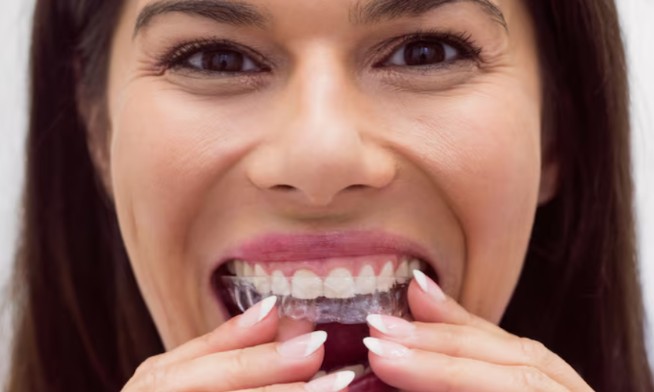
Orthodontic treatment has changed considerably over the years, giving people more choices when it comes to improving their smiles. Traditional metal braces remain a reliable option, but many adults now prefer treatments that are less noticeable and easier to manage in everyday life. Invisible dental braces, commonly known as clear aligners, offer an alternative for people who want to straighten their teeth without wearing visible metal brackets and wires.
Clear aligners are made from transparent, medical-grade plastic and are custom-designed to fit a patient’s teeth. They gradually move teeth into better positions through a planned series of small adjustments. Because the aligners are difficult to notice when worn, they appeal to adults who want to improve their smiles while maintaining a professional appearance at work, during social activities, and in other everyday situations. Adults exploring discreet orthodontic options can learn more about dePacific Dental – invisible dental braces for adults and the treatment options available for improving their smiles.
How Clear Aligners Straighten Teeth
The treatment process usually begins with a consultation and a detailed examination of the patient’s teeth and gums. An orthodontic professional will assess the alignment of the teeth, bite position, and overall oral health to determine whether clear aligners are appropriate.
Digital scans or dental impressions are then used to create an accurate model of the patient’s mouth. This information helps the dental team develop a treatment plan showing how the teeth are expected to move throughout the process. Specialised software may also be used to create a visual preview of the planned changes, allowing patients to understand the expected direction of treatment.
Once the treatment plan is approved, a series of custom-made aligners is produced. Each set is designed to make small adjustments to tooth positioning. Patients move through the series according to their dentist’s instructions, with regular check-ups to monitor progress and make changes when necessary.
The aligners must be worn consistently for the treatment to work as planned. Although the exact schedule varies, patients are commonly advised to wear them for around 20 to 22 hours each day.
Why Adults Choose Invisible Braces
One of the main reasons adults consider clear aligners is their discreet appearance. Metal braces can be noticeable when speaking, smiling, or taking photographs. Clear aligners provide a less visible alternative, which can make orthodontic treatment more appealing to people who regularly attend meetings, interact with clients, or work in public-facing roles.
Comfort is another factor. Traditional braces use brackets and wires that can sometimes irritate the inside of the cheeks and lips. Clear aligners do not have these metal components, which may reduce certain types of irritation. However, patients can still experience pressure or mild soreness when switching to a new set because the aligners are designed to move the teeth.
Their removable design also makes daily activities more convenient. Patients can take the aligners out when eating, so they do not have to avoid certain foods because of brackets or wires. They can also remove them when brushing and flossing, making it easier to maintain their usual oral hygiene routine.
These benefits make clear aligners a practical option for many adults, although they still require commitment and proper care throughout treatment.
Keeping Teeth and Aligners Clean
Good oral hygiene is important during any orthodontic treatment. One advantage of removable aligners is that patients can brush and floss their teeth without working around fixed brackets. However, this does not mean cleaning can be overlooked.
Before putting the aligners back in, patients should make sure their teeth are clean. Food particles and plaque trapped between the teeth and aligners can contribute to tooth decay, gum irritation, and other oral health concerns. Drinking anything other than plain water while wearing aligners is generally discouraged, particularly when the drink contains sugar or colouring.
The aligners also need regular cleaning. Patients should follow the manufacturer’s and dentist’s instructions, usually involving gentle cleaning with a suitable brush and an approved cleaning solution. Hot water should be avoided because high temperatures can change the shape of the plastic and affect how the aligners fit.
When the aligners are not being worn, they should be stored in their protective case. Leaving them on a table, wrapping them in tissue, or placing them in a pocket can increase the risk of damage or accidental loss.
How Long Does Treatment Usually Take?
The length of clear aligner treatment depends on the condition being corrected and how the teeth respond to movement. Some patients with minor alignment concerns may complete treatment in a shorter period, while more complicated cases can take longer.
Many treatment plans last around 12 to 18 months, but this is only a general estimate. The dentist will provide a more suitable timeline after examining the patient’s teeth and preparing a treatment plan.
Wearing the aligners for the recommended number of hours each day is essential. Frequently removing them or forgetting to wear them can slow progress and affect how well the next aligner fits. Patients should also attend scheduled appointments so their dental professional can check whether the teeth are moving as expected.
If an aligner feels unusually uncomfortable, becomes damaged, or no longer fits properly, patients should contact their dental provider rather than attempting to adjust it themselves.
Who Can Benefit from Invisible Dental Braces?
Clear aligners can help address several common orthodontic concerns, including crowded teeth, gaps, and certain bite problems. They are often suitable for mild to moderate alignment issues, making them attractive to adults who want to improve their dental appearance without fixed braces.
However, they are not appropriate for every patient. Some complex bite problems, significant tooth movements, or other dental conditions may require traditional braces or a different treatment approach. Existing gum disease, untreated cavities, and other oral health concerns may also need attention before orthodontic treatment begins.
A professional assessment is therefore necessary before choosing clear aligners. The dentist will consider the patient’s dental condition, treatment expectations, lifestyle, and ability to follow the required wearing schedule. Choosing treatment based only on appearance may lead to unrealistic expectations or an unsuitable result.
Understanding the Cost of Clear Aligners
The price of invisible braces varies depending on the complexity of the case, the expected treatment period, the aligner system used, and the dental clinic’s fees. Cases requiring more adjustments or additional appointments may involve higher costs.
Although clear aligners can sometimes cost more than traditional braces, some adults are willing to pay extra for their discreet appearance and removable design. However, the total cost should be considered alongside the quality of professional care and the level of follow-up provided.
Dental insurance coverage also differs between providers and policies. Some plans include orthodontic benefits, while others exclude certain types of treatment or have limits on reimbursement. Patients should check their coverage and ask the clinic about payment arrangements before starting.

The Importance of Choosing an Experienced Dental Professional
The success of orthodontic treatment depends on more than the aligners themselves. Proper diagnosis, careful planning, and regular monitoring are important throughout the process. An experienced dental professional can identify problems that may affect treatment and recommend changes when needed.
Modern scanning equipment and treatment-planning software have made it easier to assess tooth positioning and plan gradual movements. However, digital previews are estimates rather than guarantees of the final result. Teeth may respond differently from what was initially expected, which is why professional supervision remains necessary.
Patients should choose a dental provider who explains the treatment clearly, discusses possible limitations, and provides appropriate follow-up care. Understanding the process before committing can help patients make informed decisions.
Maintaining Your Smile After Treatment
Completing clear aligner treatment is an important milestone, but keeping the results requires ongoing care. Teeth can gradually move back towards their previous positions if they are not supported after orthodontic treatment. This is known as relapse.
To help prevent unwanted movement, dentists usually recommend wearing a retainer after treatment. Retainers may be removable or fixed, depending on the patient’s needs and the professional’s recommendation. Some patients need to wear them full-time initially before moving to a part-time schedule.
Regular dental check-ups, proper brushing and flossing, and following retainer instructions all contribute to maintaining the results. Patients should also contact their dentist if a retainer becomes damaged or stops fitting properly.
A Practical Option for a More Confident Smile
Invisible dental braces have made orthodontic treatment more accessible to adults who prefer a discreet alternative to traditional metal braces. Their transparent appearance, removable design, and personalised treatment process offer several practical benefits. However, they still require consistent use, good oral hygiene, and professional supervision.
For adults considering a change to their smile, the first step is to arrange a dental consultation and understand which treatment options are suitable. With the right assessment and ongoing care, clear aligners can help address alignment concerns while supporting a healthy and well-maintained smile.