
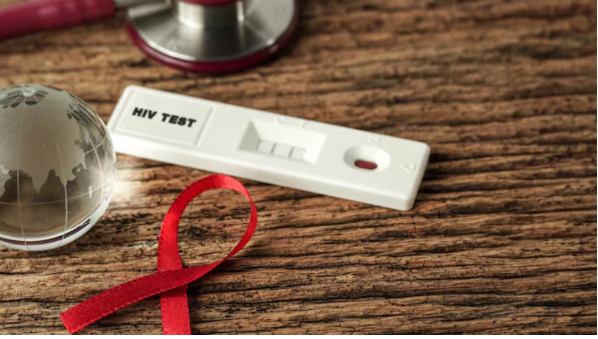
HIV prevention has become more effective over the years as medical research continues to introduce new ways to reduce the risk of infection. One important development is pre-exposure prophylaxis, better known as PrEP. This preventive treatment is designed for people who do not have HIV but may have a higher chance of exposure. As awareness grows, PrEP in Singapore is becoming an important part of conversations about sexual health, early prevention, and access to reliable medical support.
PrEP gives individuals another way to protect themselves before a possible exposure to HIV occurs. When used correctly under medical guidance, it can greatly reduce the risk of acquiring the virus. It also supports a wider approach to sexual health by encouraging regular testing, honest conversations with healthcare professionals, and informed decisions about personal safety.
What Is PrEP and How Does It Work?
Pre-exposure prophylaxis involves taking specific antiretroviral medication to prevent HIV from establishing an infection in the body. It is intended for individuals who have tested negative for HIV and may face an increased risk of exposure through sexual activity or sharing injection equipment.
The medication works by interfering with the virus’s ability to reproduce after entering the body. When the prescribed medication is present at protective levels, it becomes much harder for HIV to establish a lasting infection. However, PrEP must be taken according to the recommended schedule to provide the expected level of protection.
Daily oral PrEP is a commonly used option, although suitable schedules and alternatives depend on the medication, individual circumstances, and medical advice. Some people may be eligible for other dosing approaches, but these should only be followed when a qualified healthcare professional confirms that they are appropriate.
PrEP is highly effective when used correctly, but it does not prevent other sexually transmitted infections. Condoms, regular screening, and other recommended precautions remain valuable parts of a complete sexual health plan.
Why PrEP Has Become an Important HIV Prevention Option
Before PrEP became available, HIV prevention relied heavily on methods such as condom use, testing, education, and reducing exposure to situations that could transmit the virus. These measures remain important, but PrEP has added another option for people who want additional protection.
One of its main benefits is that it allows individuals to take an active role in managing their own HIV prevention. Rather than relying only on a partner’s testing history or prevention choices, someone using PrEP can follow a medical plan designed around their personal circumstances.
This can be especially helpful for people who have partners living with HIV, have multiple sexual partners, or may not always be able to negotiate condom use. It can also benefit individuals who share injection equipment, although access to sterile equipment and other harm reduction services remains essential.
PrEP is not a replacement for other prevention methods. Instead, it works best as part of a broader approach that considers a person’s health, relationships, and possible exposure risks.
The Growing Role of PrEP in Singapore
Singapore’s approach to HIV prevention includes public education, testing services, medical treatment, and community support. PrEP adds another option to these efforts by helping people who may be at risk reduce their chances of acquiring HIV.
Access to accurate information is particularly important because people may have questions about who can use PrEP, how much it costs, and what medical checks are required. Healthcare professionals can explain the available options and help individuals decide whether the medication is suitable for them.
Community organisations and healthcare providers also have an important role in making prevention services easier to access. Confidential consultations and non-judgmental support can encourage more people to seek advice without feeling uncomfortable about discussing their sexual health.
Reducing stigma is another important part of this process. HIV prevention should be treated as a normal aspect of healthcare rather than something that invites criticism or embarrassment. When people feel respected, they may be more willing to ask questions, get tested, and consider preventive treatment.
Medical Checks and Ongoing Monitoring
Starting PrEP involves more than simply obtaining medication. A healthcare professional must first confirm that the individual does not have HIV. This is essential because PrEP alone is not a complete treatment for someone who already has an HIV infection. Taking it without identifying an existing infection may increase the risk of medication resistance.
Depending on the person’s circumstances and the medication being considered, initial assessments may include kidney function tests, screening for hepatitis, and testing for other sexually transmitted infections. These checks help determine whether PrEP is appropriate and establish a baseline for future monitoring.
Regular follow-up appointments are also necessary. During these visits, healthcare professionals can arrange repeat HIV testing, review medication use, assess possible side effects, and discuss any changes in exposure risk. Kidney function may also need monitoring for people taking certain oral PrEP medications.
Some individuals experience mild side effects, particularly when first starting treatment. These may include nausea, headaches, or stomach discomfort. Such effects often improve, but anyone experiencing persistent or concerning symptoms should speak with their healthcare provider instead of stopping or changing the medication without advice.
Understanding the Barriers to PrEP Access
Although PrEP is an effective prevention option, not everyone who could benefit from it has easy access. Cost is one common concern, particularly for people who need to pay for consultations, laboratory tests, and medication. The availability of knowledgeable healthcare providers can also influence whether individuals receive suitable guidance.
Misinformation creates another barrier. Some people may believe that PrEP is unsafe or that using it means they are infected with HIV. Others may feel uncomfortable seeking a prescription because of concerns about privacy or how healthcare staff might respond.
Clear public education can help address these misunderstandings. Information should explain how PrEP works, who may benefit from it, and why medical supervision is necessary. Confidential services and affordable care can further reduce obstacles for people considering prevention.
Combining PrEP With Other Prevention Methods
PrEP is most useful when it forms part of a wider sexual health routine. Regular HIV testing helps confirm that the medication is being used safely, while screening for other sexually transmitted infections allows individuals to identify and manage infections that PrEP cannot prevent.
Condoms remain useful because they reduce the risk of HIV and several other sexually transmitted infections. People who inject drugs can also benefit from sterile needles and syringes, along with appropriate healthcare and support services.
Another important prevention strategy is treatment as prevention. People living with HIV who maintain an undetectable viral load through effective treatment do not transmit HIV through sex. This is commonly explained through the principle of Undetectable = Untransmittable, or U=U.
Together, these approaches give individuals and communities more ways to prevent HIV transmission while supporting informed and responsible healthcare decisions.
What the Future Holds for PrEP
Research continues to explore ways to make PrEP easier and more convenient to use. Long-acting injectable PrEP is one important development, offering protection through scheduled injections rather than requiring a daily tablet. This option may be suitable for people who find daily medication difficult to maintain, depending on local availability and medical eligibility.
Researchers are also studying vaginal rings and other prevention methods that could provide additional choices for different populations. These developments may help address personal preferences, access challenges, and difficulties with medication adherence.
As these options become better understood and more widely available, healthcare providers will be able to offer more personalised prevention plans. Continued education, research, and community involvement will remain important in ensuring that effective HIV prevention reaches the people who need it.
PrEP represents a major step forward in HIV prevention because it gives HIV-negative individuals an additional way to protect their health. With proper medical assessment, consistent use, and regular follow-up, it can significantly reduce the risk of acquiring HIV. Combined with testing, condoms, treatment services, and accessible healthcare, PrEP can support stronger prevention efforts and help create a more informed, supportive approach to sexual health.