
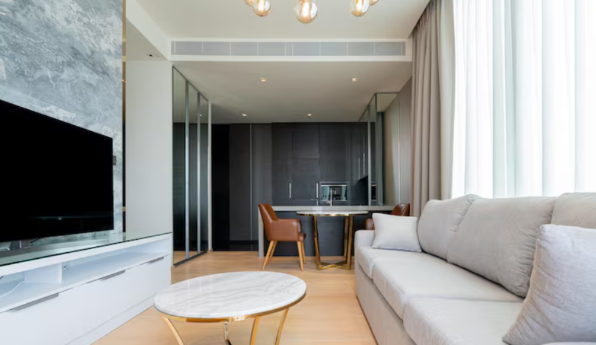
Living in a luxury condominium offers the convenience of urban living while providing an opportunity to enjoy a carefully designed personal space. However, creating an impressive interior involves more than choosing expensive furniture or decorative finishes. A successful design brings together comfort, practicality, and visual appeal, ensuring that every part of the home serves a purpose.
Modern homeowners want interiors that reflect their personalities while supporting their daily routines. Some prefer calm and understated spaces, while others enjoy bold colours, distinctive artwork, and statement furniture. Whatever the preferred style, thoughtful planning helps make a condominium feel spacious, welcoming, and suited to the people who live there. This is what makes luxury condo interior design an important part of creating a home that combines modern convenience with individual character.
Making the Most of Available Space
Space planning is one of the most important stages of condominium interior design. Unlike many landed properties, condos often have fixed floor areas and layouts that require careful consideration. Designers need to understand how residents intend to use each room before deciding where furniture, storage, and other features should go.
An open-plan layout can make a condominium feel larger by connecting the living, dining, and kitchen areas. Removing unnecessary visual barriers allows natural light to travel more freely and creates a stronger connection between different parts of the home. However, open spaces still need a clear sense of organisation. Furniture arrangements, rugs, lighting, and subtle partitions can help define separate areas without making the interior feel divided.
Practical storage is equally important. Built-in cabinets, concealed shelves, and customised wardrobes can reduce clutter while making better use of available space. In smaller bedrooms or work areas, furniture with additional storage can help keep everyday items organised. A well-planned layout allows residents to enjoy an attractive home without sacrificing the convenience they need.
Choosing Materials That Add Lasting Appeal
Materials have a strong influence on the appearance and atmosphere of a luxury condominium. Natural stone, hardwood, porcelain tiles, glass, and metal finishes are often used to introduce texture and visual interest. Their suitability depends on the room, the intended design, and the level of maintenance the homeowner is comfortable with.
Marble and other stone surfaces can create an elegant finish in kitchens, bathrooms, and selected feature areas. Hardwood flooring introduces warmth, while quality porcelain tiles can offer a durable alternative in spaces that experience regular use. Glass can make certain areas feel more open, and metal accents can provide contrast through cabinet handles, lighting fixtures, and decorative details.
The way these materials work together is just as important as their individual quality. Combining too many competing finishes can make a room feel busy. Instead, designers often establish a consistent material palette and introduce variations through selected surfaces and furnishings. This creates a cohesive interior that remains visually interesting without becoming overwhelming.
Using Colour to Establish the Mood
Colour can influence how large, bright, warm, or relaxing a condominium feels. Neutral shades such as beige, cream, white, and soft grey are popular because they provide a flexible foundation for different furniture styles and decorative choices. They can also help smaller spaces feel more open when paired with suitable lighting.
However, a neutral interior does not have to look plain. Deep blue, forest green, muted burgundy, and warm brown can introduce contrast and personality. These colours may appear through accent walls, upholstered furniture, cushions, artwork, or decorative accessories.
The key is to maintain balance. A strong colour can become an attractive focal point when used carefully, but covering every surface with bold shades may make a room feel smaller or visually crowded. Considering the amount of natural light, the size of the room, and the colours of nearby materials can help create a more harmonious result.
Integrating Smart Home Technology
Technology is becoming a regular feature of modern condominium living. Smart home systems allow residents to manage different parts of their environment through mobile applications, voice commands, or central control panels. Lighting, air conditioning, entertainment, and security can often be connected to create a more convenient home experience.
Automated lighting can adjust brightness for different activities, while smart climate controls allow residents to manage indoor temperatures. Integrated entertainment systems can also reduce visible equipment and cables, helping maintain a clean appearance. Smart locks and connected security devices may provide additional control over access to the property.
Good planning is essential when introducing these features. Wiring, electrical outlets, control panels, and equipment storage should be considered during the design stage. This helps prevent technology from disrupting the finished interior. When properly integrated, smart features support the home’s functionality while allowing its design elements to remain the main focus.
Making Furniture Personal and Functional
Furniture has a major role in determining how a condominium looks and feels. In a luxury home, the goal is not simply to fill rooms with expensive pieces but to select furniture that suits the space, supports everyday activities, and complements the overall design.
Custom-made furniture offers greater flexibility because its dimensions, materials, and finishes can be adjusted to suit the property. A dining table can be designed for the available floor area, while a built-in television unit can provide storage without taking up unnecessary room. Custom wardrobes and shelving can also make use of corners or wall sections that standard furniture might not fit properly.
Comfort should remain a priority. Sofas, dining chairs, beds, and other frequently used pieces need to be suitable for everyday use. A well-designed condominium should feel like a home rather than a display space. Choosing furniture with the right proportions helps maintain a comfortable flow while giving each room a clear identity.
Adding Personality Through Art and Decoration
Artwork and decorative objects can give a condominium a more personal atmosphere. A painting, sculpture, photograph, or handmade accessory can become a focal point while reflecting the homeowner’s interests and experiences. These pieces also help prevent an interior from looking too uniform.
The selection of artwork should consider the room’s proportions, colour palette, and existing furniture. A large painting may work well above a sofa, while smaller pieces can be arranged along a hallway or in a private study. Decorative objects can also introduce texture and contrast through materials such as ceramic, wood, glass, and metal.
Rather than displaying too many accessories, homeowners can focus on meaningful pieces that contribute to the overall design. This approach keeps surfaces organised and allows individual items to receive more attention.
Creating the Right Atmosphere with Lighting
Lighting is both a practical requirement and an important design feature. A well-planned lighting arrangement helps residents carry out daily activities while creating different moods throughout the condominium.
General lighting provides overall visibility, while task lighting supports activities such as cooking, reading, or working. Accent lighting can highlight artwork, shelving, textured walls, and architectural details. Combining these types creates flexibility and avoids depending entirely on one overhead fixture.
Statement pendants and chandeliers can introduce character into living and dining areas, while recessed lights offer a more subtle appearance. Wall sconces and bedside lamps can make bedrooms feel more relaxing. Dimmable lighting is also useful because residents can adjust brightness depending on the time of day or the activity taking place.
Extending Living Areas Outdoors
Balconies and terraces can provide valuable additional space in a condominium. Even a modest outdoor area can become a comfortable place to enjoy fresh air, relax, or spend time with guests. With suitable furniture and thoughtful decoration, it can feel like a natural extension of the indoor living area.
Weather-resistant seating, suitable flooring, decorative planters, and outdoor lighting can improve the appearance and usability of these spaces. Plants can introduce greenery and soften the look of hard surfaces, while compact furniture helps preserve room for movement. Consistent colours and materials between indoor and outdoor areas can also create a smoother visual transition.
Sustainable Choices for Modern Condo Living
Sustainability is becoming an important consideration in residential interior design. Homeowners are increasingly interested in materials and products that offer durability while reducing unnecessary environmental impact. Reclaimed timber, responsibly sourced materials, low-emission finishes, and quality furniture designed for long-term use can support this approach.
Energy-efficient appliances and LED lighting can also help manage household electricity consumption. Window treatments may improve indoor comfort by controlling sunlight, while suitable ventilation can support air circulation. These choices show that responsible design can work alongside comfort and visual appeal.
Building a Home That Reflects Modern Living
A well-designed luxury condominium is the result of many connected decisions. Space planning, material selection, colour, furniture, lighting, and technology must work together to create an interior that feels complete. Each element should contribute to the home’s appearance while supporting the needs of its residents.
As condominium living continues to develop, homeowners will keep looking for spaces that offer both convenience and individuality. The most successful interiors will not simply follow changing trends. They will combine lasting design principles with practical features and personal details, creating comfortable homes that remain enjoyable long after the initial design is complete.