
Every builder hands over an inclusions list sooner or later. It may run to many pages, packed with brand names, finishes and technical terms. Most people skim it, nod and move on to the floor plan.
A better approach is to read it the way a detective reads a witness statement: carefully, sceptically and with an eye for what’s missing.
Start With the Vocabulary
An inclusions list sets out what comes with your home at the agreed price. Anything outside it is usually treated as an upgrade or variation, which can add cost.
Watch for words such as “standard”, “allowance”, “provisional sum” and “or equivalent”. Each carries meaning. An allowance, for example, is an estimated amount set aside for an item that hasn’t been finalised. If your final choice costs more, the difference may be passed on to you.
Look for Specifics
Vague descriptions leave room for surprises. “Quality tapware” tells you very little. A brand and model number tells you a great deal more. The same goes for appliances, floor coverings, benchtop thickness, ceiling heights and insulation ratings.
Where an item lacks detail, ask for it in writing. Clear specifications make it easier to compare quotes and to know exactly what will appear on site.
Notice What Isn’t There
The most revealing clues are sometimes absences. Check whether the list covers driveways, paths, fencing, letterboxes, clotheslines, landscaping, window coverings and light fittings throughout. Look for site works such as excavation, retaining and connection to services.
None of these items is unusual to exclude. What matters is knowing where the line sits so your budget reflects the full picture.
Compare the Display With the Document
Display homes typically feature upgraded finishes. Walk through with the inclusions list in hand and mark which items you’re seeing are standard. That simple exercise often reshapes expectations and highlights where you may want to spend more or less.
Double the Detail on a Duplex
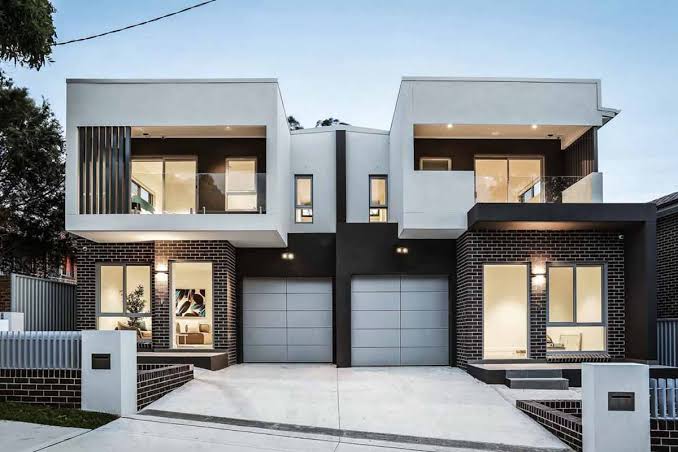
When you build a duplex, every item effectively appears twice. Two kitchens, two sets of bathrooms, two hot water systems, two driveways. Even the top duplex builders Sydney homeowners shortlist will present their inclusions differently, so comparing line by line is the only reliable way to judge value.
Check whether both dwellings receive the same specification, and confirm what is shared, such as fencing along the common boundary or stormwater infrastructure.
Questions That Close the Case
A few direct questions help tie everything together. Which items are fixed and which are allowances? How are variations priced? Are there any site costs not yet confirmed? When must selections be finalised?
Keep the answers with your contract documents. If something feels unclear, ask again until it isn’t. Reputable builders expect these questions and should answer them openly.
Turning Evidence Into Confidence
Reading closely takes an hour or two. That small investment can prevent confusion during construction and help you compare builders on genuine terms rather than headline impressions.
Treat each line as a piece of evidence. By the time you’ve finished, you’ll understand far more about the home you’re buying, and you’ll walk into selection appointments knowing exactly where you stand.