
Introduction
Efficient material handling is essential for businesses that transport heavy products, manage warehouse inventory, organize manufacturing operations, and coordinate shipping activities. Companies rely on dependable lifting equipment to move materials safely, maintain workflow consistency, and complete daily responsibilities without unnecessary delays. However, purchasing industrial machinery can require a substantial investment, particularly for businesses experiencing seasonal demand, temporary projects, or unexpected equipment breakdowns. In these situations, forklift rentals offer a practical way to access suitable machinery without committing to permanent ownership. Renting allows businesses to select equipment according to their workload, lifting requirements, operating environment, and project duration. It also provides flexibility when existing machines cannot meet increased demand or require maintenance. By choosing the right rental equipment and planning its use carefully, businesses can improve operational efficiency, manage expenses, and maintain productivity while responding to changing material-handling requirements.
Understanding Rental Equipment
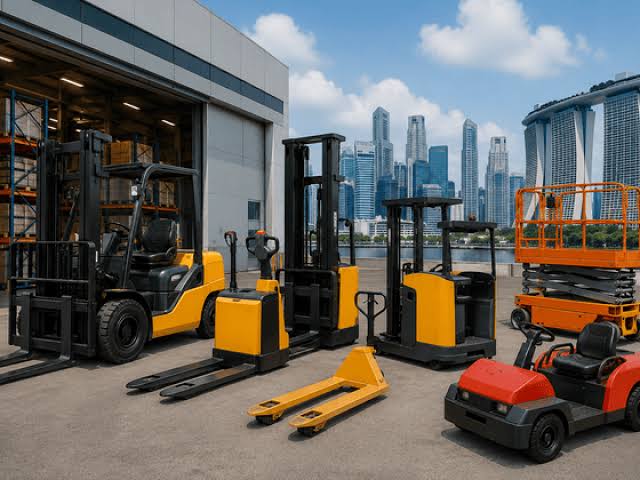
Modern material-handling operations require different types of lifting equipment because businesses work with various loads, storage systems, and operating conditions. Forklift rentals can provide access to machines designed for transporting pallets, loading delivery vehicles, handling industrial materials, and moving products through warehouse environments. Depending on availability and application requirements, businesses may choose electric forklifts, internal combustion models, narrow-aisle equipment, reach trucks, or specialized lifting machines. Each equipment category offers different capabilities, making it important to evaluate the work before selecting a rental. Factors such as load weight, lifting height, aisle width, floor conditions, and operating hours can influence the most suitable choice. Companies should also consider the dimensions of the materials being handled and the amount of maneuvering space available. Understanding these requirements helps businesses avoid selecting machinery that lacks the necessary capacity or cannot operate effectively within the intended workspace.
Benefits of Renting Forklifts
One of the primary advantages of forklift rentals is the ability to obtain equipment without making the substantial upfront investment associated with purchasing a machine. Businesses can direct their available capital toward inventory, staffing, facility improvements, and other essential operational priorities. Renting may also reduce concerns about long-term equipment ownership, particularly when machinery is required only for a limited period. Companies handling seasonal inventory increases or temporary contracts can arrange equipment for the duration of their specific needs instead of maintaining additional machines throughout the year. This flexibility can help reduce unnecessary storage requirements and limit the number of underused assets in a company’s fleet. Rental arrangements may also provide access to different equipment configurations when operational requirements change. By evaluating rental terms, maintenance responsibilities, and equipment specifications in advance, businesses can make informed decisions that support their budgets while maintaining access to the machinery needed for efficient operations.
Selecting the Right Forklift
Choosing appropriate equipment is essential for making forklift rentals effective and economical. Businesses should begin by determining the maximum weight they need to lift and identifying the required lifting height for their operations. The equipment’s rated capacity must be sufficient for the intended load, including any relevant attachments that may affect its lifting capability. Companies should also evaluate the size of their aisles, doorway clearances, turning areas, and storage configurations because these factors influence how easily a machine can move through the facility. The working environment matters as well, since indoor warehouses and outdoor handling areas may require different tire types, power sources, and equipment designs. Before confirming a rental, managers should communicate their requirements to the supplier and verify the machine’s specifications. Careful selection helps prevent operational difficulties, improves equipment utilization, and ensures that the rented forklift is suitable for the work it is expected to perform.
Electric and Internal Combustion Models
Businesses can choose between different power systems when arranging forklift rentals, depending on their equipment requirements and operating conditions. Electric forklifts are commonly considered for indoor environments where reduced operating noise and the absence of exhaust emissions at the point of use are important considerations. Their suitability depends on factors such as battery capacity, charging arrangements, operating hours, and the demands of the application. Internal combustion forklifts may be appropriate for certain outdoor or demanding industrial tasks, depending on their fuel type, specifications, and operating environment. These machines can offer different performance characteristics, but businesses must consider ventilation requirements, fuel management, and applicable workplace safety procedures. Neither power source is automatically the best choice for every application. Managers should assess how long the equipment will operate each day, the type of loads being moved, and the conditions in which the machine will be used. Comparing these factors helps businesses choose a rental solution that aligns with productivity goals and operational needs.
Warehouse and Distribution Operations
Warehouses and distribution facilities depend on organized material movement to process incoming shipments, maintain inventory accuracy, and prepare products for delivery. Forklift rentals can help these businesses respond to changes in order volume, temporary staffing increases, or additional storage requirements without permanently expanding their equipment fleet. Standard forklifts may support pallet transportation and loading activities, while reach trucks and narrow-aisle equipment can help manage specific storage configurations. The appropriate machine depends on rack height, aisle dimensions, load characteristics, and available maneuvering space. Businesses should coordinate rental equipment with warehouse traffic patterns to reduce congestion and maintain clear travel routes. Operators must also understand how the equipment interacts with pedestrians, loading areas, storage racks, and other machinery. By selecting suitable equipment and planning its use around daily warehouse activities, managers can support more consistent inventory movement and reduce delays during busy operating periods.
Supporting Manufacturing Productivity
Manufacturing facilities often move raw materials, work-in-progress items, finished products, and production supplies between different areas of a facility. Forklift rentals can provide additional lifting capacity when production schedules increase or existing equipment becomes unavailable because of maintenance requirements. Renting may also help manufacturers evaluate equipment needs before making a long-term purchasing decision. When selecting a machine, production managers should consider load dimensions, lifting requirements, travel distances, floor conditions, and the frequency of material movement. The forklift must be compatible with the facility’s layout and capable of handling the intended workload within its rated limits. Coordination between production supervisors, warehouse teams, and equipment operators can further improve material flow and prevent unnecessary interruptions. Businesses should also plan for charging or refueling requirements so that the equipment remains available throughout the expected operating schedule. A carefully selected rental can help manufacturers maintain workflow continuity and respond more effectively to changing production demands.
Managing Seasonal Demand
Many businesses experience predictable changes in workload throughout the year, particularly during busy shipping periods, seasonal production cycles, and inventory preparation activities. Forklift rentals offer a flexible way to manage these fluctuations without purchasing additional machinery that may remain unused during quieter periods. Companies can arrange temporary equipment when order volumes increase, additional shipments arrive, or warehouse operations require more lifting capacity. This approach can help businesses maintain service levels while controlling the financial commitments associated with expanding a permanent fleet. Effective planning remains essential because equipment availability, delivery arrangements, operator preparation, and rental duration can influence how successfully the additional machinery supports operations. Managers should review expected workload increases and estimate the number and type of machines required before peak activity begins. Communicating these requirements to a rental provider can help businesses prepare for busy periods and reduce the likelihood of equipment shortages when demand is highest.
Short-Term Rental Flexibility
Short-term equipment requirements can arise unexpectedly when a forklift needs repair, a temporary project begins, or a business receives a shipment that requires additional handling capacity. Forklift rentals can help address these situations by providing access to machinery for a defined period rather than requiring an immediate purchase. Depending on supplier offerings and equipment availability, businesses may be able to arrange daily, weekly, or monthly rental terms. This flexibility can be particularly valuable when the duration of a project is uncertain or when existing equipment cannot be used safely. Before arranging a short-term rental, businesses should identify the task, required lifting capacity, operating conditions, and expected equipment usage. They should also confirm delivery arrangements, rental charges, and procedures for extending or ending the agreement. Clear planning allows managers to respond to immediate operational needs while avoiding unnecessary costs and maintaining appropriate equipment availability.
Long-Term Rental Advantages
Some businesses require dependable lifting equipment for extended periods but prefer not to purchase and maintain every machine in their operating fleet. Long-term forklift rentals can provide an alternative by allowing companies to arrange equipment for continuing operational requirements under an agreed rental structure. Depending on the provider and contract, these arrangements may offer predictable payments, maintenance support, and opportunities to adjust equipment as business needs change. This can be useful for companies managing warehouse operations, manufacturing facilities, and distribution activities that require consistent material movement. Before choosing a long-term agreement, managers should review the contract duration, service responsibilities, replacement arrangements, equipment upgrade options, and conditions for returning machinery. They should also compare the overall cost of renting with the financial and operational responsibilities associated with purchasing. Evaluating these factors helps businesses determine whether a longer rental arrangement supports their equipment strategy and budget objectives.
Improving Workplace Safety
Safety must remain a priority whenever forklift rentals are introduced into an operating environment. A rented machine should match the intended application, meet the required specifications, and receive appropriate inspections before being placed into service. Operators should be trained and authorized to use the particular equipment, with a clear understanding of its controls, capacity limits, and operating instructions. Daily inspections should identify visible damage, leaking fluids, tire problems, malfunctioning brakes, and other conditions that could affect safe operation. Businesses should also maintain suitable traffic routes, separate pedestrian areas where practical, and ensure that loads are handled within the manufacturer’s rated capacity. Overloading, sharp turns at inappropriate speeds, and operating on unsuitable surfaces can create significant hazards. Managers should establish clear procedures for reporting equipment defects and removing unsafe machines from service. Combining proper equipment selection with operator training and routine inspections helps protect workers, products, and surrounding property.
Maintenance and Equipment Reliability
Equipment reliability plays an important role in the success of forklift rentals because unexpected mechanical problems can interrupt operations and delay important tasks. Before a rental begins, businesses should understand the condition of the machine and clarify which party is responsible for inspections, routine maintenance, and reporting mechanical concerns. Rental providers may offer maintenance support according to the terms of the agreement, making it important to review these details in advance. Operators should monitor the forklift during use and report unusual noises, warning indicators, fluid leaks, or changes in performance. Equipment showing signs of a potentially serious fault should not continue operating until it has been evaluated appropriately. Businesses should avoid attempting unauthorized repairs and instead follow the supplier’s established reporting procedures. Clear communication helps resolve equipment concerns more efficiently and reduces confusion about service responsibilities. Selecting machinery from an experienced provider and following the agreed maintenance procedures can support more dependable operations throughout the rental period.
Controlling Rental Expenses
Managing equipment costs requires businesses to consider the full rental arrangement rather than focusing exclusively on the advertised rate. Forklift rentals may involve charges associated with the rental duration, transportation, equipment type, and other terms specified by the provider. Businesses should obtain clear pricing information and confirm which services are included before approving an agreement. Selecting equipment that exceeds the actual requirements may create unnecessary expenses, while choosing a machine with insufficient capacity can lead to operational problems and additional rental costs. Managers should also estimate how long the equipment will be needed and determine whether a daily, weekly, monthly, or longer arrangement offers the most suitable value. Delivery timing, equipment availability, and the procedure for requesting an extension should also be considered. Careful cost planning helps companies avoid misunderstandings, manage budgets more effectively, and obtain equipment that provides appropriate value for their operational needs.
Choosing a Dependable Rental Provider
A reliable equipment supplier can make the rental process easier by helping businesses identify appropriate machinery and understand the available rental arrangements. When evaluating forklift rentals, companies should consider the supplier’s equipment selection, knowledge of material-handling applications, maintenance support, and ability to coordinate delivery. Clear communication is especially important when a business has specific capacity requirements, limited access space, or a demanding project schedule. Tri-Lift Industries offers material-handling equipment rental solutions, including forklifts and specialized equipment for different operating requirements. Its rental services include short-term options for temporary projects and longer-term arrangements for businesses that need equipment over an extended period. Customers can explore the available options through the company’s official rental page at forklift rentals.Discussing load requirements, working conditions, rental duration, and equipment availability with the supplier can help businesses make better-informed decisions and select machinery suited to their needs.
Preparing for Equipment Delivery
Proper preparation helps businesses make the most of their forklift rentals from the moment the equipment arrives. Before delivery, managers should confirm that the work area can accommodate the selected machine and that the access route is suitable for unloading and positioning the equipment. The intended operating area should have appropriate ground or floor conditions, sufficient clearance, and clearly defined travel routes. Businesses should also identify the employees who will operate the forklift and ensure that the necessary training and authorization requirements are met. Any attachments or special equipment requirements should be discussed with the supplier before the rental is finalized. Once the machine arrives, the responsible personnel should review its condition, verify the relevant specifications, and complete the required pre-use inspections. These preparation steps can reduce avoidable delays and help the equipment become productive more quickly. A structured delivery process also allows businesses to identify concerns early and resolve them before normal operations begin.
Conclusion
Reliable lifting equipment is essential for businesses that depend on efficient material movement, organized storage, and consistent operational performance. Forklift rentals provide a flexible option for companies managing temporary projects, seasonal demand, equipment breakdowns, and long-term material-handling requirements. Selecting the correct machine, understanding rental terms, planning delivery, and maintaining workplace safety are important steps toward achieving the best results. Businesses should also evaluate operating conditions, equipment capacity, maintenance responsibilities, and overall rental expenses before making a decision. Working with an experienced provider such as Tri-Lift Industries can help organizations explore equipment options that match their operational needs. Through careful planning and responsible equipment management, businesses can improve productivity, control equipment-related costs, and maintain dependable workflows without committing to unnecessary machinery purchases.