
Understanding the Importance of Clean Air Ducts
The air distribution system plays an important role in maintaining indoor comfort because it carries heated and cooled air throughout a property. Over time, dust, dirt, pet hair, and other airborne particles can collect inside ductwork, particularly when filters are neglected or the system operates frequently. Although some dust accumulation is normal, excessive buildup can restrict airflow, contribute to uneven temperatures, and make it more difficult for heating and cooling equipment to distribute conditioned air effectively. Professional air duct cleaning helps remove accumulated debris from accessible duct surfaces and supports better airflow throughout the ventilation system. Clean ductwork also allows homeowners to pay closer attention to other factors affecting indoor air quality, including filtration, humidity, ventilation, and equipment maintenance. Since duct systems are often hidden behind walls, ceilings, and floors, many property owners do not realize how much debris may accumulate inside them over time. Understanding the condition of the ventilation system makes it easier to recognize when professional attention may be beneficial. Regular inspections and appropriate maintenance can help support a cleaner, more comfortable indoor environment while allowing HVAC equipment to operate under suitable conditions.
Common Causes of Duct Contamination
Air ducts can collect different types of debris depending on the property’s surroundings, household activities, HVAC maintenance habits, and the condition of the ventilation system. Ordinary household dust, pet hair, fabric fibers, and small particles can gradually enter return vents and settle inside ductwork. Renovation projects may introduce additional construction dust, drywall particles, and other materials that travel through the air before entering the ventilation system. Homes with pets or frequent indoor activity may also experience faster accumulation of certain airborne particles. Moisture problems can create another concern because damp areas inside or around ductwork may encourage microbial growth when suitable conditions are present. Professional air duct cleaning can help address accumulated dust and debris when an inspection indicates that cleaning is necessary. However, not every ventilation system requires the same service frequency, and visible dust around a vent does not automatically mean that the entire duct system needs cleaning. Understanding the source and extent of contamination allows property owners to make informed decisions instead of paying for unnecessary services. Proper filtration, moisture control, and routine HVAC maintenance also help reduce future debris accumulation.
Signs That Ductwork Needs Attention
Recognizing possible signs of duct contamination can help homeowners determine when a professional inspection may be appropriate. Excessive dust collecting around supply vents, visible debris inside accessible duct openings, and unusual odors coming from the ventilation system may indicate that certain areas require attention. Homeowners may also notice inconsistent airflow between rooms, especially when vents or duct passages contain obstructions. However, uneven temperatures can also result from duct leaks, insulation problems, incorrect system sizing, or mechanical equipment issues, so the symptoms should be evaluated carefully. Professional air duct cleaning can help determine whether accumulated debris is contributing to the problem and whether cleaning is an appropriate solution. A qualified technician should inspect accessible portions of the system and explain what has been found before recommending work. If moisture, mold-like growth, or persistent odors are present, identifying and correcting the underlying source is essential. Cleaning alone cannot solve an ongoing moisture problem or repair damaged ductwork. A thorough evaluation helps homeowners understand which improvements are necessary to support cleaner air circulation and dependable HVAC performance.
Professional Air Duct Cleaning Services
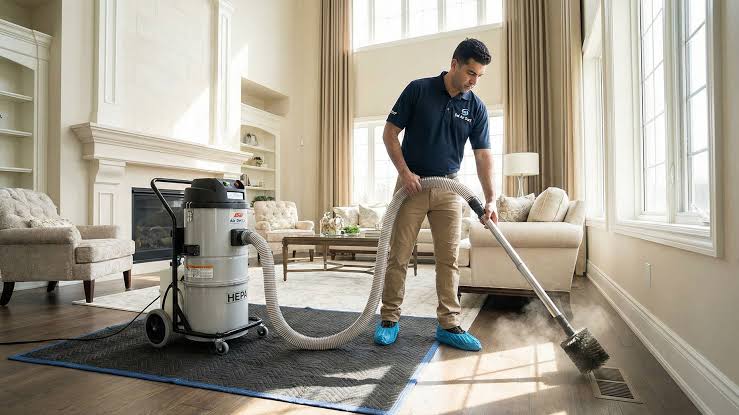
Professional duct cleaning involves more than removing dust from visible vent covers. A proper service begins with an inspection of the ventilation system to identify the type of ductwork, its condition, and the areas containing noticeable debris. Technicians may examine supply ducts, return ducts, registers, grilles, and other accessible components before selecting suitable cleaning equipment. Professional air duct cleaning generally uses specialized vacuum collection systems and appropriate agitation tools to loosen and capture accumulated particles while limiting their release into indoor spaces. The cleaning process should be performed according to the condition and construction of the ductwork because flexible ducts, metal ducts, and other materials may require different handling methods. Responsible service providers explain the work being performed and avoid making unsupported claims about what cleaning can accomplish. Homeowners should also receive information about any damaged components, moisture concerns, or airflow problems discovered during the inspection. A careful approach helps protect the ventilation system while addressing the debris that prompted the service request. Choosing experienced professionals is important because improper cleaning methods can damage duct liners, loosen connections, or create additional maintenance problems.
Improving Indoor Air Quality
Indoor air quality depends on several connected factors, including ventilation, filtration, humidity, household activities, and the condition of HVAC equipment. Dust and other particles can enter indoor spaces through open doors, windows, clothing, furniture, pets, and normal daily activities. The ventilation system may then circulate some of these particles through different rooms, especially when filters are dirty or airflow pathways are not properly maintained. Professional air duct cleaning can remove accumulated debris from duct surfaces when contamination is present, but it should be considered one part of a broader indoor air quality strategy. Replacing filters regularly, controlling indoor moisture, maintaining suitable ventilation, and keeping living areas clean are also important steps. Homeowners should understand that duct cleaning does not eliminate every airborne contaminant or guarantee relief from allergies and respiratory symptoms. Different indoor air quality concerns may require separate solutions, such as improved filtration, moisture correction, or source control. Taking a comprehensive approach helps property owners make practical improvements instead of expecting one maintenance service to address every indoor environmental concern.
Supporting HVAC System Efficiency
Heating and cooling systems depend on suitable airflow to distribute conditioned air and maintain comfortable indoor temperatures. When ductwork contains significant debris or has physical obstructions, air movement may become less effective, potentially contributing to uneven heating or cooling. Leaks and poorly sealed connections can also reduce system performance by allowing conditioned air to escape before reaching occupied rooms. Professional air duct cleaning may help address debris-related restrictions, although cleaning alone will not correct duct leaks, insulation problems, or equipment malfunctions. During an inspection, technicians can identify visible concerns that may require separate attention, including damaged connections, crushed flexible ducts, and blocked passages. Homeowners should also maintain clean filters because a clogged filter can restrict airflow before air even enters the duct system. Properly maintained ductwork allows HVAC equipment to distribute air more effectively and supports consistent indoor comfort. When combined with suitable equipment maintenance and properly sealed ducts, appropriate cleaning can contribute to a healthier ventilation system and help prevent avoidable airflow problems.
Removing Dust and Household Debris
Household dust is made up of many different particles, including fabric fibers, soil, skin flakes, pet hair, and materials brought indoors through everyday activities. Some of these particles settle on furniture and floors, while others enter return vents and may collect inside the ventilation system. When dust accumulation becomes excessive, it can create visible debris around registers and contribute to an unclean appearance near air outlets. Professional air duct cleaning helps remove collected particles from accessible duct surfaces using equipment designed to capture loosened debris. The process may also include cleaning certain registers and grilles when they are part of the agreed service. Homeowners can reduce future accumulation by vacuuming regularly, using suitable HVAC filters, and keeping return vents clear of furniture and household objects. Pet owners may benefit from paying additional attention to filter conditions because loose hair can accumulate more quickly in indoor spaces. Regular household cleaning and responsible HVAC maintenance work together to reduce the amount of debris entering the ventilation system. These practical habits help maintain cleaner surroundings and support more dependable air circulation.
Cleaning Supply and Return Ducts
Supply and return ducts perform different functions, but both are important parts of the overall ventilation system. Supply ducts carry conditioned air from the HVAC equipment into individual rooms, while return ducts transport indoor air back toward the equipment for filtering and conditioning. Because air moves through both sections during normal operation, debris may accumulate in different areas depending on system design, filtration, and household conditions. Professional air duct cleaning should consider the complete accessible air distribution system rather than focusing only on the registers that are easiest to see. Cleaning technicians may inspect supply passages, return pathways, grilles, and other components to determine where debris has collected. It is also important to identify disconnected sections, damaged duct liners, or openings that allow dust to enter from surrounding spaces. Cleaning a single visible area may not address contamination elsewhere in the system. A careful inspection helps establish the appropriate scope of work and allows homeowners to understand which parts of their ventilation system need attention. Maintaining both supply and return pathways supports balanced airflow and more consistent indoor comfort.
Addressing Moisture and Mold Concerns
Moisture inside or around ductwork requires careful attention because damp conditions may encourage microbial growth on suitable surfaces. Condensation, plumbing leaks, poor insulation, and high indoor humidity can contribute to unwanted moisture accumulation. Homeowners may notice musty odors, visible discoloration, water stains, or damp insulation near parts of the ventilation system. Professional air duct cleaning may be appropriate when confirmed contamination is present, but cleaning should not be treated as a substitute for correcting the moisture source. If dampness continues after the ductwork has been cleaned, the underlying problem may return. Technicians should evaluate the affected area and recommend suitable corrective measures, which may include repairing leaks, improving insulation, or addressing humidity concerns. When mold-like growth is suspected, proper identification and safe remediation procedures may be necessary. Homeowners should be cautious about providers who promise that ordinary duct cleaning will resolve every mold or indoor air quality issue. A responsible inspection focuses on the actual condition of the system and distinguishes between debris removal, moisture correction, and specialized remediation requirements.
Maintaining Air Filters and Ventilation Components
Air filters help capture airborne particles before they enter important HVAC components and circulate through the ventilation system. However, filters become less effective when they are clogged, damaged, or incorrectly installed. A restricted filter can reduce airflow and place additional strain on the blower motor, potentially affecting heating and cooling performance. Professional air duct cleaning can address accumulated debris inside ductwork, but maintaining clean filters is essential for reducing future contamination. Homeowners should check their filters regularly and replace them according to manufacturer recommendations and household conditions. Properties with pets, renovation activity, or higher dust levels may require more frequent attention. It is also important to use a filter that matches the equipment’s specifications because filters with unsuitable resistance can interfere with proper airflow. Other ventilation components, including return grilles and supply registers, should remain clean and unobstructed. Combining appropriate filtration with regular HVAC maintenance helps reduce the amount of dust entering the duct system and supports more consistent air distribution throughout the property.
Preparing Ductwork After Renovations
Home improvement projects can introduce significant amounts of dust and debris into indoor environments. Cutting, sanding, drilling, drywall installation, flooring replacement, and other renovation activities can release particles that travel through open spaces and enter ventilation openings. If HVAC equipment operates during construction without suitable protection, some of this material may collect inside filters, registers, and ductwork. Professional air duct cleaning may be worth considering after substantial renovation work, particularly when construction debris has entered the ventilation system. Before arranging service, homeowners should discuss the type of project completed and any visible contamination with a qualified provider. Cleaning recommendations should be based on an inspection rather than an assumption that every renovation requires a complete duct cleaning. Homeowners should also replace construction-exposed filters, clean accessible vents, and make sure the HVAC system has not sustained damage during the project. Covering supply and return openings during dusty work, when appropriate and safe for the equipment, can help reduce debris entering the system. Taking these precautions protects ventilation components and makes post-renovation cleanup more effective.
Eliminating Unpleasant Ventilation Odors
Unusual odors coming from air vents can make indoor spaces uncomfortable and may indicate a problem that requires further investigation. Musty smells may be associated with moisture, while dusty odors can occur when accumulated particles are disturbed during equipment operation. Other smells may originate from dirty filters, household sources, electrical problems, or issues involving HVAC components. Professional air duct cleaning can help remove odor-producing debris when the source is confirmed to be inside the ductwork. However, persistent odors should not automatically be attributed to dirty ducts because cleaning may not resolve a problem originating elsewhere. A qualified technician should investigate the source and determine whether the issue involves moisture, contaminated insulation, drainage, electrical components, or another part of the property. Burning odors, gas smells, or other potentially hazardous conditions require immediate attention rather than an ordinary cleaning appointment. Identifying the actual cause is essential for selecting an effective solution. Proper ventilation, filter replacement, moisture control, and equipment maintenance can also help reduce recurring odor concerns and support a more pleasant indoor environment.
Protecting Ductwork During Maintenance
Ductwork is often installed in concealed areas, making it easy for homeowners to overlook its condition until airflow or comfort problems become noticeable. Metal ducts, flexible ducts, and lined duct systems all require appropriate handling to avoid unnecessary damage. Excessive pressure, unsuitable brushes, and improper cleaning techniques can tear flexible materials, loosen connections, or damage internal insulation. Professional air duct cleaning should therefore be performed using tools and methods suitable for the specific duct construction. Technicians should take care to contain collected debris and protect surrounding furnishings and indoor surfaces during the service. An inspection can also reveal crushed duct sections, disconnected joints, or deteriorated insulation that cleaning alone cannot correct. Homeowners should ask providers to explain their cleaning process and identify any repairs that may be needed. Responsible service focuses on improving the condition of the ventilation system without creating new problems. Proper care during cleaning helps preserve ductwork, supports effective airflow, and protects the long-term reliability of the HVAC system.
How Often Should Air Ducts Be Cleaned?
There is no single cleaning schedule that is appropriate for every property because duct contamination depends on several factors. Household size, pets, renovation activity, smoking, moisture problems, filter maintenance, and the surrounding environment can all influence how quickly debris accumulates. Some ventilation systems may remain in good condition for extended periods, while others may require professional attention sooner because of unusual contamination or specific maintenance concerns. Professional air duct cleaning should generally be considered when an inspection identifies substantial debris, visible contamination, or another condition that makes cleaning appropriate. Homeowners should avoid automatically scheduling frequent services without evidence that the ductwork requires attention. Regularly replacing filters and maintaining HVAC equipment can help reduce unnecessary accumulation between inspections. Property owners can also monitor visible vent areas and arrange an evaluation when unusual conditions develop. A qualified provider should explain the findings and recommend a reasonable service schedule based on the actual condition of the system. This approach helps homeowners avoid unnecessary expenses while ensuring that significant ventilation concerns receive suitable attention.
Choosing a Reliable Cleaning Provider
Selecting a qualified service provider is important because the quality of duct cleaning depends on proper inspection, suitable equipment, and responsible working methods. Homeowners should look for professionals who explain their process clearly, assess the condition of the ductwork, and provide recommendations based on visible findings. A reliable provider should be willing to discuss which components are included in the service, how debris will be contained, and whether any damaged sections require separate repairs. Professional air duct cleaning should not rely on exaggerated promises about curing health conditions, eliminating every contaminant, or guaranteeing major energy savings. Instead, the service should focus on addressing identifiable debris and maintaining the condition of the ventilation system. Homeowners can also ask about experience with different duct materials, cleaning equipment, and procedures for protecting indoor surfaces. Clear communication helps prevent misunderstandings about the scope and cost of the work. Choosing experienced professionals gives property owners greater confidence that the ventilation system will be handled carefully and that any additional concerns will be explained before further work is recommended.
Conclusion
Clean and properly maintained ductwork supports effective air circulation and contributes to a more comfortable indoor environment. Dust, pet hair, construction debris, and other particles can accumulate inside ventilation systems over time, particularly when filtration and HVAC maintenance are neglected. Professional air duct cleaning helps remove accumulated debris when inspection shows that cleaning is necessary, while also providing an opportunity to identify visible ductwork concerns. Homeowners should remember that clean ducts are only one part of maintaining indoor air quality. Regular filter replacement, moisture control, suitable ventilation, and professional equipment maintenance are equally important for supporting reliable HVAC performance. Addressing damaged ducts, persistent odors, and moisture problems at their source can also help prevent recurring concerns. By choosing qualified professionals and maintaining sensible cleaning habits, property owners can protect their ventilation systems and support cleaner, more consistent airflow throughout their homes.