

Creating a comfortable and attractive home involves more than choosing furniture, paint colours, and decorative accessories. The fabrics used throughout a space also have a major influence on its appearance and atmosphere. Curtains, cushions, upholstery, and other soft furnishings introduce texture, colour, and warmth, helping different elements work together.
Custom fabrics offer even greater flexibility because they allow homeowners to choose materials and designs that suit their preferences and practical needs. Through Aratamete bespoke soft furnishings, homeowners can explore ways to create interiors that reflect individual styles while making better use of the available space. With thoughtful fabric choices and skilled craftsmanship, even a simple room can become more inviting and distinctive.
How Soft Furnishings Shape an Interior
Soft furnishings are an important part of interior design because they add visual interest while improving everyday comfort. Common examples include curtains, blinds, upholstered furniture, cushions, throws, and bedding. Although these items may appear to be finishing touches, they can strongly influence how a room looks and feels.
Fabric choices help establish the character of an interior. Velvet, for example, can introduce a rich texture that works well in traditional or contemporary settings. Linen offers a lighter, more relaxed appearance, while cotton provides versatility for everyday use. Combining different materials can also create contrast without making a room feel overcrowded.
Beyond appearance, soft furnishings serve practical purposes. Curtains can help control natural light and provide privacy, while upholstered furniture makes seating areas more comfortable. Rugs and heavier fabrics may also help reduce sound reflections, particularly in rooms with hard floors and large windows. These details contribute to an environment that feels complete and suitable for daily living.
Why Custom Fabrics Make a Difference
Ready-made furnishings are convenient, but they may not always meet the specific requirements of a home. Standard curtain sizes might not suit unusually tall windows, and mass-produced cushion covers may not match a particular colour scheme or furniture design. Customisation provides greater control over these details.
With bespoke soft furnishings, homeowners can select the fabric, colour, pattern, measurements, and finishing touches. This makes it easier to coordinate different elements throughout a property. A homeowner might choose a subtle pattern for curtains, a complementary colour for cushions, and a durable material for frequently used seating.
Custom designs are also useful for homes with unusual layouts or architectural features. Made-to-measure curtains can accommodate wide windows, angled spaces, or floor-to-ceiling openings. Upholstery can be created to fit furniture with distinctive shapes, allowing existing pieces to remain part of the interior rather than being replaced simply because standard covers do not fit.
The process usually involves communication between the homeowner and the design or production team. By discussing preferences, measurements, and intended use, both parties can work towards a result that balances personal style with practical requirements.
Choosing Fabrics That Support Sustainable Living
Sustainability has become an important consideration in home improvement and interior design. Many homeowners now look beyond colour and appearance when selecting materials, paying closer attention to how fabrics are produced, how long they last, and how they can be maintained.
Natural materials such as linen, organic cotton, hemp, and wool are popular options for different types of soft furnishings. Each has its own characteristics, including texture, durability, and care requirements. Linen, for instance, has a relaxed appearance, while wool can provide warmth and a comfortable feel.
However, choosing a natural fabric does not automatically make a product environmentally friendly. Production methods, transportation, chemical treatments, and expected lifespan also matter. Homeowners should consider these factors when comparing materials and ask suppliers about sourcing and manufacturing practices.
Durability is another important part of sustainable decorating. Fabrics that remain attractive and functional for many years may reduce the need for frequent replacements. Choosing suitable materials for each area of the home can help extend their useful life. Supporting skilled local makers and responsible production methods may also contribute to preserving traditional textile skills.
Making Modern Living Spaces More Functional
Modern homes often combine several activities within the same area. An open-plan layout, for example, may include a kitchen, dining space, and living room without full walls separating them. While this arrangement can make a home feel larger, it can also create challenges involving noise, privacy, and organisation.
Soft furnishings can help address some of these concerns. Curtains may separate a work area from the main living space when privacy is needed, while rugs can visually distinguish a seating area from a dining section. Different fabric colours and textures can create subtle boundaries without interrupting the overall design.
Fabrics can also improve comfort in rooms used for multiple purposes. Heavier curtains may reduce incoming sunlight and provide additional insulation, while suitable upholstery can make furniture more comfortable for extended use. In home offices, fabric elements such as rugs and curtains may help soften sound and reduce the echo often associated with rooms containing hard surfaces.
These details make soft furnishings valuable in homes where flexibility is essential. A room can feel suitable for working during the day and become a comfortable place to relax in the evening through relatively simple changes.
The Personal Meaning Behind Textile Choices
Fabrics can have an emotional connection that goes beyond their practical purpose. Certain colours, patterns, and textures may remind people of familiar places, family traditions, or meaningful experiences. This makes textile selection an opportunity to introduce personal details into a home.
A cushion made from a fabric collected during a trip, for example, can become a conversation piece. A particular pattern may reflect a family’s cultural background, while a carefully selected colour combination can create an atmosphere that feels familiar and comforting.
Bespoke furnishings make it easier to include these personal touches because the design process allows greater freedom. Instead of choosing only from available products, homeowners can work with designers and craftspeople to create pieces that reflect their preferences.
These furnishings can become part of the home’s identity. Their value comes not only from appearance or material quality but also from the memories and meaning associated with them.
The Value of Professional Fabric Advice
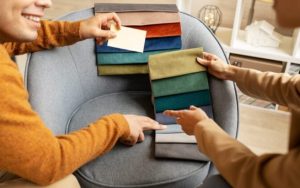
Selecting suitable fabrics can be challenging, especially when considering the many materials, finishes, patterns, and performance options available. A fabric that looks attractive in a showroom may behave differently when exposed to sunlight, regular use, or frequent cleaning.
Professional guidance can help homeowners make more informed decisions. Interior specialists and textile professionals can explain how different materials perform and identify options that suit specific rooms. For example, a family living room may require durable upholstery that can handle regular use, while bedroom curtains may need to provide privacy and help control outside light.
Experts can also assist with colour coordination and measurements. They can recommend ways to combine patterns without overwhelming the room and suggest finishes that complement existing furniture. Their experience may reveal practical solutions that homeowners have not previously considered.
Working with professionals is particularly useful for larger projects involving several rooms. A consistent approach to fabric selection can help create a connected design throughout the property while allowing each space to retain its own character.
How Technology Is Changing Custom Soft Furnishings
Technology is creating new possibilities for the design and use of fabrics in modern homes. Digital design tools allow homeowners and designers to preview patterns, compare colours, and explore different combinations before production begins. This can make the customisation process easier and reduce uncertainty about the final result.
Smart home technology is also influencing window treatments and other fabric-based features. Motorised curtains and blinds, for example, can be controlled through remote systems or integrated with compatible home automation platforms. Depending on the setup, they may operate according to schedules or respond to changing light conditions.
Developments in textile production are introducing materials designed for particular needs, including improved stain resistance, easier maintenance, and better performance in demanding environments. These options give homeowners more ways to combine appearance with convenience.
Technology does not replace good design or craftsmanship. Instead, it provides additional tools for creating furnishings that suit contemporary lifestyles.
Creating a Home That Reflects Your Style
Custom fabrics bring together design, comfort, and practical function. From made-to-measure curtains to carefully selected upholstery, soft furnishings can influence the atmosphere of a home while supporting the way people use each room.
The best results come from considering more than appearance alone. Material quality, durability, maintenance, sustainability, and personal preferences all play a role in selecting suitable furnishings. With thoughtful planning and professional guidance, homeowners can create interiors that feel cohesive without losing their individuality.
Ultimately, bespoke soft furnishings offer a way to make a living space more personal and comfortable. Through carefully chosen fabrics and considered details, a home can become a reflection of the people who live in it.