
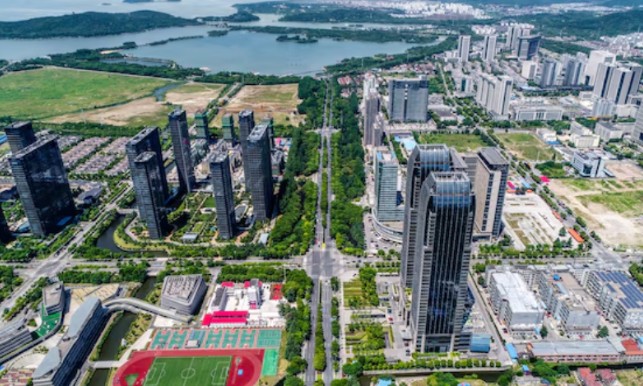
As cities continue to grow, real estate development plays an important role in shaping how people live, work, and interact with their surroundings. Modern developments are no longer judged solely by their appearance or the number of buildings they provide. Increasingly, attention is given to sustainability, accessibility, technology, and the overall experience of residents and businesses.
Brand New Land real estate development reflects this changing approach by focusing on the relationship between thoughtful design and modern urban needs. Property projects can contribute more than new buildings when they consider environmental impact, community facilities, and long-term usability. By combining architectural planning with practical solutions, developers can help create neighbourhoods that are functional, attractive, and prepared for future demands.
Sustainable Design as a Foundation for Development
Sustainability has become an important consideration in the planning and construction of modern properties. Buildings consume energy and resources throughout their lifetimes, making design decisions during the early stages particularly important. Developers are increasingly exploring ways to reduce environmental impact while creating comfortable spaces for occupants.
Energy-efficient lighting, improved insulation, natural ventilation, and carefully positioned windows can help reduce the need for artificial lighting and excessive cooling. The use of suitable construction materials can also influence a building’s environmental performance. Recycled materials and responsibly sourced products may help reduce waste and support more efficient resource use.
Water management is another important part of sustainable development. Rainwater collection, water-efficient fixtures, and landscaping designed to use fewer resources can contribute to more responsible property management. These features may also help lower certain operating costs over time.
For developers, sustainability requires more than adding environmentally friendly features to a finished building. It involves considering energy consumption, material selection, waste management, and long-term maintenance from the beginning of a project.
Mixed-Use Developments and More Connected Communities
Urban residents often need convenient access to workplaces, shops, dining establishments, and recreational facilities. When these destinations are spread across different parts of a city, daily travel can become time-consuming. Mixed-use developments offer one approach to addressing this challenge.
By combining residential, commercial, and recreational spaces within a planned area, developers can create environments where people can complete more everyday activities close to home. Residents may have access to shops and restaurants, while businesses benefit from being situated near potential customers and workers.
These developments can also encourage interaction among people with different interests and lifestyles. Shared outdoor areas, pedestrian pathways, and community spaces provide opportunities for neighbours to meet and participate in local activities.
Successful mixed-use planning requires careful consideration of how different spaces operate together. Traffic flow, noise levels, accessibility, and the placement of commercial facilities all influence the comfort of residents. When these factors are properly addressed, mixed-use projects can support a more connected urban environment.
Smart Technology in Modern Properties
Technology is changing the way buildings are designed, managed, and experienced. Smart systems can make properties more convenient by allowing occupants to control lighting, temperature, security features, and selected appliances through connected devices.
Building management systems can also help property operators monitor energy consumption, equipment performance, and maintenance requirements. These tools may identify inefficient systems and help address problems before they become more serious.
In residential developments, smart access controls and connected security systems can offer additional convenience. Automated lighting and climate controls may also help residents manage their living environments according to their preferences.
However, technology should serve a clear purpose rather than simply being included for appearance. Systems need to be reliable, easy to operate, and supported by appropriate security measures. Developers must also consider whether the technology can be updated as devices and software change. Planning for these requirements can help prevent smart features from becoming outdated too quickly.
Designing Buildings for Climate Resilience
Climate conditions are an important factor in urban planning. Heavy rainfall, rising temperatures, flooding risks, and other environmental challenges can affect buildings and the communities surrounding them. This makes climate-responsive design an essential consideration for long-term development.
Architectural features such as shading, effective drainage, suitable building materials, and natural ventilation can help properties respond to local conditions. Green roofs and landscaped areas may also help manage rainwater and reduce heat around buildings, depending on their design and maintenance.
Resilience also involves preparing buildings for changing needs. Flexible layouts can make it easier to adapt spaces when household requirements or business operations change. Durable construction and accessible maintenance systems can further support the long-term usability of a property.
Developers must assess the specific environmental conditions of each site rather than relying on a single design approach. Understanding local risks helps ensure that buildings are planned with practical protection and occupant safety in mind.
Putting Community Well-Being at the Centre
A successful development should consider the people who will use it every day. Access to green spaces, walking paths, recreational facilities, and shared outdoor areas can make a neighbourhood more enjoyable and encourage healthier routines.
Parks and landscaped spaces provide places for residents to exercise, relax, or spend time with family. They can also offer opportunities for social interaction, helping people develop stronger connections with their surroundings.
Indoor facilities may contribute to community life as well. Depending on the development, shared spaces can include fitness areas, meeting rooms, children’s play facilities, or multipurpose halls. These amenities can support different age groups and interests.
Accessibility is equally important. Well-planned pedestrian routes, suitable entrances, lifts, and connections to public transport can make developments easier to navigate. Considering people with different mobility requirements helps create environments that serve a wider range of residents.
The Economic Value of Responsible Development
Real estate development can influence local economies through construction activity, employment, business opportunities, and improvements to surrounding areas. Large projects require the involvement of professionals across different industries, including architects, engineers, contractors, suppliers, and skilled tradespeople.
Once a development is completed, commercial spaces may provide opportunities for retailers, restaurants, and service providers. These businesses can contribute to local employment while giving residents convenient access to everyday services.
Property development can also encourage improvements to nearby infrastructure. Depending on the project and local planning arrangements, this may include better roads, pedestrian access, utilities, or public spaces.
However, economic benefits depend on how well a project responds to local conditions. Housing costs, transport capacity, existing businesses, and community needs should all be considered during planning. A balanced approach helps development contribute to an area’s growth without overlooking the people already living there.
Architectural Design That Combines Form and Function
Architecture gives a development its identity, but visual appeal should work alongside practical requirements. A building needs to serve its intended purpose while responding to its surroundings, climate, and occupants.
Modern architectural design often explores natural light, open layouts, efficient use of space, and materials that complement the local environment. Interior planning is equally important because it influences movement, privacy, storage, and everyday comfort.
Working with experienced architects and design professionals allows developers to explore creative solutions while considering technical requirements. Collaboration between design teams, engineers, and construction specialists helps ensure that ideas can be translated into workable structures.
Attention to detail also matters after construction. Finishes, ventilation, lighting, and shared facilities contribute to how people experience a property. A well-designed development considers these elements as part of the overall environment rather than treating them as separate features.
Making Housing More Accessible
Housing affordability remains a concern in many growing cities. As demand increases, developers face the challenge of providing homes that meet different budgets without overlooking construction quality and essential living standards.
Efficient floor plans can help make better use of available space. Modern construction methods may also improve project efficiency and reduce certain building costs. Standardised components and carefully planned materials can support more predictable construction processes.
However, affordability involves more than the initial purchase price. Buyers and renters also need to consider maintenance fees, utility expenses, transport costs, and the availability of nearby services. Developments that provide practical access to daily needs may offer additional value for residents.
Understanding the needs of different households is therefore essential. A range of unit sizes and functional layouts can help accommodate individuals, couples, and families with varying requirements.
Planning for the Future of Urban Living
Cities will continue to change as populations grow, technology develops, and environmental concerns influence planning decisions. Real estate projects must be designed with enough flexibility to remain useful as these conditions evolve.
Future-ready properties may include adaptable spaces, efficient building systems, accessible infrastructure, and facilities that support changing lifestyles. Developers also need to consider long-term maintenance so that buildings continue to perform well after their initial completion.
Collaboration with local authorities, architects, environmental specialists, businesses, and community representatives can improve the planning process. Listening to different stakeholders helps identify potential concerns early and encourages developments that respond to real needs.
Ultimately, modern real estate development is about creating places that offer lasting value. Through responsible planning, practical technology, sustainable design, and attention to community well-being, Brand New Land and other developers can contribute to urban environments that are prepared for the challenges of tomorrow. The most meaningful developments are those that combine attractive architecture with spaces people can comfortably use and appreciate for years to come.