
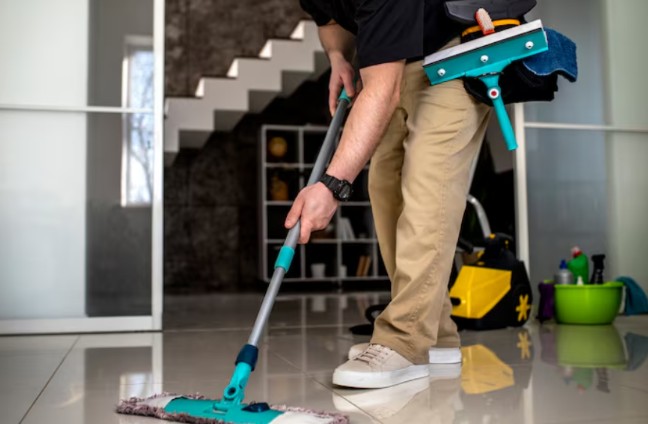
Professional cleaning has become more than just removing dust, dirt, and stains. As homes and workplaces face changing hygiene standards, customers are looking for services that are efficient, dependable, and mindful of the environment. This has encouraged cleaning companies to improve their methods, invest in better equipment, and pay closer attention to the needs of their clients.
Businesses such as Big-Mama Professional Cleaning Services reflect this shift by combining traditional cleaning skills with modern approaches. Their work covers different types of properties, from private homes to commercial spaces, where each environment requires a suitable cleaning plan. By focusing on service quality, practical solutions, and customer care, professional cleaning providers can help create spaces that are more comfortable and easier to maintain.
How Technology Is Improving Cleaning Operations
Technology has changed the way many cleaning tasks are completed. Equipment that once required considerable time and physical effort can now be handled more efficiently with the help of modern machines. Robotic vacuum cleaners, automatic floor scrubbers, and advanced carpet-cleaning equipment allow cleaning teams to cover larger areas while maintaining consistent results.
These tools are particularly useful in commercial buildings, offices, hotels, and other properties with high levels of daily activity. Automated equipment can handle repetitive tasks, allowing cleaning staff to focus on areas that require closer attention. However, technology does not replace the need for trained workers. Human judgment remains important when dealing with delicate surfaces, stubborn stains, and spaces that require specialised care.
Digital tools also make it easier for cleaning companies to manage appointments, assign staff, and communicate with customers. Scheduling applications and service management systems help reduce confusion and keep operations organised. For providers such as Big-Mama, these improvements can support a smoother customer experience, from the initial enquiry to the completion of a cleaning appointment.
Why Eco-Friendly Cleaning Matters
Environmental responsibility has become an important consideration when choosing professional cleaning services. Traditional cleaning products may contain ingredients that can affect indoor air quality or contribute to environmental pollution when used or disposed of improperly. As a result, more customers are paying attention to the products and methods used in their homes and workplaces.
Eco-friendly cleaning focuses on reducing unnecessary environmental impact without overlooking cleanliness. Biodegradable detergents, lower-impact cleaning solutions, reusable materials, and equipment designed to use less water or electricity can all support more sustainable practices. Choosing suitable products can also help reduce strong chemical smells, which may be unpleasant for people using the cleaned space.
However, green cleaning does not mean that every natural product is automatically safe or effective. Cleaning companies still need to select products based on the surface, type of dirt, and required level of sanitation. Following manufacturer instructions and using the correct amount of cleaning solution are important parts of responsible cleaning.
For customers, asking about the products and equipment used by a cleaning provider can help them understand whether the service matches their environmental preferences. A company that considers both cleaning performance and resource use can offer a more balanced approach to property maintenance.
Maintaining Hygiene and Workplace Safety
Clean surroundings contribute to comfort, but hygiene also plays an important role in protecting people who use a building every day. Kitchens, bathrooms, shared workstations, door handles, switches, and other frequently touched areas can collect dirt and germs through regular use. These spaces require consistent attention as part of an effective cleaning routine.
Professional cleaners need to understand the difference between general cleaning and disinfection. Cleaning removes visible dirt and many germs from surfaces, while disinfection uses suitable products to reduce microorganisms. Both may be necessary depending on the location and its intended use.
A reliable cleaning procedure should also include proper handling of chemicals, suitable protective equipment, and clear instructions for staff. Products must be used according to their labels, with particular care taken not to mix cleaning chemicals that could produce harmful fumes. Training employees in these procedures helps protect both cleaning teams and the people who occupy the property.
High-touch surfaces may need more frequent attention in busy environments, especially where many people share the same facilities. By following appropriate cleaning schedules, businesses can maintain a cleaner setting for employees, customers, and visitors.
Cleaning Services Designed Around Individual Needs
Every property has different cleaning requirements. A family home may need regular dusting, bathroom cleaning, kitchen maintenance, and floor care. An office, on the other hand, may require scheduled cleaning of shared areas, meeting rooms, reception spaces, and workstations. Larger commercial properties can also need specialised services to maintain carpets, windows, upholstery, and other surfaces.
This is why flexible cleaning arrangements are valuable. Instead of relying on one standard package, customers can choose services based on the size of their property, the number of people using it, and how often cleaning is needed. Some may prefer weekly visits, while others may require a one-time deep clean or support before and after a special event.
Big-Mama professional cleaning services can be considered within this broader approach to customer-focused cleaning. Offering different service options allows a provider to respond to varying property conditions and customer expectations. Clear communication before work begins is equally important, as it helps establish which areas need attention and what results the customer expects.
The Value of Employee Training and Development
Even with modern machines and cleaning products, service quality still depends heavily on the people doing the work. Cleaning staff need practical knowledge of different surfaces, suitable cleaning methods, chemical safety, and equipment operation. Without proper training, workers may accidentally damage furniture, use products incorrectly, or overlook areas that need attention.
Ongoing development helps employees keep up with new equipment and changing industry practices. Training can also cover customer communication, time management, and how to handle specific requests professionally. These skills are useful because cleaners regularly work in private homes and business environments where respect, reliability, and attention to detail matter.
A supportive workplace can also improve staff motivation and consistency. Recognising good performance, providing clear responsibilities, and creating opportunities to learn can help cleaning companies retain experienced employees. When workers feel prepared and supported, they are better positioned to deliver dependable service.
Building Customer Trust Through Digital Platforms
Customers increasingly use the internet to find and compare cleaning providers. A professional website, active social media accounts, and accurate business information can make it easier for people to understand what a company offers. Clear descriptions of available services, booking procedures, and pricing also help customers make informed decisions.
Online reviews and testimonials can influence how potential clients view a cleaning business. Genuine feedback gives people an idea of other customers’ experiences, although reviews should be considered alongside service details and direct communication with the provider.
Digital marketing also helps cleaning companies reach people who may not discover them through traditional advertising. Search engine optimisation, useful website content, and targeted online campaigns can improve visibility when customers search for cleaning assistance in their area. For businesses such as Big-Mama, maintaining an informative online presence can support customer enquiries and make service information easier to access.
What the Future May Bring for Professional Cleaning
The cleaning industry is likely to continue changing as technology and customer expectations develop. Artificial intelligence may help companies plan cleaning schedules by analysing building usage and identifying areas that require more frequent attention. Internet of Things devices could also provide information about equipment performance, supply levels, and the condition of shared facilities.
Contactless booking and digital payment systems may become more common, making it easier for customers to arrange services without lengthy communication. At the same time, demand for environmentally responsible products and methods is expected to encourage further improvements in cleaning equipment and materials.
Despite these developments, the fundamentals of professional cleaning will remain important. Customers will continue to value reliable staff, careful work, safe practices, and clear communication. Technology can make operations more efficient, but it must support rather than replace the attention and experience needed to clean different environments properly.
Setting Higher Standards for Cleaner Spaces
Modern cleaning services are adapting to a market that expects more than basic maintenance. Customers want clean and hygienic surroundings, convenient service arrangements, and responsible cleaning methods. Meeting these expectations requires a combination of suitable technology, trained employees, flexible packages, and consistent quality control.
Companies such as Big-Mama professional cleaning services operate in an industry where these factors increasingly shape customer expectations. As new tools and sustainable practices become more widely used, professional cleaners have opportunities to improve how they serve homes and businesses. Ultimately, successful cleaning is not simply about making a space look tidy. It is about creating an environment that people can use comfortably, safely, and with confidence.