
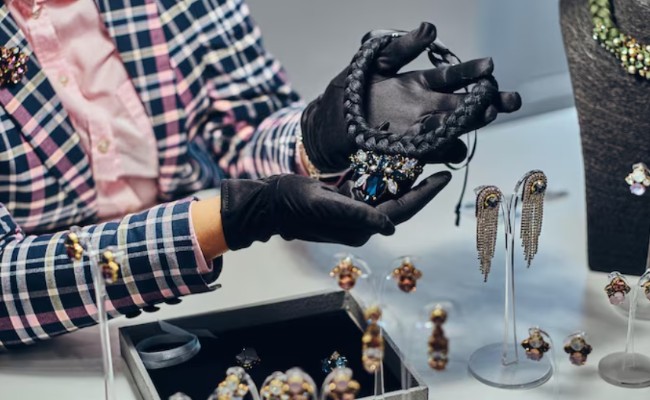
Fine jewellery has a special place in fashion, personal expression, and important life moments. Beyond its appearance, a carefully designed piece can represent a relationship, celebrate an achievement, or become a treasured family possession. Its lasting appeal comes from the combination of thoughtful design, quality materials, and the skill required to bring each creation to life.
BPJ high jewellery and bespoke designs reflect this connection between artistry and personal meaning. The world of luxury jewellery places great importance on details, from the selection of gemstones to the finishing of precious metals. Each stage contributes to the character of the final piece, making craftsmanship an essential part of its value.
As tastes continue to change, jewellery designers must find ways to respect traditional techniques while responding to modern preferences. This balance allows established design influences to remain relevant while creating room for fresh ideas and individual styles.
Combining Traditional Techniques with Modern Design
Jewellery making is a craft built on knowledge passed down through generations. Techniques such as stone setting, metal shaping, engraving, and polishing require patience and precision. Even small adjustments can influence how a piece looks, feels, and fits when worn.
Modern jewellery design builds on these foundations by introducing new tools, materials, and creative approaches. Digital design software, for example, allows designers to develop detailed concepts before production begins. Three-dimensional modelling can help assess proportions, gemstone placement, and structural details, making it easier to refine a design before it reaches the workshop.
For a brand such as BPJ, the relationship between heritage and innovation forms an important part of its identity. Traditional craftsmanship provides the foundation, while modern design methods offer additional ways to explore shapes, settings, and finishes. The result is jewellery that can appeal to people who appreciate classic styles as well as those who prefer contemporary designs.
The Skill and Attention Behind Every Creation
Creating fine jewellery involves more than choosing attractive gemstones and combining them with precious metals. Each piece requires careful planning to ensure that its design, structure, and finishing work together. Artisans must understand how different materials behave and how individual components should be assembled.
Gemstone selection is particularly important. Diamonds, sapphires, rubies, and other precious stones vary in colour, clarity, cut, and size. These characteristics influence how a gemstone reflects light and how it works within a particular design. Selecting suitable stones requires an understanding of their appearance as well as their physical properties.
The setting process also demands considerable care. Stones must be secured properly while remaining visible within the overall design. Depending on the style, artisans may use different setting techniques to create a subtle appearance or make the gemstone the main feature of the piece.
Finishing completes the process. Polishing, checking the structure, and examining small details help ensure that the jewellery meets the intended design standards. This attention to each stage is what gives handcrafted pieces their distinctive character.
Bespoke Jewellery That Reflects Personal Stories
One of the most appealing aspects of luxury jewellery is the opportunity to create something personal. Ready-made collections offer a range of established designs, but bespoke jewellery gives clients greater involvement in the creative process. Instead of selecting only from existing styles, they can work with designers to develop a piece that reflects their preferences and personal experiences.
A bespoke project may begin with a simple idea, such as a particular gemstone, a meaningful symbol, or a design inspired by a family heirloom. From there, the designer can discuss possible shapes, materials, settings, and proportions. Clients may also have the opportunity to choose details such as the metal finish or the arrangement of stones.
BPJ’s bespoke design approach centres on the idea that jewellery can carry individual meaning. A custom ring may mark an engagement, while a necklace could be created to celebrate a family milestone. These pieces often become more meaningful because their design is connected to a specific person or occasion.
The process also requires clear communication. Discussing budgets, design expectations, production timelines, and material choices helps both the client and designer work towards a shared result. When carefully planned, a bespoke piece can become something that remains significant long after the occasion for which it was made.
Exploring the Range of High Jewellery Designs
A jewellery collection becomes interesting when it offers different styles without losing a clear sense of identity. Some people are drawn to simple designs that can be worn regularly, while others prefer detailed pieces intended for formal events or special occasions.
Classic jewellery often features balanced proportions, familiar shapes, and designs that remain easy to pair with different outfits. Diamond rings, elegant pendants, and understated earrings are examples of pieces that can suit a wide range of settings. Their appeal often comes from simplicity rather than complicated details.
Contemporary jewellery takes a different approach by exploring unusual forms, creative gemstone arrangements, and distinctive combinations of materials. Strong shapes and unexpected design elements can give a piece a more modern appearance while allowing the wearer to express an individual sense of style.
BPJ’s high jewellery range brings attention to the variety found within fine jewellery design. Whether a person prefers the brilliance of diamonds, the colour of sapphires, or the rich tones of rubies, gemstone choices can influence the entire character of a creation. The most suitable design is often one that balances visual appeal with the wearer’s personal taste.
The Importance of Responsible Material Sourcing
The jewellery industry has an important responsibility when it comes to the origin of precious metals and gemstones. Mining and material production can affect natural environments and the communities connected to these activities. As a result, responsible sourcing has become an increasingly important consideration for customers and jewellery businesses.
Ethical sourcing involves understanding where materials come from and how they enter the supply chain. Depending on the material, this may include reviewing supplier information, checking documentation, and working with recognised sourcing standards. Greater transparency can help customers make more informed decisions about their purchases.
Sustainability can also involve reducing unnecessary waste during production, making efficient use of materials, and creating pieces designed to last. Jewellery that is maintained properly may be worn for many years and passed between generations, reducing the need to replace it frequently.
For luxury brands, responsible practices are an important part of building customer confidence. Clear information about sourcing and production helps demonstrate that quality should include consideration for the people and environments involved in creating a piece.

Building Recognition Beyond Local Markets
Luxury jewellery brands operate in an international market where customers encounter different styles, cultural influences, and design traditions. Establishing a wider presence requires more than producing attractive collections. Brands must communicate their identity clearly while maintaining consistent standards across their products and customer experiences.
Jewellery exhibitions, industry events, fashion collaborations, and digital platforms can help designers introduce their work to wider audiences. These opportunities also allow brands to observe changing preferences and gain insight into new developments in jewellery design.
An international audience may appreciate different qualities in a collection. Some customers value traditional craftsmanship, while others are more interested in contemporary styling or personalised services. Understanding these differences can help a jewellery brand communicate with customers while maintaining its own creative direction.
BPJ’s presence within the luxury jewellery landscape reflects the importance of connecting design, craftsmanship, and customer expectations. Maintaining recognition in a competitive market depends on continuing to develop meaningful creations while giving attention to quality and service.
Preserving the Value of Fine Jewellery
A well-made piece of jewellery deserves proper care. Regular cleaning, careful storage, and occasional professional inspections can help maintain its appearance and condition. Different gemstones and metals have different care requirements, so cleaning methods should always suit the materials involved.
Jewellery should also be stored carefully to prevent scratches and accidental damage. Keeping delicate pieces separate and avoiding unnecessary exposure to harsh chemicals can help preserve their finish. For frequently worn items, checking clasps, settings, and other fastenings can identify problems before they become more serious.
These simple habits are especially important for bespoke and high jewellery pieces because their personal and financial significance may extend beyond their original purchase.
The Continuing Art of Luxury Jewellery
Fine jewellery continues to develop through a combination of creative design, skilled workmanship, and changing customer preferences. While technology introduces new possibilities, traditional techniques remain important in producing pieces that are carefully finished and made with attention to detail.
BPJ high jewellery and bespoke designs represent the appeal of combining artistic expression with personal meaning. From selecting gemstones to developing custom creations, every part of the process contributes to the identity of a finished piece. As the industry continues to evolve, the lasting appeal of fine jewellery will remain connected to the craftsmanship, care, and thought that go into making something worth keeping.