
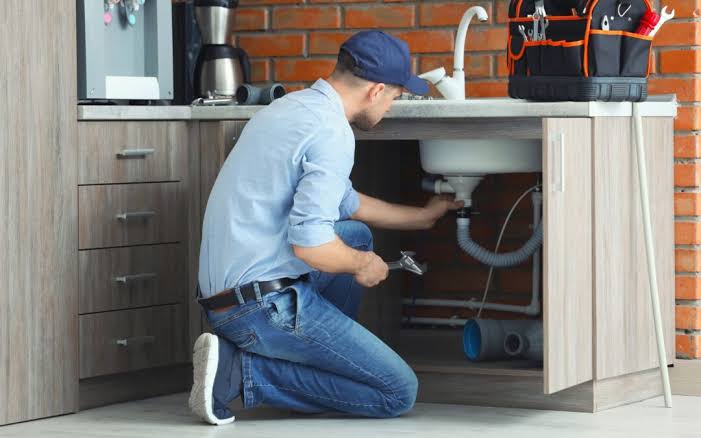
For reliable plumbing solutions, professional assistance, and help maintaining a safe and efficient plumbing system, homeowners can visit eco-service.com to explore plumbing services in New York.
Plumbing systems play an essential role in keeping homes comfortable, hygienic, and functional. From supplying clean water to removing wastewater, every component needs proper attention to operate efficiently. In a busy city like New York, where residential buildings range from historic brownstones to modern apartment complexes, plumbing problems can develop for several reasons. Aging pipes, fluctuating water pressure, mineral buildup, and everyday usage can gradually affect the performance of household plumbing systems.
Understanding common plumbing issues and knowing when to seek professional assistance can help homeowners prevent expensive repairs and protect their properties from water damage.
Common Plumbing Problems in New York Homes
New York properties often have different plumbing configurations depending on their age, construction materials, and maintenance history. Older buildings may contain outdated pipework, while newer properties can experience problems caused by installation defects or excessive household usage.
Some of the most common plumbing issues include:
- Leaking faucets: Worn washers, damaged cartridges, and loose connections can cause continuous dripping and unnecessary water waste.
- Clogged drains: Hair, soap residue, grease, and food particles can accumulate inside drainage pipes and restrict water flow.
- Running toilets: Faulty fill valves, worn flappers, or damaged flushing mechanisms can cause toilets to consume more water than necessary.
- Low water pressure: Mineral deposits, pipe corrosion, hidden leaks, or supply-related issues may reduce water pressure throughout a property.
- Water heater problems: Sediment accumulation, heating element failures, and damaged components can affect hot water availability.
- Leaking or damaged pipes: Corrosion, freezing temperatures, and excessive pressure can weaken pipes and create unexpected leaks.
Although some problems appear minor initially, ignoring them can lead to structural damage, higher utility bills, and more complicated repairs.
Why Regular Plumbing Inspections Matter
Preventive maintenance is one of the most effective ways to maintain a reliable plumbing system. Small defects are generally easier to identify and address before they develop into major problems.
A professional plumbing inspection can help identify hidden leaks, deteriorating connections, drainage restrictions, and signs of corrosion. Plumbers may also examine water heaters, shut-off valves, exposed pipes, and drainage systems to determine whether any components require attention.
Homeowners should consider arranging inspections periodically, particularly when purchasing an older property, renovating a bathroom or kitchen, or noticing unexplained changes in water pressure.
Regular inspections are especially valuable in older New York buildings because certain plumbing components may have been operating for decades. Identifying deterioration early can help property owners plan necessary repairs rather than dealing with unexpected emergencies.
How to Prevent Drain Blockages
Blocked drains are among the most frequent household plumbing complaints. Kitchen sinks commonly become clogged because of cooking grease, oil, food particles, and other debris. Bathroom drains are more likely to collect hair, soap residue, and personal care products.
A few simple habits can reduce the likelihood of blockages:
- Install suitable drain screens to prevent solid debris from entering pipes.
- Avoid pouring cooking oil, grease, and fats directly into kitchen sinks.
- Dispose of food scraps in the trash rather than washing them down the drain.
- Remove accumulated hair from shower and bathtub drains regularly.
- Clean accessible drain covers and strainers to maintain proper water flow.
- Avoid flushing wipes, cotton products, and other unsuitable materials down toilets.
If a blockage persists despite basic cleaning, professional drain cleaning may be necessary. Depending on the severity and location of the obstruction, a plumber may use an auger, specialized cleaning equipment, or a camera inspection to identify the underlying cause.
Protecting Pipes During New York Winters
Cold weather presents additional challenges for residential plumbing systems. When temperatures fall significantly, exposed pipes in basements, garages, exterior walls, and poorly insulated spaces may freeze.
Water expands as it freezes, increasing pressure inside pipes and potentially causing them to crack or burst. A damaged pipe can release substantial amounts of water once temperatures rise and the ice begins to melt.
Homeowners can reduce this risk by insulating vulnerable pipes, sealing gaps that allow cold air inside, and maintaining adequate indoor temperatures during winter.
It is also important to locate the main water shut-off valve before an emergency occurs. If a pipe bursts, shutting off the water supply can help limit flooding while professional assistance is arranged.
Frozen pipes should never be exposed to open flames or unsafe heating methods. Controlled thawing and professional assessment are safer approaches, particularly when a pipe may already be damaged.
When Should You Call a Professional Plumber?
Some plumbing maintenance tasks can be handled without professional assistance. However, more complicated problems require appropriate tools, technical knowledge, and experience.
Homeowners should consider contacting a qualified plumbing professional when they notice:
- Water leaking behind walls, ceilings, or beneath flooring.
- Repeated drain blockages or wastewater backing up into fixtures.
- Sudden reductions in water pressure throughout the property.
- Unusual noises coming from pipes or water heaters.
- Persistent leaks around toilets, faucets, or water connections.
- Signs of pipe corrosion or significant water damage.
- Burst pipes or unexpected flooding.
Emergency situations require prompt attention. If a serious leak occurs, shutting off the main water supply is an important first step. For suspected gas leaks, occupants should leave the affected area and contact the appropriate emergency service rather than attempting repairs themselves.
Before hiring a plumber, homeowners should verify relevant licensing requirements, insurance coverage, service details, and estimated costs. Requesting a written quotation can also help avoid misunderstandings about labor charges, replacement parts, and additional work.
Choosing the Right Plumbing Service
Finding a dependable plumbing professional involves more than selecting the first available service provider. Experience, communication, transparency, and the ability to diagnose problems accurately are important considerations.
Homeowners should look for professionals who explain the cause of a problem, describe the proposed repair, and provide clear pricing before starting work. It is also useful to ask whether replacement parts are covered by a warranty and whether the completed work complies with applicable local plumbing codes.
For residents in New York, accessibility is another important factor. Plumbing emergencies can happen outside regular business hours, so knowing how to contact an appropriate emergency service can make a significant difference when dealing with burst pipes, severe leaks, or sewer backups.
Final Thoughts
A properly maintained plumbing system contributes to a healthier, safer, and more comfortable home. While everyday habits can prevent many common problems, regular inspections and timely professional repairs remain essential for long-term reliability.
New York homeowners should pay particular attention to aging pipes, winter-related damage, drainage problems, and water heater performance. By recognizing early warning signs and addressing plumbing concerns promptly, property owners can minimize unnecessary expenses and protect their homes from avoidable water damage.