
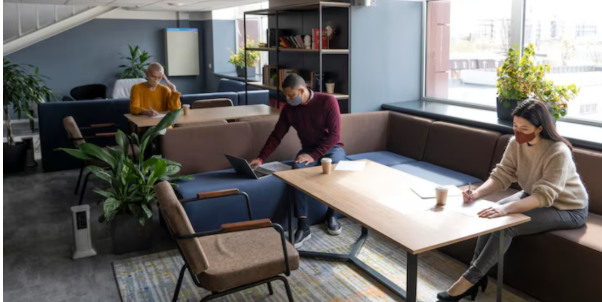
The way businesses use office spaces has changed as companies look for more practical ways to manage their daily operations. Traditional offices often require long-term rental agreements, large deposits, and additional expenses for furniture, utilities, and maintenance. These commitments can be difficult for startups, freelancers, and growing companies that need room to adjust their budgets. As a result, more professionals are exploring flexible alternatives, including a shared office in Manila, where they can access a professional working environment without taking on the full cost of maintaining a private office.
Manila is a natural setting for this change. As one of the Philippines’ main business centres, the city brings together companies from different industries, independent professionals, and entrepreneurs. With work arrangements becoming more flexible, shared offices offer a practical way to stay connected to the business community while adapting to changing workplace needs.
Moving Beyond Traditional Office Arrangements
For many years, renting a dedicated office was considered a standard step for businesses that wanted a professional address and a permanent place for their employees. However, this arrangement does not suit every organisation. A small team may not need an entire office, while a newly established company may prefer to avoid committing to a lease before its operations become stable.
Shared offices provide another option by allowing different businesses and individuals to use the same professional facility. Depending on the provider, these spaces may include private offices, shared desks, meeting rooms, reception areas, and communal facilities. Companies can select an arrangement based on their team size, working style, and budget.
This approach makes it easier to establish a workplace without handling every part of an office setup. Businesses can focus more on their operations while using facilities that are already prepared for daily work. It also gives smaller organisations access to professional surroundings that might otherwise be too expensive to maintain independently.
Why Flexibility Matters to Modern Businesses
One of the main reasons shared offices have become popular is the flexibility they offer. Business requirements can change quickly, especially for companies that are expanding, managing temporary projects, or adjusting to new market conditions. A workspace that allows organisations to change their arrangements can make these transitions easier.
For example, a startup may begin with a few employees and gradually need more desks as its team grows. A larger company might require a temporary office for a project team or a smaller location for employees who work outside the main headquarters. Shared office providers may offer different plans that help accommodate these changing requirements.
This flexibility can also benefit freelancers and remote workers. Working from home may be convenient, but it can sometimes make it difficult to separate professional responsibilities from personal activities. Having access to a dedicated workplace provides a more structured environment where individuals can concentrate, attend meetings, and interact with other professionals.
Managing Office Costs More Effectively
Operating a traditional office involves expenses beyond monthly rent. Businesses may need to pay for electricity, internet access, cleaning, furniture, equipment, maintenance, and administrative support. These costs can add up, particularly for organisations that do not require a large workspace every day.
Shared offices allow occupants to use common facilities and services, helping reduce the need for separate investments. Instead of purchasing all the equipment and arranging every service themselves, businesses can use resources provided as part of their workspace agreement. The exact inclusions depend on the provider and selected membership plan, so companies should review the terms before making a decision.
Reducing office-related responsibilities can also give business owners more time to focus on important tasks. Rather than spending hours coordinating maintenance or managing office supplies, they can direct more attention towards customers, employees, and long-term business goals.
Creating Opportunities for Professional Connections
A shared office is not only a place to complete daily tasks. It can also create opportunities for people from different professional backgrounds to meet and exchange ideas. Unlike a traditional office occupied by one organisation, a shared environment may bring together entrepreneurs, consultants, designers, technology specialists, and employees from established companies.
These interactions can lead to useful conversations and potential business relationships. A freelancer might meet a company looking for creative support, while a startup could connect with a professional who has experience in marketing, finance, or technology. Although networking opportunities depend on the people using the space and how they interact, being part of a diverse workplace can make professional connections easier to develop.
Some shared office providers also organise workshops, community activities, and networking events. These activities give members additional opportunities to learn from others and become familiar with different industries. For businesses that are still building their networks in Manila, this kind of environment can be a useful starting point.
Technology and Facilities That Support Daily Operations
Modern businesses rely on technology to communicate, manage information, and complete their work. Shared office providers understand this need and commonly include facilities designed to support everyday business activities. Reliable internet access, meeting room equipment, printing facilities, and secure entry systems can help create a convenient working environment.
Meeting rooms are particularly useful for companies that regularly communicate with clients, suppliers, or remote team members. These spaces provide a more suitable setting for presentations, interviews, and confidential discussions than an open working area. Some facilities may also include video conferencing equipment that helps businesses communicate with people in other locations.
Security should also be considered when choosing a shared office. Businesses handling sensitive documents or client information need to understand how the provider manages access, internet security, and private working areas. A professional environment should support productivity while giving occupants reasonable confidence that their work can be carried out safely.
Designing Workspaces Around Employee Well-Being
The physical working environment can influence how people feel and perform throughout the day. Poor lighting, uncomfortable furniture, and limited space may make it harder to concentrate, particularly during long working hours. Modern shared offices often address these concerns through practical layouts and comfortable furnishings.
Ergonomic chairs, suitable desks, natural lighting, and designated areas for breaks can help create a more comfortable workplace. Open spaces may encourage communication, while private offices and quiet zones provide places for tasks that require greater concentration. This combination allows people to choose an environment that matches the work they need to complete.
A well-designed workspace can also make employees feel more connected to their organisation. Even when teams work under flexible arrangements, having a professional place to meet and collaborate can help maintain communication and a sense of belonging.
How Shared Offices Fit Manila’s Changing Business Environment
Manila’s business community includes organisations with different sizes, budgets, and operational requirements. Established companies may need additional locations for specific teams, while smaller businesses may be looking for an affordable way to establish a professional presence in the city. Shared offices can serve both groups by offering workspace arrangements that do not always require the same commitments as conventional leases.
Location remains an important consideration. Businesses should look at how easily employees and clients can reach the office, whether public transport is accessible, and what nearby facilities are available. A convenient location can make regular meetings and daily travel more manageable.
Companies should also compare membership costs, contract conditions, available facilities, privacy arrangements, and the ability to expand their workspace. The most suitable option is not necessarily the one with the lowest price. It is the space that supports the organisation’s actual working requirements.

The Long-Term Role of Shared Workspaces
Flexible and hybrid working arrangements have encouraged businesses to reconsider what they need from a physical office. Many organisations no longer require every employee to work from the same location throughout the week. However, in-person meetings, team discussions, and client interactions still have an important place in business operations.
Shared offices offer a way to balance these needs. They provide access to professional facilities when employees need to meet or work together while allowing organisations to maintain more flexible arrangements. As workplace expectations continue to change, providers will need to respond with better technology, suitable facilities, and workspace options that reflect the needs of different businesses.
For companies operating in Manila, shared offices represent more than an alternative to traditional rentals. They offer a practical approach to managing costs, supporting collaboration, and adapting to changing business demands. By choosing a workspace that matches their goals, organisations can build a more flexible working environment and remain prepared for the opportunities and challenges ahead.