
Nobody walks into a display home and gasps at the linen cupboard. Storage simply isn’t glamorous. Yet move into a house without enough of it, and you will notice within weeks, as vacuum cleaners lean in corners, suitcases colonise spare rooms, and the garage fills with everything that has nowhere else to go.
Good storage is invisible because it works. Planning it well during design is one of the most practical decisions you can make.
Where Clutter Really Comes From
Clutter usually gathers where storage is missing at the point of use. Keys land on the kitchen bench because there is no hook near the door. Cleaning products crowd the laundry floor because the cupboard is too shallow. Sports gear piles up in the hallway because nothing separates the garage from the bedrooms.
Tracing these patterns in your current home reveals exactly what your next one needs.
Storage That Earns Its Space
Some types of storage deliver outsized value. A walk-in pantry keeps bulk groceries, small appliances and lunchbox supplies off the kitchen benches. A linen cupboard near the bathrooms saves trips across the house. A broom cupboard tall enough for a vacuum, mop and ironing board solves a surprisingly common headache.
In the laundry, overhead cabinets and a full-height cupboard can hold detergents, baskets and the clothes airer. Near the garage entry, a bench with hooks and lockers gives school bags and work gear a landing spot.
Thinking Vertically and in Hidden Places
Ceilings in many new homes offer room for tall cabinetry. Overhead cupboards in wardrobes, laundries and garages store seasonal items that come out once or twice a year.
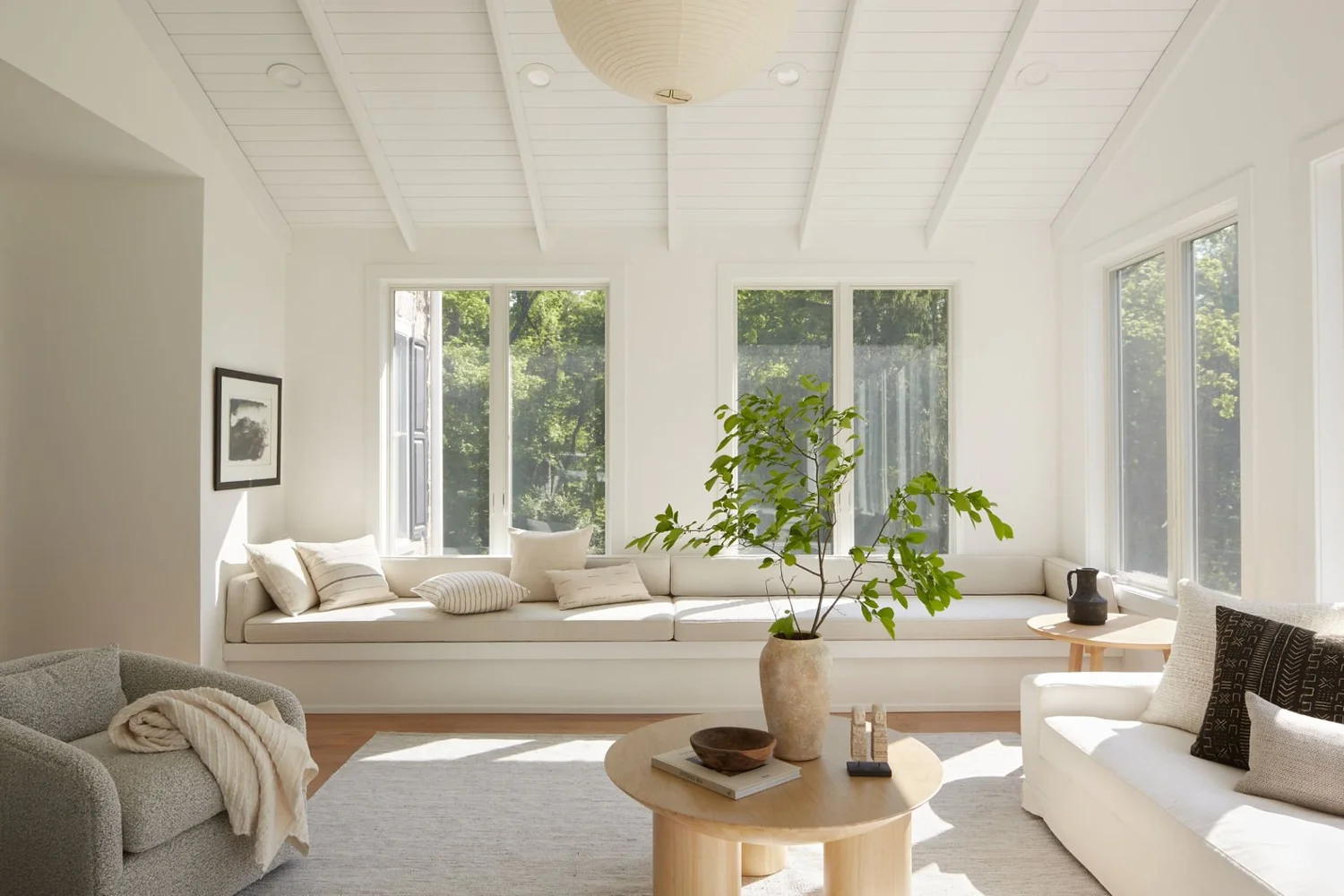
Under-stair spaces in double-storey homes are often wasted. Fitted drawers or a small cupboard can turn that awkward triangle into useful storage. Window seats with lift-up lids, drawers beneath beds and built-in bench seating in dining areas add capacity without extra floor space.
Planning for the Belongings You Don’t Have Yet
Households grow. Children bring toys, then bikes, then musical instruments and sports equipment. Hobbies arrive. Work from home brings files and equipment.
It helps to plan a little more storage than you need right now. Extra cupboards are far easier to include during design than to squeeze in later, and a spare cupboard rarely stays empty for long.
Asking the Right Questions
When reviewing floor plans, count the cupboards as carefully as the bedrooms. Ask where the vacuum, Christmas decorations, camping gear and tool kit will live. Check that wardrobe depth suits hanging clothes and that pantry shelves are adjustable.
Experienced custom home builders Sydney homeowners rely on will often raise these questions during design, because they have seen how storage affects life after move-in. Wherever you build, choosing a builder who takes storage seriously pays off for years.
The Quiet Hero of a Calm Home
Generous, well-placed storage keeps surfaces clear, rooms flexible and mornings calmer. It rarely features in glossy photos, yet it is one of the main reasons some homes feel easy to live in.
Give it proper attention on paper, and you may never have to think about it again.