
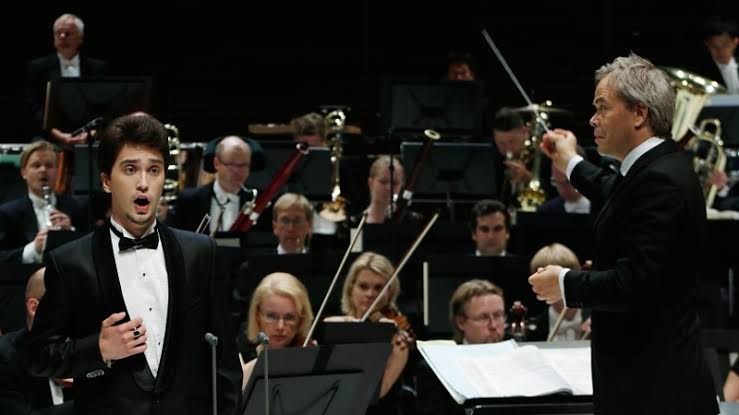
Watch a symphony orchestra in full flight, and the conductor may seem like the least busy person on stage. They play no instrument and produce no sound. Yet without them, dozens of talented musicians would struggle to stay in time, balance their volume and bring a complex piece to life.
Business advisers often play a remarkably similar role, though their stage is usually a meeting room.
Coordination Over Performance
A conductor’s job is not to replace the musicians. It is to help each section perform at its best while serving the whole piece. Strings, brass, woodwind and percussion all bring different strengths, and the conductor makes sure they combine rather than compete.
Advisers working on complex projects do much the same. Engineers, finance teams, legal specialists and project managers each contribute vital expertise. Someone needs to keep those contributions aligned with a shared goal.
Reading the Whole Score
Musicians typically focus on their own part. The conductor reads the entire score, understanding how every line fits together. That broader view allows them to anticipate where tempo changes, where a section needs to soften or where a solo must shine.
Advisers bring a similar perspective. They can see how a delay in one workstream will affect another, or how a decision in procurement might shape engineering choices months later.
The Art of Bringing a Proposal Together
Nowhere is this coordination more visible than in competitive tenders. A strong response draws on technical writers, engineers, pricing specialists, reviewers and executives, all working to a tight deadline. Effective bid support functions like a conductor’s baton, setting the rhythm, guiding each contributor and ensuring the final submission reads as one coherent voice.
Government buyers also look beyond the headline number. Under Australia’s Commonwealth procurement framework, price is not the sole factor in assessing value for money. That makes a clear, well-coordinated story about capability and approach especially important.
Listening as Much as Leading
Great conductors listen constantly. They notice when a section is struggling, when the balance is off or when a musician needs encouragement. Good advisers likewise pay close attention to how teams are feeling, where friction is building and which voices are not being heard.
Adjustments made early, through a quiet word or a small change in plan, often prevent larger problems later.
Rehearsal Makes the Difference
Orchestras rehearse extensively before performances, refining transitions and fixing weak passages. Complex projects benefit from the same discipline. Reviews, walkthroughs and practice presentations allow teams to identify gaps before the stakes are highest.
Advisers frequently organise these rehearsals, creating safe opportunities to test ideas and improve the final result. In tender preparation, colour-coded review stages often play this role, giving fresh readers a chance to test the draft.
Stepping Back at the Right Moment
At the end of a performance, the applause belongs to the whole orchestra. The best conductors are comfortable sharing credit, knowing their success depends on the musicians’ skill.
Advisers who take the same approach build stronger, longer-lasting relationships with the teams they support. When everyone performs well together, the result is something no single contributor could achieve alone.