
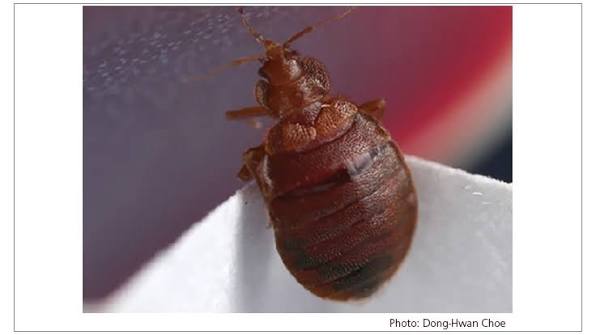
Finding a bed bug in an apartment can raise a bigger question than simply how it got into one bedroom: could neighboring units also be affected? Multi-unit housing presents unique challenges because residents live close together, belongings move frequently through the building, and bed bugs may sometimes travel between adjoining spaces. Eliminating activity in only one area may not address the full scope of the problem.
Effective apartment bed bug prevention depends on early reporting, careful inspection, and cooperation between residents and property management. What makes bed bugs in apartments particularly challenging, and how can early detection help keep an isolated problem from becoming a building-wide concern?
Why Bed Bugs in Apartments Spread More Easily
Bed bugs in apartments can be difficult to contain because multiple households occupy connected spaces. They may be introduced through luggage, furniture, clothing, visitors, or other belongings and can sometimes move into adjoining units.
Shared Walls Increase the Spread of Bed Bugs in Apartments
Bed bugs usually remain close to places where people sleep or rest, but established infestations can extend beyond a single room or apartment. Cracks, wall voids, utility openings, and other structural pathways may allow movement between neighboring units.
The U.S. Environmental Protection Agency notes that bed bugs can hide in extremely small cracks and crevices. In multi-unit housing, this ability makes inspecting potentially affected neighboring spaces an important part of determining how widespread a problem has become.
Why Apartment Bed Bug Prevention Requires Early Action
Early action limits the amount of time bed bugs have to establish additional hiding places. Residents should report suspected activity promptly rather than relying solely on repeated applications of household sprays.
Early reporting also gives property managers an opportunity to coordinate inspections where appropriate. This is particularly important when there is reason to suspect that more than one unit may be affected.
Bed Bug Inspection for Apartment Residents
A bed bug inspection is a systematic examination of common hiding locations for live insects, eggs, shed skins, fecal spotting, and other evidence. It helps distinguish a suspected infestation from other household pest problems.
How Bed Bug Inspection Detects Hidden Infestations
Bed bugs are easy to overlook because they spend much of their time concealed. A detailed inspection generally concentrates on areas where residents sleep and rest.
Common inspection points include:
- Mattress seams and box springs
- Bed frames and headboards
- Sofas and upholstered chairs
- Nightstands and nearby furniture
- Baseboards and wall cracks
- Furniture joints and crevices
The Centers for Disease Control and Prevention identifies signs such as bed bugs in mattress or sheet folds, shed exoskeletons, and rusty-colored blood spots as possible evidence of an infestation.
Why Bed Bug Inspection Should Be Scheduled Early
Waiting until numerous live insects are visible can give an infestation more time to expand. Early inspection can establish whether bed bugs are actually present and identify affected areas before treatment begins.
Residents should also remember that bites alone do not confirm bed bugs. Reactions vary significantly, making physical evidence and careful inspection more reliable for identifying an infestation.
Apartment Bed Bug Prevention Tips That Work
Apartment bed bug prevention focuses primarily on reducing opportunities for introduction and detecting new activity quickly. Bed bugs are hitchhikers, so everyday household habits can influence risk.
Furniture and Laundry Habits That Improve Apartment Bed Bug Prevention
Secondhand furniture should be examined carefully before it enters an apartment, especially mattresses, bed frames, sofas, and upholstered chairs.
Residents can also:
- Avoid taking discarded furniture into the apartment.
- Inspect used furnishings before bringing them indoors.
- Reduce clutter around sleeping areas.
- Keep potentially infested belongings contained.
- Use dryer heat appropriately for washable or dryable items when bed bugs are suspected.
Avoid moving suspected infested furniture or belongings through common areas without guidance, as doing so can potentially spread bed bugs to new locations.
Reducing Bed Bugs in Apartments After Travel
Travel is another common opportunity for bed bugs to hitchhike. The U.S. Environmental Protection Agency recommends inspecting mattresses and headboards while traveling and checking luggage after returning home.
Apartment residents can further reduce risk by keeping luggage away from beds, inspecting suitcase seams after trips, and moving travel clothing directly to the laundry rather than leaving bags open in bedrooms.
Working With Property Managers
Cooperation matters in multi-unit housing because bed bug activity may not always stop at the boundary of one apartment. Residents and property managers can work together to determine which spaces require inspection and treatment.
Why Inspections Benefit Entire Apartment Communities
When bed bugs are confirmed, evaluating the surrounding situation can help identify whether the infestation is isolated or potentially involves additional units. This information allows treatment decisions to be based on evidence rather than assumptions.
Residents should report suspected bed bugs promptly and follow building procedures for inspections, preparation, and treatment. Property managers can help coordinate access and communicate necessary steps to affected residents.
Professional Treatment After Bed Bug Inspection
Once an infestation is confirmed, professional treatment can target the locations identified during inspection and account for the conditions within the property. Treatment may involve multiple control methods depending on the infestation and building.
For residents dealing with confirmed activity, professional Houston bed bug treatment can provide an inspection-based approach to identifying affected areas and determining appropriate treatment options.
Early Detection Helps Protect Multi-Unit Housing
Controlling bed bugs in apartments requires more than treating the insects that happen to be visible. Close living arrangements, connected structures, and the constant movement of belongings make early detection particularly important in apartment communities.
Residents can help by practicing apartment bed bug prevention, inspecting belongings after travel, being cautious with secondhand furniture, and reporting suspicious evidence promptly. When bed bugs are suspected, a professional bed bug inspection can establish the extent of the problem and provide the information needed to plan effective treatment.