
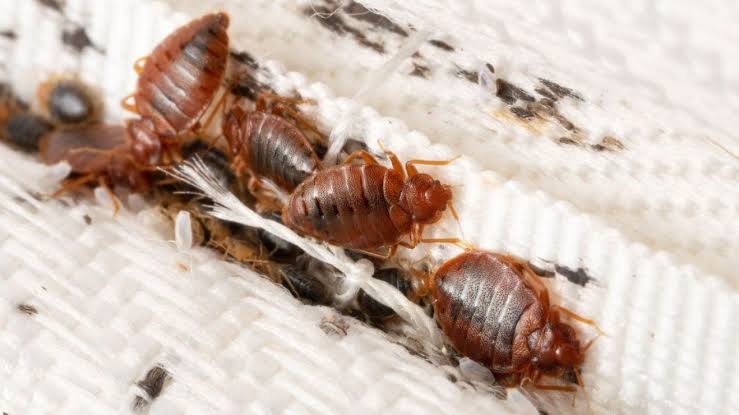
The phrase “bed bug skin” can refer to two different warning signs. Some people use it for itchy reactions after bites. Others mean the empty exoskeletons that growing bed bugs leave behind.
Both warning signs may point toward possible hidden pest activity, but they do not carry equal weight. Skin irritation has several possible causes, while bed bug shed skin provides physical evidence that insects developed inside the property.
How Bed Bug Skin Reactions Develop After Bites
Bed bugs usually feed while people sleep. They pierce the skin, draw blood, and introduce saliva that helps them feed. The immune system may react to proteins in that saliva, creating itchy, red bumps. However, bed bug skin reactions vary.
Some people notice irritation shortly after a bite, while others see marks days later. This delay can obscure the source. Bumps may appear in clusters, short lines, or scattered groups. Commonly affected areas include the arms, hands, shoulders, neck, face, and legs because these areas are exposed by sleepwear.
Still, two people sharing one bed may show different symptoms. One might develop itchy marks, while the other shows no visible bed bug skin reaction. Previous exposure, immune response, and sensitivity influence the result. Therefore, bites may raise suspicion, but they cannot identify the pest. Fleas, mosquitoes, allergies, and other conditions can create similar marks.
Why Bed Bug Skin and Shed Casings Signal Trouble
Young bed bugs pass through five stages before adulthood. During each stage, they feed and molt, leaving an empty covering. This bed bug shed skin keeps the insect’s oval body, legs, and segmented abdomen. However, it looks pale, dry, translucent, and lighter than a living bed bug.
Homeowners may find bed bug shed skin along mattress seams, beneath labels, inside box springs, around bed frames, behind headboards, or near upholstered furniture. Casings can also collect beside baseboards, under tables, and inside cracks near sleeping areas. Because these pests remain close to a host, the material can reveal an active hiding place.
One bed bug shed skin proves that a bed bug developed there at some point. Multiple casings in different sizes provide stronger evidence of repeated feeding and ongoing growth. Moreover, homeowners should look nearby for pearly white eggs, tiny nymphs, dark fecal spots, or live adults.
Finding bed bug shed skin alongside these signs strongly suggests an active infestation rather than an isolated visitor. Unlike a bed bug skin reaction on a person, an intact casing provides identifiable physical evidence for a trained professional to examine.
How to Inspect for Bed Bug Skin and Other Evidence
Begin the inspection where people sleep or rest for long periods. Remove bedding carefully, then examine mattress seams, piping, labels, and tufts with a bright flashlight. Next, check the box spring, especially its fabric edges, wooden framework, staples, and plastic corner guards. Inspect every joint, screw hole, and crack in the bed frame and headboard.
Then expand the search to nightstands, couches, upholstered chairs, baseboards, curtain folds, and nearby wall cracks. Look for bed bug shed skin, eggs, fecal marks, live insects, and rusty stains. A flashlight and a thin card can help reveal evidence inside narrow gaps. Avoid spraying random products because they may scatter bed bugs or interfere with professional treatment.
Likewise, do not carry bedding, furniture, or suspicious belongings into another room. Moving items can spread insects beyond the original area. If you find possible bed bug shed skin, collect it with tweezers and seal it inside a clear container or plastic bag.
If the collection is difficult to photograph, take close-up, well-lit photos beside a coin for scale. A pest professional can use the sample, pictures, and surrounding evidence to determine whether the material truly came from a bed bug.
Do Not Let Bed Bug Skin Keep You Guessing
Bites alone cannot confirm an infestation because many pests and skin conditions cause similar reactions. However, shed bed bug skin, eggs, fecal spots, and live insects create a much clearer picture. When bed bug skin symptoms appear with physical evidence, homeowners should request a professional inspection.
Prompt action can prevent bed bugs from spreading into furniture, adjoining rooms, vehicles, or neighboring units. Experienced technicians can confirm the pest, measure the infestation, and recommend a targeted solution for the property. Homeowners who want to understand their options can review this bed bug treatment page and schedule an inspection before a manageable problem becomes a much larger one.