
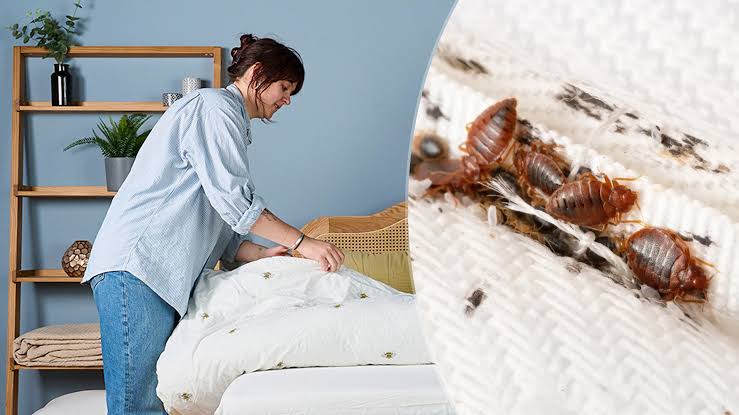
Choosing the right bed bug treatment for your property can make a major difference in how you manage an infestation. However, not every property has the same layout, level of activity, or treatment needs. A small home may require a different approach than a large apartment, rental property, or commercial space.
Therefore, before you decide on a bed bug treatment, you need to understand your property and the available options. Comparing traditional treatment methods with bed bug heat treatment helps you determine the best solution for your circumstances. You should also consider the extent of the infestation, preparation requirements, treatment coverage, and other practical factors before making your decision.
Assess Your Property Before Choosing a Bed Bug Treatment
Your property should guide your treatment decision. Before selecting a bed bug treatment, consider the following:
- Size of the property: Larger spaces often require treatments that can cover more ground efficiently.
- Layout: Narrow hallways, multiple rooms, or unique architectural features may influence how treatments are applied.
- Type of furnishings: Some treatments may work better with certain materials or furniture types, so this needs to be considered.
- Property usage: A rental property, for example, may need a quick treatment method to ensure tenant turnover isn’t disrupted.
You also need to understand how far the infestation has spread. Instead of choosing a treatment based only on the bed bugs you can see, consider where they may be hiding and whether activity appears in multiple areas.
Compare Bed Bug Treatment Methods for Your Property
Treatment methods differ, so you should compare them based on your property rather than choosing one without considering its specific requirements. When reviewing your available options, keep in mind the following:
- Heat: Uses controlled temperatures throughout the treatment area.
- Conventional treatment: Involves applying products to specific areas where bed bugs hide or travel.
To choose the right approach, evaluate how each bed bug treatment method aligns with your specific property needs. Take note of the following:
- Treatment coverage: Determine whether the approach thoroughly addresses the infestation throughout your property.
- Preparation work: Some methods, such as bed bug heat treatment, may require you to prepare the space in advance, while others have minimal requirements.
- Duration of the process: Consider how long each treatment takes and plan accordingly if the property will need to be vacated temporarily.
- Need for follow-up treatments: Assess whether multiple professional visits may be required to resolve the issue fully.
Determine When Bed Bug Heat Treatment Is the Right Choice
If you’re considering this option, it’s important to understand how it targets bed bugs. Bed bug heat treatment uses specialized equipment to elevate the temperature in infested spaces above 120 degrees Fahrenheit. This ensures that the heat penetrates deep into areas where bed bugs hide, such as furniture joints, cracks, and carpets.
Moreover, bed bug heat treatment is particularly appealing to property owners seeking a chemical-free option. It’s a suitable choice when you want to:
- Avoid chemical exposure: Ideal for properties with children, pets, or sensitive individuals.
- Get comprehensive coverage: Heat reaches hidden bed bugs and eggs throughout the treatment area.
- Get faster results: Heat treatment can often address infestations in a single session.
Consider the Practical Requirements Before Making Your Choice
Even when a treatment appears suitable, you still need to consider how it will affect your property and schedule. Planning can help you prepare properly and avoid unnecessary delays. Before scheduling a bed bug treatment, consider the following:
- Preparation tasks: Some treatments may require decluttering or temporarily removing sensitive items from the property.
- Access requirements: Professionals need full access to infested areas to carry out the job properly.
- Temporary property restrictions: You may need to vacate the area during and after treatment, depending on the method.
Finally, cost should be one consideration, not the only reason for choosing a method. To make a practical decision, compare the treatment requirements with your property’s actual needs by considering the following:
- Cost: Ensure the treatment you select fits within your budget while still being effective for your situation.
- Severity of infestation: A more serious problem may require a more aggressive solution, such as bed bug heat treatment.
- Property conditions: Unique features of your property might make certain methods more or less effective.
- Professional guidance: Reach out to a reputable exterminator who can assess your needs and provide the most suitable recommendation.
Make Bed Bugs Move Out!
The right bed bug treatment should be tailored to your property rather than follow a one-size-fits-all approach. Therefore, consider the layout, infestation level, treatment coverage, preparation requirements, and follow-up needs before making your choice. At the same time, carefully compare your available options. Bed bug heat treatment may suit properties that need broad heat coverage, while other approaches may fit different conditions. If avoiding chemical applications matters to you, you can also ask whether a chemical-free bed bug treatment is appropriate for your space.
Most importantly, you do not have to make the decision based on guesswork. Contact a bed bug professional to assess your property, explain your treatment options, and help you choose an approach that matches your specific situation.