
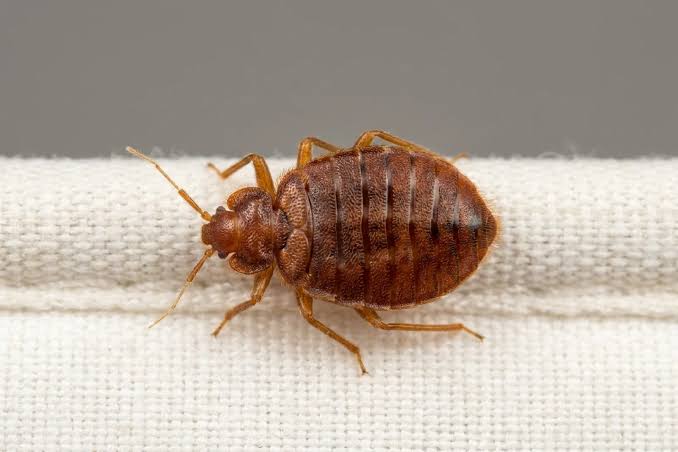
Fresh linens, a prepared guest room, and a full refrigerator may be at the top of the holiday checklist, but there is another useful task before overnight visitors arrive: checking sleeping areas for bed bugs. These insects are effective hitchhikers and can travel unnoticed in luggage, clothing, bedding, and other belongings. A timely bed bug inspection can identify suspicious activity before a busy household makes the problem harder to track. Which signs of bed bugs deserve attention before guests settle in?
Why a Bed Bug Inspection Matters Before Holiday Gatherings
A pre-holiday inspection establishes whether there is evidence of bed bug activity before overnight visitors use bedrooms and shared spaces. Early detection matters because smaller infestations are generally easier and less costly to address than widespread ones.
How increased visitors can raise the risk of bed bug exposure
Visitors do not automatically create a bed bug problem, and bed bugs are not a sign of poor hygiene. The concern is transportation: the Centers for Disease Control and Prevention explains that bed bugs can spread by hiding in luggage, overnight bags, folded clothing, bedding, and furniture.
Holiday periods can involve more luggage and belongings moving between homes. Households can reduce exposure risk by staying alert without treating guests or their possessions as inherently problematic.
Why a bed bug inspection can uncover hidden activity early
Bed bugs usually remain concealed when they are not feeding. The U.S. Environmental Protection Agency recommends finding infestations before they become established or spread.
Start around places where people sleep or rest. A flashlight can help when checking mattress seams, box springs, headboards, bed frames, upholstered furniture, and nearby cracks.
Signs of Bed Bugs to Check Around Your Home
Physical evidence provides a stronger basis for identifying possible bed bug activity than bites alone. Look systematically at sleeping areas instead of relying on a quick glance at exposed bedding.
Physical signs of bed bugs around mattresses and furniture
Common signs of bed bugs include:
- Live bed bugs
- Rusty or reddish stains on sheets or mattresses
- Dark fecal spots on fabric or surfaces
- Tiny eggs and eggshells
- Pale skins shed by developing bed bugs
Check mattress piping, seams, and tags as well as cracks in bed frames and headboards. For sofas and upholstered chairs, examine cushion seams, folds, joints, and areas underneath the furniture.
Less obvious signs of bed bugs homeowners may overlook
Bed bugs can occupy extremely narrow hiding places. In more established infestations, the EPA notes that they may be found in drawer joints, curtain folds, electrical receptacles, loose wallpaper, appliances, and even screw heads.
Skin reactions are less dependable evidence. Some people develop visible bites, while others show little or no reaction, and bed bug bites can resemble those from other insects or skin conditions. Bites can raise suspicion, but physical evidence or professional inspection is needed to confirm activity.
When Professional Bed Bug Extermination Becomes Necessary
Repeated sightings, confirmed specimens, or physical evidence in multiple locations can indicate a problem that warrants professional assessment. Bed bug control can be complex because insects and eggs may remain concealed in areas beyond what is immediately visible.
Why confirmed activity may require professional bed bug extermination
DIY measures can sometimes reduce activity, but established infestations can be difficult to manage without identifying all affected areas. If suspicious evidence is discovered before guests arrive, arranging a bed bug inspection in Milwaukee, WI can help confirm whether bed bugs are present and determine the extent of the activity.
Avoid moving potentially infested bedding or furniture into unaffected rooms while waiting for an assessment, since relocating belongings can also relocate hidden bugs.
How professional bed bug extermination addresses hidden infestations
Professional bed bug extermination may combine several methods rather than relying on a single product. The EPA advises choosing an experienced professional who uses integrated pest management, which incorporates inspection, treatment, and monitoring.
Depending on the property and infestation, professionals may use vacuuming, heat, pesticides, monitoring devices, and other appropriate controls. Multiple visits may be necessary because bed bug infestations are rarely resolved with a single treatment.
Preparing Your Home for Guests Without the Bed Bug Worry
Practical prevention focuses on detecting evidence early and limiting opportunities for bed bugs to spread. It does not require treating every visitor or suitcase as a source of infestation.
Preventive inspection habits before overnight visitors arrive
Before preparing a guest bed, inspect the mattress, box spring, frame, and headboard. Keep the area reasonably uncluttered, so potential hiding places remain easier to examine.
If your household has recently traveled, inspect luggage before storing it. The EPA also recommends keeping suitcases out of bedrooms after travel, rather than storing them under beds.
What to do when you discover suspicious bed bug activity
If you find a suspected bed bug, preserve the specimen for identification when practical and avoid immediately applying random pesticides or moving furniture throughout the house.
Check nearby sleeping and resting areas for additional physical evidence. If activity is confirmed or you cannot determine its extent, contact a pest professional experienced in bed bug management. Accurate identification and a targeted treatment plan are more useful than reacting to bites alone.
Make Bed Bug Checks Part of Holiday Preparation
A short inspection before holiday gatherings can reveal evidence that ordinary cleaning may miss. Concentrate on mattress seams, bed frames, headboards, upholstered furniture, and nearby crevices, and look for physical evidence rather than relying solely on skin reactions.
If suspicious signs appear, identifying the pest and determining how far the activity extends should come before treatment. That approach can help homeowners address an infestation early while keeping holiday preparations focused on welcoming guests rather than dealing with a larger pest problem later.