
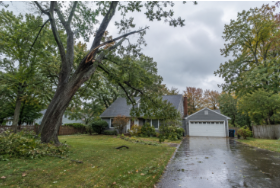
Battle Creek, Michigan, property owners often need dependable solutions for damaged trees, overgrown vegetation, and land preparation projects. Brawner’s Tree Service helps local property owners address a range of tree care and land management needs, from tree trimming and removal to stump grinding and site preparation. For those planning larger projects, the company’s land clearing guide for Battle Creek properties offers additional information about managing overgrown land and preparing properties for future use. Whether the goal is to address a hazardous tree, reclaim an overgrown area, or improve access across a property, choosing the appropriate service is an important first step.
Choosing the right solution starts with understanding the property’s condition, identifying immediate hazards, and determining which work is necessary. Whether a homeowner needs attention for a damaged tree near a garage or a landowner wants to reclaim an overgrown parcel, Brawner’s Tree Service offers a local point of contact for discussing tree care and property management needs.
Tree Care Needs Across Battle Creek Properties
Battle Creek includes residential neighborhoods, commercial properties, established landscapes, and larger parcels where trees and vegetation require different kinds of attention. A homeowner may need to address branches extending over a roof, while a commercial property manager may be concerned about obstructed walkways, parking areas, or entrances. Owners of wooded lots may face a different challenge: dense undergrowth, unwanted saplings, and limited access through portions of their land.
Brawner’s Tree Service offers a range of services relevant to these different property needs. Understanding the company’s service categories helps owners identify whether their concerns involve individual trees, remaining stumps, excessive vegetation, or a broader land management project.
Managing Trees Around Homes and Buildings
Mature trees can contribute shade, privacy, and visual appeal, but their location matters. Branches growing close to a building may rub against siding or roofing materials. Dead limbs above a driveway can threaten parked vehicles, and trees with visible structural damage may warrant professional evaluation.
In these situations, tree trimming or removal may be appropriate, depending on the tree’s condition and the risk it poses. The objective is to identify the underlying issue rather than assume that every large or imperfect tree must be removed.
Property owners considering work with Brawner’s Tree Service should be prepared to describe the tree’s location, any visible damage, and its proximity to structures. These details help establish what needs to be evaluated and what type of service may be suitable.
Maintaining Commercial and Larger Properties
Commercial properties require attention to both landscape condition and practical access. Overgrown branches can interfere with parking areas, building entrances, pedestrian routes, and routine grounds maintenance. On larger parcels, dense brush and uncontrolled vegetation may make portions of the property difficult to inspect or use.
Tree care and land management services can address different aspects of these challenges. Trimming focuses on selected branches, while brush hogging and land clearing address vegetation across larger areas. The appropriate approach depends on the property’s intended use and the amount of vegetation that needs to be managed.
For owners planning improvements to an overgrown site, Brawner’s Tree Service provides a local starting point for discussing the work required to make the property more accessible and manageable.
Recognizing When Professional Tree Services Are Needed
Recognizing tree problems early can help property owners determine when to seek professional assistance. In Battle Creek, seasonal weather can expose weaknesses that may not have been obvious during calmer conditions. Snow and ice can weigh down branches, strong winds can damage weak attachments, and saturated soil can affect root stability.
Several warning signs deserve attention:
- A sudden or increasing lean: A tree that begins leaning unexpectedly, especially when accompanied by raised soil near its roots, may have a stability problem.
- Broken or suspended branches: Large limbs caught in the canopy can fall without warning.
- Cracks in the trunk: Significant splits or separations may affect a tree’s structural integrity.
- Dead branches over occupied areas: Deadwood above roofs, driveways, walkways, or outdoor seating areas can create hazards.
- Root disturbance: Exposed roots, lifted soil, or a visibly shifting root plate may indicate instability.
- Declining foliage: Extensive dieback, thinning canopies, or branches that fail to produce leaves may signal a health problem.
- Contact with structures or utility lines: Branches rubbing against buildings or touching electrical wires require appropriate attention.
These symptoms do not automatically mean a tree must be removed. A professional assessment can help determine whether pruning, removal, or another response is appropriate.
Brawner’s Tree Service can be contacted to discuss concerns involving damaged trees, overgrown branches, and other property maintenance needs. When describing a problem, owners should explain whether the tree has recently changed position, whether limbs have broken, and whether the affected area is near a building or an access route.
Safety should remain the priority. Property owners should not climb trees, cut suspended limbs, or operate chainsaws overhead to address a suspected hazard. If a tree or branch is touching a power line, stay away and contact the utility provider.
Tree Trimming and Removal Services
Tree trimming and tree removal address different problems. Understanding the distinction helps property owners determine which service to discuss with Brawner’s Tree Service.
Tree Trimming for Clearance and Maintenance
Tree trimming can help manage branches that extend toward buildings, obstruct access, or show signs of damage. Selective pruning may also address rubbing branches and deadwood that could become problematic during strong winds or winter weather.
For residential properties, trimming may help maintain clearance around garages, driveways, fences, and outdoor living areas. Commercial property owners may need branches addressed around entrances, sidewalks, and parking areas.
A suitable trimming plan considers the tree’s condition, species, location, and growth pattern. Removing too much of a tree’s canopy can cause unnecessary stress, so pruning should have a clear purpose rather than focus solely on reducing the tree’s size.
Property owners contacting Brawner’s Tree Service can explain the specific trimming concern, such as branches extending over a roof or dead limbs hanging above a frequently used walkway. Discussing the objective helps clarify the scope of work under consideration.
Tree Removal for Damaged or Unmanageable Trees
Some trees cannot be managed safely through trimming alone. Removal may be necessary when a tree has extensive structural damage, severe root failure, substantial decline, or is in a location that poses an unacceptable risk.
In Battle Creek, storm damage can leave trees partially uprooted, split through major limbs, or resting against buildings. These situations require careful planning because a damaged tree may shift unexpectedly during cutting or movement.
The surrounding property also affects the work. Fences, garages, landscaping, neighboring structures, overhead utilities, and narrow access points can complicate removal. A suitable work plan must account for the tree’s condition and the surrounding area.
Brawner’s Tree Service offers tree removal among the services identified in this article. Property owners can discuss the tree’s condition, location, and potential hazards so that the necessary work can be evaluated.
Removal is not always the first choice. When a tree remains structurally sound and its risks can be managed, preserving it may be preferable. The decision should reflect the actual condition of the tree and its surroundings.
Stump Grinding and Outdoor Space Restoration
Removing a tree does not always complete the work needed to restore a property. A remaining stump can interfere with mowing, landscaping, walking routes, or plans to use the area for another purpose.
Stump grinding addresses this issue by reducing the stump below ground level. The resulting area can then be considered for landscaping, lawn restoration, or other improvements, depending on the ground condition and the owner’s plans.
For Battle Creek homeowners, stump grinding may help reclaim space in a yard where an old tree once stood. On larger properties, removing stumps from selected areas can make ongoing grounds maintenance more manageable.
Before arranging stump work with Brawner’s Tree Service, property owners should consider several factors:
- The stump’s location in relation to buildings, fences, driveways, and underground utilities.
- Whether the area will be used for grass, landscaping, construction, or replacement planting.
- How the remaining wood material and disturbed ground will be handled.
- Whether nearby roots or other site conditions may affect the planned use of the space.
The removal of a stump also creates an opportunity to reconsider the landscape. If a replacement tree is planned, the new planting location should provide adequate room for root growth and canopy development. If the objective is to expand a lawn or improve access, the area may need additional grading, soil preparation, or restoration work.
Discussing the intended use of the space helps clarify the desired outcome before stump grinding begins.
Brush Hogging, Forestry Management, and Land Clearing
Not every property challenge involves an individual tree. Larger lots may contain tall grass, dense brush, small saplings, and unmanaged vegetation that limit access and make maintenance difficult. Brawner’s Tree Service also lists brush hogging, forestry management, and land clearing among the service categories relevant to these projects.
Brush Hogging for Overgrown Areas
Brush hogging is generally used to cut down dense grass, weeds, brush, and smaller woody growth across larger areas. It can be useful for landowners who need to manage overgrown fields, improve access, or maintain portions of a property that are difficult to handle with ordinary lawn equipment.
Before planning brush hogging, owners should identify the boundaries of the work area and note any obstacles, uneven ground, drainage concerns, or vegetation they want to preserve.
The goal is to match the work to the site’s condition and intended use. A parcel maintained as open ground may require a different approach than one where mature trees and natural vegetation are important features.
Forestry Management for Wooded Parcels
Wooded properties can require a more considered approach than simply cutting back every plant in sight. Owners may want to improve access, address overgrowth, manage selected vegetation, or maintain the usability of a wooded area while retaining desirable trees.
Forestry management can help frame these needs within a broader property plan. The scope should reflect the owner’s goals, the existing vegetation, and the conditions on the land.
Property owners interested in this type of work should clearly identify what they want to preserve, what needs to be managed, and how the area will be used after the project. Those priorities can help guide a discussion about the appropriate services.
Land Clearing for Planned Property Improvements
Land clearing may be suitable when an owner needs to prepare a defined area for construction, access, landscaping, agricultural use, or another planned purpose. Depending on the site, clearing may involve unwanted trees, stumps, brush, and other vegetation.
A clear project objective is important. Clearing a building footprint is different from opening a path through an overgrown parcel or improving access to an existing structure. The required work depends on the site’s condition and the desired result.
Property owners planning a clearing project can review this land clearing guide for Battle Creek properties for additional context on managing overgrown land and preparing a site for future use.
Brawner’s Tree Service provides a local contact for discussing land clearing needs in the Battle Creek area. Before beginning a project, owners should identify the proposed clearing boundaries, access limitations, vegetation to retain, and any relevant site restrictions or permitting requirements.
Preparing Battle Creek Properties for Storm Season
Seasonal preparation is an important part of managing trees around homes, businesses, and larger parcels. While no maintenance plan can prevent every storm-related failure, addressing known problems before severe weather arrives can help reduce avoidable risks.
Brawner’s Tree Service offers tree-related services that property owners may consider when planning maintenance before or after periods of challenging weather.
Inspect Trees Near Buildings and Access Routes
Start with trees near homes, garages, driveways, parking areas, walkways, and other places where people regularly gather. Look for damaged branches, substantial deadwood, new leaning, or signs of root disturbance.
If a tree has a concerning defect, avoid attempting repairs yourself. Instead, arrange for the issue to be assessed and discuss whether trimming or removal may be appropriate.
Address Known Problems Before They Worsen
Dead branches and damaged limbs can become more hazardous when exposed to wind, snow, or ice. Similarly, a tree that has already developed significant structural problems may become more difficult to manage after another storm.
Planning ahead gives property owners time to discuss the necessary work and consider the surrounding site conditions. It can also help distinguish routine maintenance from an urgent safety concern.
Include Overgrown Land in the Maintenance Plan
Storm preparation is not limited to trees near houses. Overgrown vegetation can restrict access across larger properties and complicate routine inspection or maintenance.
Depending on the site’s condition, brush hogging, forestry management, or land clearing may be relevant to the owner’s broader property management goals. The correct service depends on what needs to be managed and how the property will be used.
By identifying these needs early, Battle Creek property owners can discuss appropriate tree care and land management options with Brawner’s Tree Service rather than waiting until a problem interferes with access or property use.
Working With Brawner’s Tree Service
Choosing a tree service begins with identifying the problem and communicating the desired outcome. Brawner’s Tree Service offers a range of tree care and land management services, providing Battle Creek property owners with a starting point for discussing needs, from individual trees to overgrown areas.
To make a service inquiry more productive, prepare a few details about the property and the work under consideration.
Describe the problem clearly. Explain whether the concern involves a hazardous tree, branches near a building, a stump, dense brush, or an area requiring land clearing. If the situation followed a storm, describe any visible damage.
Identify the location and access conditions. Mention fences, narrow driveways, nearby buildings, overhead lines, and other features that could affect access to the work area.
Explain the intended result. A property owner may want to preserve a healthy tree, remove a damaged one, reclaim a section of yard, or prepare an overgrown parcel for another use. Clear goals help establish the appropriate scope.
Discuss the work and estimate. Ask which service is appropriate, what the proposed work includes, and whether cleanup or additional site preparation will be necessary. Confirm the scope and terms before work begins.
This process helps keep the conversation focused on the property’s actual needs. It also gives owners an opportunity to understand the recommended work before deciding how to proceed.
Location: Brawner’s Tree Service | 329 Buick Dr, Battle Creek, MI 49015 | (269) 371-5449
Frequently Asked Questions
What services does Brawner’s Tree Service offer?
The services identified in this article include tree trimming, tree removal, stump grinding, brush hogging, forestry management, and land clearing. Property owners should contact the company to confirm the availability and suitability of a particular service for their location and project.
When should I consider professional tree removal?
Tree removal may be appropriate when a tree has severe structural damage, major root failure, substantial decline, or is in a location that poses an unacceptable safety risk. A professional evaluation can help determine whether removal is necessary or whether another response may be suitable.
Is tree trimming always necessary when branches grow near a roof?
Not necessarily. The appropriate response depends on the branches’ condition, proximity to the structure, and growth pattern. Selective trimming may help maintain clearance, but the work should be planned to avoid unnecessary damage to the tree.
What is the purpose of stump grinding?
Stump grinding reduces a remaining stump below ground level, helping property owners reclaim space for lawn maintenance, landscaping, or other uses. Additional ground preparation may be needed before the area can be restored or reused.
When might brush hogging or land clearing be appropriate?
Brush hogging may be useful for managing overgrown grass, weeds, brush, and smaller growth over larger areas. Land clearing may be appropriate when a defined section of property needs to be prepared for a planned use. The best approach depends on the vegetation, site conditions, and desired outcome.
What should I do if a tree falls during a storm?
Keep people and pets away from the damaged area. Do not approach hanging limbs, climb the tree, or attempt to cut suspended wood. If utility lines are involved, stay clear and contact the utility provider. For other dangerous tree conditions, contact a qualified tree service and explain the situation from a safe distance.
Maintain Your Battle Creek Property With the Right Tree Services
Trees and vegetation can enhance a property, but they also require attention when damage, overgrowth, or changing site conditions affect safety and usability. For Battle Creek property owners, the right response may involve trimming selected branches, removing a hazardous tree, grinding a stump, managing dense brush, or clearing land for a planned improvement.
Brawner’s Tree Service provides a local point of contact for discussing these tree care and land management needs. By identifying the problem, defining the desired outcome, and confirming the appropriate service, property owners can take a more informed approach to maintaining their outdoor spaces. Early attention to tree hazards and a clear plan for overgrown areas can help keep properties accessible, manageable, and ready for their next use.