
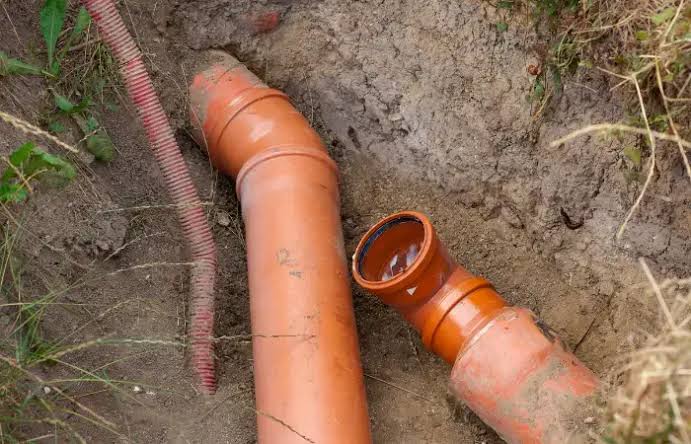
A properly functioning sewer system is essential for maintaining a clean, comfortable, and sanitary property. Every time a toilet is flushed, a sink is drained, a shower is used, or a washing machine completes its cycle, wastewater must travel safely through the plumbing network and reach the appropriate disposal system. This process depends on properly installed and maintained drainage pipes that can carry wastewater away without blockages, leaks, or interruptions. When problems develop within underground or interior drainage pipes, they can affect multiple fixtures, create unpleasant odors, and potentially expose a property to unsanitary conditions. Because much of the drainage network remains hidden beneath floors, behind walls, or underground, developing problems are not always immediately visible. Regular inspections, responsible household habits, and timely professional repairs can help prevent minor drainage concerns from becoming extensive plumbing emergencies. Understanding how sewer systems operate, what causes damage, and which warning signs deserve attention allows property owners to protect their plumbing infrastructure and maintain a healthier indoor environment.
How Sewer Systems Work
A residential sewer system is designed to transport wastewater from different fixtures toward a municipal sewer connection or an appropriate private treatment system. Drainage pipes collect wastewater from toilets, sinks, bathtubs, showers, laundry equipment, and other plumbing fixtures before directing it through larger sections of the drainage network. Gravity plays an important role in this process because properly installed pipes generally rely on suitable slopes to move wastewater efficiently. Drainage systems also use vents to help regulate air pressure and support smooth movement through the pipes. When these components work together correctly, wastewater can leave the property without causing recurring backups, slow drains, or unpleasant odors.The performance of the drainage network depends on several factors, including pipe dimensions, installation quality, material condition, proper connections, and the absence of significant obstructions. A small restriction inside an individual drain may initially affect only one fixture, but a blockage within a shared drainage section can interfere with several areas of the property. For example, a problem in a larger underground pipe may cause water to back up through a bathtub or floor drain when a toilet is flushed or a washing machine releases wastewater. Understanding the layout of the system helps plumbers determine where a problem is developing and which repair method is appropriate. A professional evaluation is especially important when several fixtures begin showing similar symptoms because the issue may involve a shared drainage pipe rather than separate fixture problems.
Common Causes of Sewer Problems
One of the most frequent causes of drainage trouble is the accumulation of materials that should not enter household pipes. Grease, cooking oils, food particles, sanitary products, wipes, paper towels, and other inappropriate materials can collect inside pipes and gradually restrict wastewater movement. Grease is particularly problematic because it may enter the plumbing system in liquid form but become thicker as it cools. As it sticks to pipe walls, it can trap additional debris and create a growing obstruction. Even products labeled as flushable may fail to break down quickly enough to move safely through residential drainage systems. Encouraging responsible disposal habits can significantly reduce the likelihood of blockages and help preserve the condition of drainage pipes.
Tree roots are another major source of underground pipe damage. Roots naturally grow toward moisture and may enter small openings around pipe joints, cracks, or deteriorated connections. Once inside, they can continue growing and collect debris, gradually creating a restriction that interferes with wastewater movement. In some cases, roots may damage the pipe itself, causing cracks, separation, or repeated blockages. Older underground drainage systems can be especially vulnerable because their joints and materials may have deteriorated over time. Professional inspection can help identify root intrusion and determine whether mechanical removal, pipe repair, or replacement is necessary. Treating the visible blockage without addressing the damaged entry point may allow roots to return, making a complete assessment important for long-term results.Aging materials, shifting soil, and ground movement can also contribute to underground drainage problems. Pipes may crack, sag, separate, or become misaligned as the surrounding ground changes. A sagging section, sometimes called a belly, creates an area where wastewater and solid material can collect instead of moving through the system efficiently. Over time, this accumulation may cause recurring blockages and unpleasant odors. Corrosion can also weaken certain pipe materials, while repeated exposure to moisture and environmental conditions may gradually affect joints and connections. Because these problems occur below ground, they often require specialized inspection equipment to identify the affected section accurately before repairs begin.
Warning Signs of Drainage Damage
Recognizing early warning signs can help prevent serious plumbing disruptions. Slow drainage is one of the most common symptoms, particularly when multiple fixtures begin draining more slowly than usual. A sink that takes several minutes to empty may have a local obstruction, but slow drainage in several bathrooms or throughout the property may indicate a larger problem within the main drainage network. Gurgling sounds from toilets, sinks, and floor drains can also suggest that air is moving abnormally through the pipes because wastewater is encountering a restriction. These sounds should not automatically be treated as harmless plumbing noises, especially when they occur alongside recurring backups or unpleasant smells.Unpleasant odors are another warning sign that should be investigated. A properly functioning drainage system is designed to carry wastewater away while preventing sewer gases from entering occupied areas. When a pipe becomes damaged, a connection separates, or a venting component stops working correctly, unpleasant smells may become noticeable near drains, bathrooms, utility rooms, or outdoor drainage access points. Persistent odors can indicate a plumbing issue even when there is no visible water leakage. In some situations, the problem may involve a dry trap or ventilation issue rather than a damaged underground pipe, which is why professional diagnosis is important. Identifying the source allows the appropriate repair to be completed instead of relying on temporary measures that only mask the smell.Repeated backups are among the most serious signs of a drainage problem. When wastewater rises through a bathtub, shower drain, toilet, or floor drain, it may indicate that water cannot move freely through a shared section of the plumbing network. A blockage close to the main outlet can affect multiple fixtures, while a damaged or collapsed pipe may prevent normal drainage altogether. Wastewater backups should be treated promptly because contaminated water can damage flooring, walls, furniture, and personal belongings while creating sanitation concerns. Property owners should avoid repeatedly flushing toilets or running large amounts of water when a significant backup is occurring. Professional assistance can help identify the cause and restore safe drainage.
The Importance of Professional Inspections
Professional inspections are valuable because underground drainage problems cannot always be diagnosed through visible symptoms alone. A plumber may begin by examining accessible cleanouts, drainage fixtures, and exposed connections to understand how the system is behaving. If the problem appears to involve an underground pipe, a specialized inspection camera can be inserted into the drainage network to examine its internal condition. This equipment allows the plumber to identify obstructions, root intrusion, cracks, pipe separation, corrosion, and other structural concerns without immediately excavating the property. Camera inspections also help determine the location and severity of a problem, making it easier to recommend an appropriate repair strategy.Accurate diagnosis is important because different drainage problems require different solutions. A simple accumulation of debris may be removed through professional drain cleaning, while root intrusion may require mechanical cutting and further assessment of the damaged pipe. A collapsed section or major structural defect may need more extensive repair or replacement. Without identifying the actual cause, repeated attempts to clear the same blockage may provide only temporary improvement. Professional inspections help property owners understand whether the issue is isolated or part of a larger deterioration problem. They also provide useful information when planning renovations, purchasing an older property, or evaluating the condition of an existing plumbing system.
Effective Cleaning and Blockage Removal
Professional cleaning can restore drainage performance when obstructions prevent wastewater from moving through pipes properly. The appropriate cleaning method depends on the type of blockage, pipe material, pipe condition, and location of the restriction. Mechanical drain-cleaning equipment can remove certain accumulations, including debris and some root intrusions, while specialized cleaning methods may help clear grease and buildup from suitable pipe systems. Hydro jetting uses high-pressure water to remove certain deposits from the interior of pipes, but it must be used carefully and only when the pipe condition and material are appropriate. Applying excessive force to fragile, cracked, or deteriorated piping may worsen existing damage, which is why an inspection should guide the cleaning approach.Clearing a blockage is not always the same as resolving the underlying problem. If grease repeatedly enters the drainage system, improved disposal habits may be necessary to prevent future accumulation. If roots continue entering through damaged joints, the pipe may need structural repair after the obstruction is removed. A sagging section may require correction because debris can continue collecting in the same area even after professional cleaning. Effective service should therefore focus on restoring drainage while identifying conditions that could cause the problem to return. This approach provides better long-term reliability than repeatedly treating the same symptoms without investigating their source.
Repairing Damaged Pipes
When an underground drainage pipe develops a crack, separation, or other structural defect, cleaning alone may not provide a lasting solution. Damaged pipes can allow wastewater to escape into surrounding soil, creating unpleasant odors, ground contamination, and potential property damage. They may also allow soil and other materials to enter the system, gradually creating obstructions that interfere with normal drainage. The appropriate repair depends on the extent of the damage, the pipe material, its accessibility, and the surrounding property conditions. A professional plumber can assess these factors and recommend whether a localized repair, pipe lining, or full replacement is more suitable.Some damaged sections may be repaired using trenchless methods, depending on the pipe’s condition and configuration. Pipe lining involves installing a suitable liner inside an existing pipe to create a renewed internal surface, while pipe bursting may allow an old underground pipe to be replaced by pulling a new pipe into position. These methods can sometimes reduce the amount of excavation required compared with traditional replacement. However, trenchless techniques are not appropriate for every situation. A severely collapsed pipe, an unsuitable alignment, or extensive structural damage may require conventional excavation to complete a reliable repair. The most appropriate method should be selected after a thorough inspection rather than assuming that one technique will work for every property.
Preventing Future Sewer Problems
Preventive care can make a significant difference in the condition and reliability of residential drainage systems. One of the simplest ways to reduce blockages is to avoid disposing of grease, cooking oil, food scraps, wipes, paper towels, and hygiene products through household drains or toilets. Kitchen sinks should be used responsibly, and suitable strainers can help prevent food particles from entering drainage pipes. Bathroom drains can also benefit from hair-catching covers that reduce the amount of material moving into the plumbing network. These small habits help limit the accumulation of debris and reduce the likelihood of recurring obstructions.
Regular inspections are particularly useful for older properties and buildings with a history of drainage trouble. A professional can examine accessible components, check for signs of root intrusion, and recommend camera inspection when symptoms suggest a possible underground problem. Property owners should also pay attention to changes in drainage performance rather than waiting until a complete blockage occurs. Recurring slow drains, gurgling noises, unpleasant smells, or occasional backups may indicate that a developing restriction needs attention. Addressing these warning signs early can help prevent more extensive repairs and reduce the possibility of wastewater entering occupied areas.Landscaping decisions can also influence the long-term condition of underground pipes. Trees and large shrubs should be planted with consideration for existing drainage routes because growing roots naturally seek moisture. Before adding substantial landscaping or completing excavation work, property owners should understand where underground utilities and drainage pipes are located. This can reduce the risk of accidental damage and help avoid planting vegetation directly above vulnerable pipe sections. When root intrusion has already occurred, removing the visible roots may not be enough because the damaged pipe opening can allow new growth to enter. A professional assessment can help determine whether additional repairs are necessary to prevent repeated problems.
Why Proper Installation Matters
The long-term performance of a drainage network begins with correct installation. Pipes must be appropriately sized, supported, connected, and positioned to allow wastewater to move efficiently toward the main outlet. Incorrect slope can cause wastewater to move too slowly or allow solids to accumulate, while poorly aligned connections may create areas where debris becomes trapped. Improper joints can also become vulnerable to leaks, root intrusion, and separation as the surrounding soil changes. Professional installation takes these factors into account and helps create a drainage system that can handle normal household use.Material selection is another important consideration when installing or replacing drainage pipes. Different pipe materials have different characteristics related to durability, corrosion resistance, flexibility, and suitability for particular applications. The right choice depends on local requirements, the installation environment, the system design, and the expected demands of the property. Using unsuitable materials or combining incompatible components can create weaknesses that affect the system over time. Professional planning helps ensure that pipes, fittings, connectors, and other components work together correctly. Proper installation also makes future inspection and maintenance more manageable, supporting dependable drainage throughout the life of the plumbing system.
When Replacement Is the Better Option
Although many drainage problems can be resolved through cleaning or localized repairs, some systems become too deteriorated for repeated maintenance to remain practical. Older pipes may contain several cracks, weakened joints, widespread corrosion, or sections that have shifted significantly. If the same blockage returns frequently despite professional cleaning, the issue may involve a structural defect rather than an ordinary accumulation of debris. Repeatedly clearing the obstruction without correcting the damaged section can lead to continued service interruptions and higher maintenance expenses. In these circumstances, replacing the affected pipe or a larger section of the drainage network may provide a more dependable long-term solution.The decision to replace piping should be based on a careful assessment of its condition and the likely benefits of different repair options. A camera inspection can help identify the extent of deterioration, while a professional evaluation can consider the pipe’s age, material, accessibility, and repair history. Localized replacement may be sufficient when damage is limited to one section, but widespread deterioration may justify a more comprehensive upgrade. Property owners should receive a clear explanation of the available options, expected work, and possible disruption before making a decision. A properly planned replacement can improve drainage reliability and reduce the likelihood of recurring problems associated with aging infrastructure.
Choosing Reliable Plumbing Professionals
Drainage problems can affect several areas of a property and may involve conditions that are difficult to identify without specialized equipment. Choosing an experienced plumbing professional helps ensure that inspections, cleaning, and repairs are completed using suitable methods. A knowledgeable plumber can evaluate drainage symptoms, inspect accessible pipes, perform camera assessments when necessary, and explain the difference between temporary blockage removal and structural repair. This level of evaluation is especially important when recurring problems suggest that an underground pipe may be cracked, misaligned, or affected by root intrusion.Reliable service should focus on both immediate performance and the long-term condition of the drainage network. Before beginning major work, property owners should understand what has been identified, which repair methods are available, and why a particular solution is being recommended. Professional guidance can help avoid unnecessary excavation, repeated cleaning expenses, and repairs that fail to address the underlying problem. Property owners looking for dependable plumbing assistance can explore the services offered by sewer lines to learn more about professional plumbing solutions and maintaining reliable drainage systems. Timely attention from qualified professionals can help restore proper wastewater movement while protecting the property from preventable plumbing damage.
Conclusion
A properly maintained drainage system is essential for protecting property hygiene, supporting everyday convenience, and preventing wastewater-related damage. Blockages, tree root intrusion, aging pipes, shifting soil, and damaged connections can all interfere with normal drainage and create problems that become more serious when ignored. Recognizing early warning signs such as slow drains, gurgling sounds, unpleasant odors, and recurring backups allows property owners to seek professional assistance before the situation becomes more disruptive. Regular inspections, responsible disposal habits, suitable cleaning methods, and timely repairs all contribute to better plumbing performance. When pipes have suffered extensive deterioration, professional replacement may offer a more reliable solution than repeatedly clearing the same obstruction. By giving proper attention to the condition of the drainage network and addressing concerns promptly, property owners can maintain a cleaner environment, reduce unexpected repair costs, and protect the long-term reliability of their plumbing systems.