
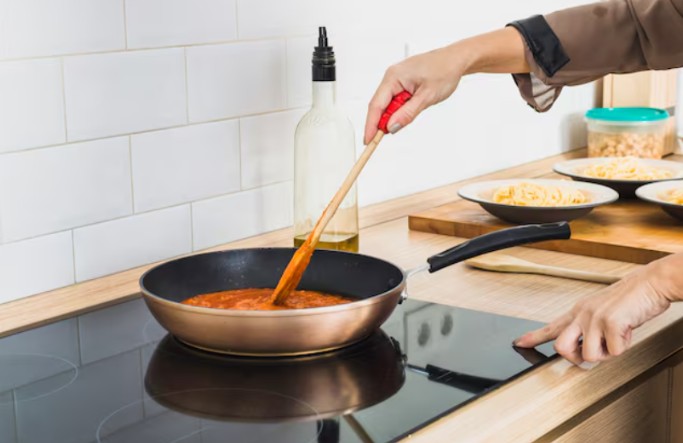
A well-designed kitchen needs appliances that make everyday cooking easier while complementing the overall look of the space. One of the most important is the cooker hob, which provides a dedicated surface for preparing meals and allows users to manage different cooking tasks. From boiling water and frying vegetables to preparing slow-cooked dishes, the right hob can make a noticeable difference in convenience, speed, and cooking results.
Modern cooker hobs are available in several designs, each offering different benefits depending on how a household prepares food. Some people prefer the familiar control of a gas flame, while others choose electric or induction models for their appearance and advanced features. Understanding these options can help homeowners select a hob that suits their cooking habits, kitchen layout, and budget.
Understanding the Different Types of Cooker Hobs
Gas hobs remain a popular choice in many homes because they provide direct and responsive heat. Users can adjust the flame immediately, making it easier to move between high and low temperatures while cooking. The visible flame also gives cooks a clear indication of the heat level, which can be helpful when preparing dishes that require careful temperature control.
Another advantage of gas hobs is their compatibility with a wide range of cookware. Pots and pans made from different materials can generally be used without special requirements. However, gas models need a suitable gas connection and proper ventilation. They also require regular cleaning because food spills and grease can collect around the burners and pan supports.
Ceramic hobs offer a different approach, combining electric heating with a smooth glass surface. Their flat design creates a clean, modern appearance that works well in contemporary kitchens. Since there are fewer raised components, wiping away spills and everyday dirt is usually straightforward once the surface has cooled.
These hobs use heating elements beneath the glass to warm the cooking area. They can accommodate many types of cookware, although heating and cooling may take longer compared with some other options. Users should also take care when cleaning the surface to avoid scratches and damage.
Induction hobs are known for their modern technology and efficient heating method. Instead of heating the cooking surface directly, they use electromagnetic energy to generate heat within compatible cookware. This allows pots and pans to heat quickly while the surrounding surface generally remains cooler than it would with traditional electric heating.
One important consideration is cookware compatibility. Induction models require pots and pans with magnetic bases, so some existing cookware may need to be replaced. Although induction hobs can have a higher initial purchase price, their responsive heating and efficient operation make them appealing to households that value convenience and modern performance.
Electric coil hobs provide a more traditional alternative. They use exposed or raised metal heating elements to transfer heat to cookware. These models are often straightforward to operate and can be less expensive than some newer designs. However, their appearance may not suit every modern kitchen, and cleaning around the coils can require additional effort.
Important Features to Consider Before Buying
Choosing a cooker hob involves more than deciding between gas and electricity. Its size, controls, safety functions, and available cooking zones should also match the needs of the household. A model that looks attractive may not be practical if it does not provide enough room for the pots and pans used regularly.
The number and arrangement of burners or cooking zones are particularly important. Smaller households may find a compact hob sufficient, while larger families or people who prepare several dishes at once may benefit from a wider model. Homeowners should measure the available countertop space carefully and check the required installation dimensions before purchasing.
Control systems also influence everyday convenience. Traditional knobs provide familiar operation, particularly on gas hobs, while touch controls create a cleaner appearance on many electric and induction models. Some advanced options offer separate power settings, timers, and automatic programmes that help users manage cooking more accurately.
Safety features deserve equal attention. Gas hobs may include flame failure protection, which stops the gas supply if the flame goes out unexpectedly. Induction models often have automatic pan detection and overheating protection, while child locks can help prevent accidental changes to the settings. The available functions differ between manufacturers, so buyers should review the specifications of each model.
Energy Consumption and Everyday Efficiency
Energy efficiency is another factor worth considering when comparing cooker hobs. Different technologies use energy in different ways, and actual consumption depends on the model, cooking duration, cookware, and household habits.
Induction hobs are generally considered efficient because they transfer energy directly to compatible cookware. Less heat is lost to the surrounding air compared with conventional cooking methods. Their ability to heat pans quickly can also reduce the time needed for certain tasks.
Gas hobs offer responsive temperature control, but some of the heat produced by the flame escapes around the cookware. Their environmental impact also depends on the type of gas used and the energy source involved. Electric ceramic hobs provide a convenient alternative, although their heating elements may take longer to reach the desired temperature.
When comparing models, homeowners should look beyond general efficiency claims. Checking product specifications, power requirements, and installation costs can provide a clearer picture of the long-term expenses associated with each option.
Keeping Your Cooker Hob Clean and Well Maintained
Regular cleaning helps maintain the appearance and performance of a cooker hob. The cleaning method depends on its surface and construction, so following the manufacturer’s instructions is important. Using unsuitable products or abrasive tools can damage certain materials, particularly glass surfaces.
Ceramic and induction hobs are usually easier to wipe down because they have flat cooking surfaces. Spills should be removed once the hob has cooled sufficiently, using a soft cloth and a suitable cleaning product. Stubborn marks may require a cleaner specifically designed for glass cooking surfaces.
Gas hobs need attention around the burners, caps, and pan supports. These components can collect grease and food residue over time. They should be cleaned carefully and returned to their correct positions after drying. Electric coil models may also need occasional cleaning around the heating elements, following the manufacturer’s safety guidance.
Maintenance should include more than surface cleaning. Gas connections and electrical components should be checked by qualified professionals when necessary. Keeping ventilation openings clear and addressing unusual smells, sounds, or performance changes promptly can also help prevent avoidable problems.

New Technology and Smarter Cooking Experiences
Cooker hob technology continues to develop, with manufacturers introducing features designed to improve convenience, control, and safety. Some models now include touchscreens, digital timers, adjustable cooking zones, and more precise temperature settings. These functions can make it easier to manage different dishes without constantly monitoring every cooking area.
Smart features are also becoming available in selected models. Depending on the product, users may be able to connect the hob to a compatible home system or control certain functions through a mobile application. These features are not available on every appliance, so buyers should check connectivity requirements and compatibility before making a decision.
Other developments focus on improving heat distribution and reducing cooking risks. Certain gas models feature specialised burners designed for different cookware sizes, while some induction hobs can automatically adjust heating areas to match compatible pans. Safety functions such as child locks, automatic shut-off, and overheating detection are also increasingly important in family kitchens.
Making the Best Choice for Your Kitchen
The best cooker hob depends on the way a household cooks and the features it needs most. Gas models remain suitable for people who prefer visible flames and immediate temperature adjustments. Ceramic hobs appeal to homeowners who want a smooth, easy-to-clean surface, while induction models offer fast heating and modern controls. Electric coil hobs continue to provide a straightforward option for those who prefer traditional appliances.
Before making a purchase, consider the available kitchen space, cookware compatibility, installation requirements, safety functions, and expected running costs. It is also worth checking the warranty and after-sales support offered by the manufacturer.
A cooker hob is an appliance that will likely be used every day, so choosing one should involve more than appearance or price alone. By comparing the available technologies and understanding their practical differences, homeowners can find a model that supports their cooking routines and fits naturally into their kitchen. The right choice can make meal preparation more convenient while providing reliable performance for years to come.