
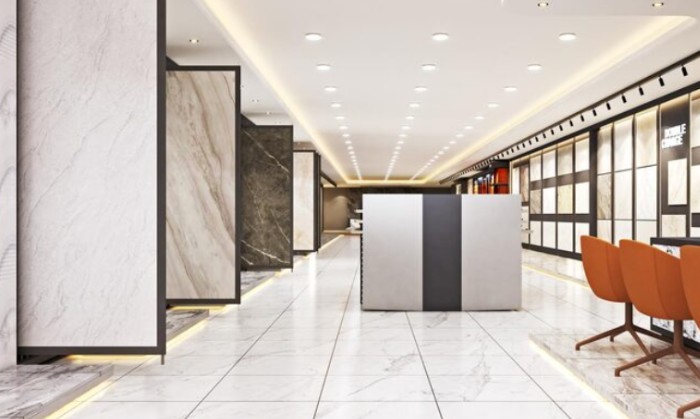
Flooring plays an important role in shaping the appearance and comfort of any interior space. The right material can make a room feel brighter, more spacious, and easier to maintain. Among the options gaining attention in modern homes and commercial properties are large format floor tiles. Their generous dimensions, clean appearance, and wide range of finishes make them a practical choice for people who want a contemporary look without sacrificing everyday functionality.
Unlike traditional smaller tiles, large format tiles cover more surface area with fewer individual pieces. This creates a more continuous appearance that works well in open-plan living areas, kitchens, bathrooms, and other interior spaces. Suppliers such as Futar Singapore offer different tile designs and finishes, giving homeowners and designers more ways to match flooring with their preferred interior style.
Creating a More Spacious and Seamless Interior
One of the main reasons large format tiles have become popular is their ability to create a sense of visual continuity. Smaller tiles require more grout lines, which can make a floor appear divided into multiple sections. Larger tiles reduce these interruptions, allowing the flooring to look more uniform and organised.
This effect can be especially useful in compact rooms. When there are fewer visible lines across the floor, the space may appear less crowded and more open. Light-coloured tiles can strengthen this impression by reflecting more natural and artificial light throughout the room. Neutral shades such as beige, grey, and soft white are also easy to coordinate with different furniture styles and decorative elements.
In larger interiors, these tiles can help connect separate areas through a consistent flooring design. For example, using the same tile finish in a living room and dining area can create a smoother transition between the spaces. This approach is particularly suitable for modern homes that favour open layouts and simple visual details.
Design Options for Different Spaces
Large format tiles are available in a variety of colours, patterns, textures, and finishes. This makes them suitable for more than minimalist interiors. Homeowners can choose designs that create a bold statement or select understated finishes that complement existing furniture and wall colours.
Some tiles are designed to resemble natural stone, giving interiors a refined appearance without necessarily requiring the upkeep associated with certain natural materials. Others imitate timber, concrete, or marble, allowing designers to achieve different visual effects while using a consistent flooring material.
Their applications are not limited to floors either. Large format tiles can also be installed on selected walls to create feature areas in living rooms, bathrooms, and kitchens. A large stone-effect tile behind a bathroom vanity, for example, can become a focal point without relying on several smaller decorative pieces. When used on walls, the tiles can also help create a coordinated look between different parts of a room.
However, the finish should always suit the intended application. Textured or slip-resistant surfaces may be more appropriate for certain wet areas, while polished finishes can work well in spaces where appearance is the main consideration. The manufacturer’s specifications should guide the final choice.
Choosing the Right Tile Material
The material used in large format tiles affects their durability, maintenance needs, and suitability for different environments. Porcelain is a common option because it is generally dense, durable, and less porous than many other tile materials. These qualities make it suitable for areas exposed to moisture, including bathrooms and kitchens, provided the selected product is designed for the intended use.
Ceramic tiles offer another option, often with a broad selection of colours and patterns. They can be suitable for many residential applications and may provide a more affordable alternative to certain porcelain products. However, their strength and water absorption characteristics vary, so buyers should compare the specifications before choosing a particular tile.
Natural stone provides distinctive patterns and textures that cannot always be replicated by manufactured materials. Marble, granite, and other stone options can add character to an interior, but they may require sealing and more careful maintenance. Some types are also more sensitive to stains, scratches, or certain cleaning products.
The best material depends on the room, expected foot traffic, moisture exposure, and available maintenance routine. A tile that works well in a bedroom may not be the most suitable option for a frequently used kitchen or bathroom.
Why Professional Installation Matters
Although large format tiles can create an impressive finish, their installation requires careful preparation. Their size and weight can make them more difficult to transport, position, and cut than standard tiles. Installers must also ensure that the layout is planned properly to avoid awkward cuts around doorways, corners, and fixtures.
Surface preparation is especially important. The floor or wall beneath the tiles must be sufficiently flat, stable, and suitable for the selected installation system. Uneven areas can lead to problems such as lippage, where the edges of neighbouring tiles sit at different heights. In some cases, poor preparation may also increase the risk of cracking or loose tiles.
The correct adhesive, application method, and grout selection are equally important. Large format tiles may require specific installation materials and techniques to support proper contact between the tile and substrate. Professional installers understand these requirements and can help reduce mistakes that may affect the final appearance or long-term performance.
Planning should also include the tile layout, grout spacing, and location of movement joints where required. These details may not be immediately noticeable after installation, but they contribute to a more reliable finish.
Selecting Tile Colours and Grout
Colour is an important part of choosing flooring because it affects how the entire room looks and feels. Light shades can make interiors appear brighter and more open, making them a popular choice for smaller rooms or spaces with limited natural light. Darker colours can create contrast and add depth, particularly when paired with lighter walls and furniture.
The tile finish also matters. Glossy surfaces can reflect light and create a polished appearance, while matte finishes provide a softer look that may suit more understated interiors. In areas where floors can become wet, buyers should check the product’s slip-resistance rating rather than choosing based on appearance alone.
Grout colour deserves attention as well. A grout shade close to the tile colour can make the surface appear more continuous, while a contrasting shade highlights the tile layout. Although large format tiles reduce the number of grout lines, the joints still need proper installation and regular care to maintain their condition.
Maintenance, Durability, and Long-Term Value
Large format tiles are often considered practical because they can be relatively easy to maintain. With fewer grout joints, there may be fewer areas where dirt and grime can collect. Regular sweeping or vacuuming, followed by cleaning with a suitable product, can help keep the surface looking presentable.
Maintenance requirements depend on the material and finish. Porcelain and ceramic tiles generally need less specialised care than natural stone, which may require sealing and cleaning products designed for its surface. Homeowners should avoid harsh chemicals or abrasive tools unless the manufacturer confirms they are suitable.
Although some large format tiles have a higher purchase and installation cost, their durability may provide long-term value. The total project budget should include more than the price per tile. Delivery, cutting, substrate preparation, adhesives, grout, labour, and possible wastage can all affect the final expense. Comparing these costs before starting a renovation helps prevent unexpected spending.
Considering Sustainability and Comfort
Sustainability is becoming an important part of renovation decisions. Some tile manufacturers use recycled materials or production methods intended to reduce environmental impact. Buyers interested in these options can review product information and look for recognised environmental certifications where available.
Tiles can also work well with compatible underfloor heating systems. Materials such as porcelain and ceramic transfer heat effectively, helping distribute warmth across the floor. However, the heating system, tile thickness, adhesive, and installation method must be compatible to ensure proper performance.
Finding the Right Fit for Your Interior
Large format floor tiles offer a combination of clean design, practical maintenance, and flexibility that suits many modern interiors. Their ability to reduce visible grout lines can help create a more connected appearance, while the range of available materials and finishes makes it easier to match different design preferences.
Before choosing, consider the room dimensions, intended use, surface requirements, and overall renovation budget. The right tile should not only look attractive but also perform well under everyday conditions. With careful product selection and professional installation, large format tiles can provide a durable and visually balanced foundation for a home or commercial space.