
Changes in hair density and hairline shape can affect how people feel about their appearance. A receding hairline, thinning areas, or an uneven hairline may become more noticeable over time, leading some individuals to explore cosmetic treatments. While hair transplants and other restoration methods remain available, not everyone wants to undergo surgery. Hairline embroidery offers another option by creating the appearance of fuller hair through carefully applied scalp pigmentation.
Also known as scalp micropigmentation (SMP), this treatment uses small pigment deposits to imitate the look of natural hair follicles. The result can make the hairline appear more defined and reduce the visibility of thinning areas. Studios such as Monostudio offer this type of aesthetic service for individuals who want to improve their hairline without undergoing a surgical procedure. Understanding how the treatment works, what results to expect, and how to maintain them can help people decide whether it suits their needs.
Understanding the Technique Behind Hairline Embroidery
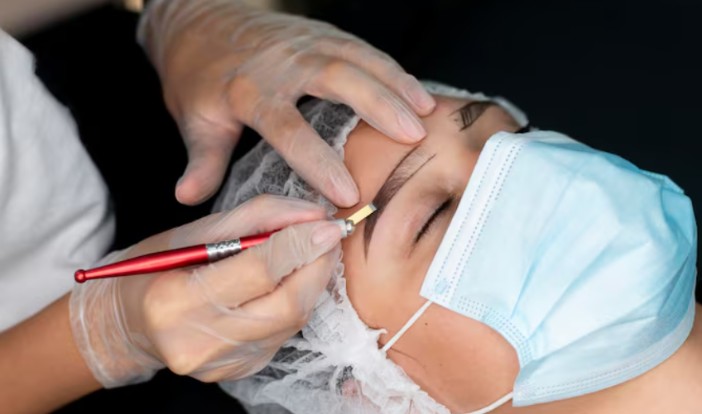
Hairline embroidery is a cosmetic pigmentation procedure that creates tiny impressions on the scalp to resemble individual hair follicles. A trained practitioner uses specialised equipment and fine needles to deposit pigment into the appropriate layer of the skin. When applied with the correct spacing, shade, and depth, these impressions can create the appearance of closely cropped hair.
Unlike a traditional tattoo, scalp micropigmentation requires a technique specifically suited to the scalp. The practitioner must consider the natural direction, density, and colour of the client’s existing hair to achieve a balanced appearance. Pigment placement also needs to be controlled carefully so that the dots look like natural follicles rather than obvious marks on the skin.
The treatment is often suitable for people with receding hairlines, thinning crowns, or areas where the scalp is more visible. It can also help individuals with naturally uneven hairlines achieve a more symmetrical appearance. However, the final result depends on the person’s hair condition, skin characteristics, and desired style.
Why People Consider This Non-Surgical Option
One of the main reasons people choose hairline embroidery is that it does not involve surgically moving hair follicles from one part of the scalp to another. Instead, it focuses on improving the appearance of the scalp through pigmentation. This makes it an option for individuals who prefer a cosmetic approach without the recovery process associated with hair transplant surgery.
The procedure can also be adapted to different levels of hair thinning. Someone with a closely shaved hairstyle may want a defined hairline that resembles natural short hair growth. Another person with longer hair may prefer pigmentation that reduces the contrast between their hair and visible scalp. These different goals require different application techniques and levels of pigment density.
Another advantage is the ability to customise the design. Rather than applying the same hairline shape to every client, a practitioner can consider facial proportions, existing hair growth, and personal preferences. This helps create a result that looks more appropriate for the individual.
It is important to understand that hairline embroidery does not produce actual hair growth. The pigment creates an optical effect, so it will not restore lost follicles or increase the physical thickness of existing hair.
What Happens During a Hairline Embroidery Session
The process usually begins with a consultation. During this stage, the practitioner examines the scalp, discusses the client’s concerns, and identifies the areas that need attention. The desired hairline shape, pigment colour, and overall level of density are also discussed before treatment begins.
Designing the hairline is an important part of the process. A hairline that sits too low or has an overly straight shape may look unnatural. Experienced practitioners consider the client’s facial structure and existing hair pattern when planning the design. The goal is to create a balanced appearance rather than simply making the hairline as full or as low as possible.
Once the design has been agreed upon, the practitioner begins applying small pigment deposits using specialised equipment. The work is performed carefully across the selected areas to build the desired appearance. Depending on the extent of the treatment and the result being targeted, multiple sessions may be needed. This allows the practitioner to gradually develop density and make adjustments as the scalp responds to the pigmentation.
The number of sessions and the time required can vary between individuals. Clients should discuss the expected schedule, possible discomfort, and healing period during their initial consultation.
Personalising the Hairline for a Natural Appearance
A successful result depends heavily on how well the treatment matches the client’s natural features. Hairline shape is one of the most important considerations because it influences the overall appearance of the face. Some people prefer a soft, slightly irregular hairline that resembles natural growth, while others may want a more defined outline.
Pigment selection is equally important. The colour should complement the client’s existing hair and skin tone without appearing too dark or artificial. Practitioners must also consider how pigment may change as the skin heals and over time.
Density needs to be planned carefully as well. Applying too much pigment in a small area can make the result appear overly solid, while insufficient coverage may not provide the desired effect. A gradual approach can help create a more natural-looking finish, particularly when working around existing hair.
Expected Results and How Long They Last
Hairline embroidery can create a noticeable difference in the appearance of thinning areas. By adding the visual impression of closely spaced follicles, it can make the hairline look fuller and reduce the contrast between the scalp and surrounding hair.
People with short hairstyles may find the treatment particularly useful because the pigment can imitate the appearance of freshly shaved hair. Individuals who keep their hair longer may also benefit from the reduced visibility of the scalp in certain areas.
Results are generally long-lasting, but they are not permanent in the same way as natural hair follicles. Pigment gradually fades as the skin changes and renews itself. The rate of fading varies depending on factors such as skin type, sun exposure, lifestyle, pigment quality, and aftercare.
Some clients may choose maintenance sessions after a few years to refresh the colour or improve areas where the pigmentation has faded. The timing should be based on the condition of the existing results and the practitioner’s assessment.
Choosing an Experienced Practitioner
The quality of hairline embroidery depends greatly on the skill and experience of the person performing the treatment. Scalp micropigmentation requires more than the ability to operate pigmentation equipment. Practitioners need an understanding of scalp anatomy, colour selection, hairline design, and proper application techniques.
Before choosing a studio, clients should review examples of previous work and ask about the practitioner’s training and experience. Before-and-after photographs can help show how the treatment looks on different hair types and skin tones. It is also worth asking about hygiene procedures, equipment sterilisation, pigment quality, and the studio’s approach to consultations.
A reputable practitioner should explain what the procedure can realistically achieve and whether the client’s expectations are suitable. They should also discuss potential risks, including irritation, infection, allergic reactions, and unsatisfactory pigment results. Anyone with an existing scalp condition or concerns about skin sensitivity should seek appropriate professional advice before proceeding.
Preparing for Treatment and Following Aftercare Instructions
Preparation can help make the treatment process more comfortable. Clients should follow the studio’s specific instructions, which may include avoiding excessive sun exposure and certain scalp products before the appointment. Arriving with a clean scalp and discussing any relevant skin sensitivities or medications can also help the practitioner plan the session appropriately.
After treatment, the scalp needs time to recover. Clients are commonly advised to avoid activities that cause excessive sweating, direct sun exposure, swimming, and unnecessary contact with the treated area during the initial healing period. The exact restrictions depend on the procedure and the practitioner’s instructions.
Scratching, rubbing, or using harsh cleansing products on the treated area should be avoided while the skin heals. Following the recommended aftercare routine can help protect the pigmentation and reduce the chance of irritation. If unusual swelling, increasing pain, or signs of infection develop, medical advice should be sought.
A Modern Option for Improving Hairline Appearance
Hairline embroidery provides an alternative for people who want to improve the appearance of thinning hair or an uneven hairline without surgery. Through careful pigment placement and personalised design, scalp micropigmentation can create the impression of fuller, more defined hair.
However, it is important to approach the treatment with realistic expectations. It does not regrow hair, and the quality of the outcome depends on practitioner expertise, individual scalp characteristics, and proper aftercare. By researching suitable studios, discussing personal goals, and understanding the maintenance involved, clients can make a more informed decision about whether hairline embroidery is the right cosmetic solution for them.