
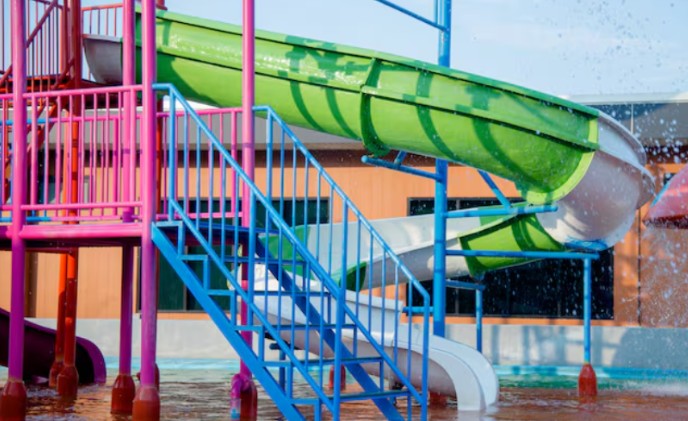
Water parks are popular destinations for families, tourists, and thrill-seekers looking for entertainment and relaxation. Behind every exciting water slide, wave pool, and interactive splash area is a detailed process that combines creative planning, engineering, and careful construction. Creating these attractions requires more than building structures that look impressive. Every feature must be designed to provide an enjoyable experience while meeting important safety and operational requirements.
A professional Water Park Manufacturing Company – From Design, Construction to Installation and Maintenance – Tailong International plays an important role in turning these ideas into complete recreational facilities. From the first design concept to the final installation, manufacturers coordinate different stages of development to create water parks that meet the needs of their clients. Their work brings together technical knowledge, suitable materials, modern equipment, and practical solutions that support long-term operation.
The Growing Importance of Innovation in Water Park Design
Water parks have changed significantly over the years. Traditional swimming pools and simple slides have developed into larger entertainment environments with attractions for visitors of different ages and interests. Modern facilities may include high-speed slides, wave pools, lazy rivers, children’s splash zones, and interactive water playgrounds.
This variety requires manufacturers to consider how each attraction will fit into the overall park experience. A family-oriented destination may focus on shallow pools and gentle water activities, while a larger resort may include more challenging rides for visitors seeking excitement. The design must balance these different needs without making the facility difficult to navigate or operate.
Computer-aided design software helps engineers and designers plan complex structures before construction begins. These tools allow them to create detailed layouts, review dimensions, and examine how individual attractions will fit within the available space. They can also help identify possible design issues early, reducing the need for costly changes during construction.
The creative side of planning is equally important. Themes, colours, landscaping, and the arrangement of attractions all contribute to the atmosphere of a water park. When these elements work together, the result feels like a complete destination rather than a collection of separate rides.
Selecting Materials for Strength and Long-Term Performance
Material selection is one of the most important parts of water park manufacturing. Attractions are exposed to constant moisture, sunlight, cleaning products, and chemicals used in water treatment. Materials must therefore be suitable for these conditions while providing the strength and durability required for regular use.
Fibreglass is commonly used in the construction of water slides because it can be moulded into different shapes and finished with smooth surfaces. Reinforced concrete is another important material, particularly for swimming pools, foundations, and large structural elements. Certain engineered polymers and protective coatings may also be used where their properties suit the application.
Each material has different advantages, so manufacturers need to consider the purpose of the structure, expected visitor traffic, local climate, and maintenance requirements. Choosing suitable materials at the beginning can help reduce future repair needs and support the attraction’s overall lifespan.
Construction quality also matters. Proper surface finishing, secure connections, and careful assembly help ensure that attractions perform as intended. Even a visually impressive ride can become difficult to maintain if the construction process does not account for practical operating conditions.
Construction Methods That Support Reliable Attractions
Building a water park involves several stages of work that must be coordinated carefully. The project may include preparing the site, constructing foundations, installing pools, assembling slides, and connecting water circulation systems. Each stage depends on accurate measurements and cooperation between different construction teams.
Large attractions often require specialised equipment and experienced installers. Water slides, for example, must be assembled according to their approved design specifications. Their supporting structures need to provide stability, while the slide sections must fit together correctly to create a consistent riding surface.
Water circulation is another essential consideration. Pumps, pipes, filters, and related equipment must be selected and installed to meet the requirements of each attraction. Wave pools and lazy rivers have different operating needs from ordinary swimming pools, so their systems must be planned accordingly.
Regular coordination between designers, engineers, manufacturers, and construction teams helps keep the project organised. It also allows technical concerns to be addressed before they affect the schedule or the quality of the finished facility.
Installation and Safety Testing Before Opening
Once construction is complete, installation and commissioning prepare the water park for operation. This stage involves checking mechanical equipment, hydraulic systems, electrical connections, and the overall condition of each attraction.
Water slides require particular attention because their shape, surface, joints, and transitions affect how visitors move through them. Engineers and technicians must verify that the ride has been installed according to its design and that its operating systems function correctly. Pumps and water delivery equipment also need to be checked to ensure they provide the required performance.
Safety is a central part of this process. Manufacturers and park operators must follow applicable local regulations, technical standards, and inspection requirements. Depending on the attraction, checks may cover structural stability, water depth, barriers, access points, emergency procedures, and operating controls.
Testing should take place before visitors are allowed to use the rides. Any issues identified during commissioning need to be addressed before the attraction opens. Clear operating procedures and proper staff training are also important because safe operation depends on both equipment condition and how the facility is managed.
Why Regular Maintenance and Support Matter
A water park requires ongoing attention after its opening day. Continuous use, weather exposure, and contact with treated water can gradually affect equipment and surfaces. Without proper maintenance, small problems may develop into larger repairs that interrupt operations.
Routine inspections help operators identify damaged surfaces, loose connections, worn components, leaks, and equipment performance issues. Water treatment systems also require regular monitoring to maintain appropriate water quality. Filters, pumps, and other mechanical equipment should be serviced according to manufacturer recommendations and operating requirements.
Maintenance planning should include both routine tasks and more detailed inspections. Keeping records of repairs, equipment checks, and replacement schedules helps management understand the condition of the facility and plan future expenses.
Manufacturers that provide post-installation support can help clients understand equipment requirements and address technical concerns. Tailong International, for example, presents its services around the different stages of water park development, including design, construction, installation, and maintenance. This type of support can help project owners manage their facilities beyond the initial construction period.
Technology Is Changing the Water Park Experience
Technology continues to create new opportunities for water park operators and manufacturers. Monitoring systems can help track equipment performance, water conditions, and operating information. Depending on the systems installed, sensors may alert staff when certain readings fall outside established operating limits, allowing them to investigate potential problems.
Digital tools can also support park management. Electronic ticketing, queue management, and visitor information systems may make it easier for guests to plan their activities and for staff to manage busy periods.
Some attractions are also exploring interactive features that combine water activities with lighting, sound, and digital storytelling. Augmented reality and other immersive technologies may add another layer of entertainment, although their use depends on the attraction’s design, budget, and operating environment.
These developments show that water park innovation is not limited to the physical construction of rides. It also includes the systems and experiences that make a facility more engaging and easier to manage.
Building More Sustainable Water Parks
Environmental responsibility has become an important consideration in recreational facility development. Water parks use considerable amounts of water and energy, making efficiency a practical concern for both manufacturers and operators.
Water recycling and filtration systems can help reduce unnecessary water consumption by treating and reusing water where appropriate. Efficient pumps, properly designed circulation systems, and energy-conscious equipment can also reduce electricity requirements. Some facilities may explore renewable energy options depending on their location and available resources.
Sustainable planning also involves selecting durable materials and designing equipment that can be maintained rather than frequently replaced. Landscaping choices, drainage planning, and responsible chemical management can further support environmental goals.
These measures need to be considered during the early design stages. Planning for efficiency from the beginning is often more practical than trying to introduce major changes after the facility has been built.
What the Future Holds for Water Park Manufacturing
The water park industry is likely to continue developing as visitors look for more varied and memorable experiences. Manufacturers may respond with attractions that combine creative themes, interactive technology, and flexible designs. Artificial intelligence and automated monitoring could also support certain operational tasks, although their effectiveness will depend on proper implementation and supervision.
Customisation will remain important as resorts, hotels, and independent park owners seek facilities that reflect their brands and target audiences. Successful projects will require cooperation between architects, engineers, equipment manufacturers, and operators.
Ultimately, modern water park manufacturing is about bringing together design, engineering, construction, and long-term care. Every attraction must contribute to the visitor experience while remaining practical to operate and maintain. With careful planning and responsible manufacturing, water parks can continue providing enjoyable destinations for families and communities while adapting to changing technology and environmental expectations.