
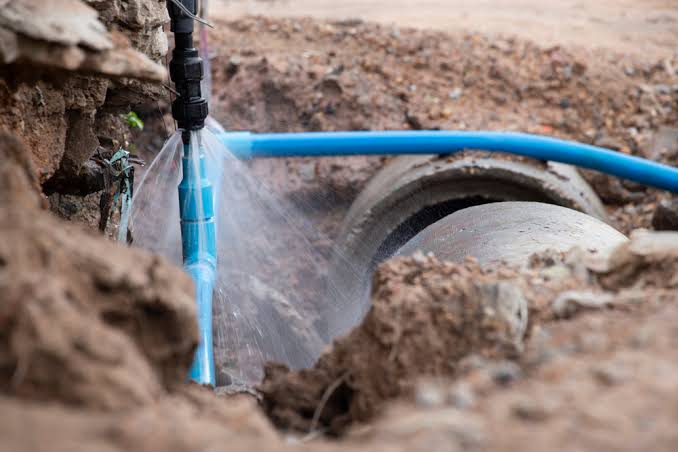
Sewer line problems can be among the most frustrating plumbing issues a homeowner faces. Unlike a dripping faucet or a clogged sink, a damaged sewer line can affect multiple fixtures, create unpleasant odors, and potentially expose a home to wastewater. Understanding the process of working with a sewer line repair in Northern Kentucky can help homeowners make informed decisions, avoid unnecessary expenses, and protect their properties from further damage.
Whether you live in Florence, Independence, Walton, Union, or another Northern Kentucky community, knowing what to expect from the sewer repair process makes a significant difference.
From the initial inspection to the final testing, professional sewer line repair involves several important steps. Here’s how the process typically works and what homeowners should consider before hiring a contractor.
Step 1: Recognizing When Sewer Line Repair May Be Necessary
The first step in addressing a potential sewer line problem is recognizing the warning signs. Sewer lines carry wastewater away from a home, and when something interferes with that process, the symptoms can appear throughout the plumbing system.
Common signs of sewer line trouble include:
- Multiple slow drains: When several sinks, showers, or toilets drain slowly, the problem may involve the main sewer line rather than an individual fixture.
- Recurring sewage backups: Wastewater backing up into tubs, showers, or basement drains can indicate a significant obstruction.
- Unpleasant sewer odors: Persistent sewage smells inside or outside the home may indicate a damaged pipe, blocked vent, or another drainage issue.
- Gurgling plumbing fixtures: Unusual bubbling or gurgling noises can occur when air becomes trapped or displaced within the drainage system.
- Unusually wet areas of the yard: Persistent soggy patches near a buried sewer line may indicate an underground leak, although drainage and groundwater problems can produce similar symptoms.
Not every clogged drain requires sewer line repair. However, when problems repeatedly return or affect multiple fixtures, a professional inspection becomes increasingly important.
For Northern Kentucky homeowners, early diagnosis can help prevent minor plumbing problems from developing into extensive property damage.
Step 2: Scheduling an Initial Sewer Line Inspection
Once a homeowner suspects a sewer line issue, the next step is contacting a qualified plumbing contractor.
During the initial conversation, the contractor may ask questions about the symptoms, when they began, and whether previous repairs or drain cleaning services have been performed.
A professional evaluation generally begins by examining the home’s drainage system and identifying potential causes of the problem.
How Sewer Camera Inspections Work
One diagnostic method used by sewer repair professionals is a sewer camera inspection.
This process involves inserting a specialized waterproof camera into an accessible section of the sewer line. The camera allows the technician to observe the pipe’s interior and identify visible problems.
Depending on pipe conditions and camera access, an inspection may reveal:
- Tree root intrusion
- Cracked or separated pipes
- Significant grease or debris accumulation
- Corroded or deteriorating pipe sections
- Offset pipe connections
- Areas where wastewater is collecting
Camera inspections can help determine whether a sewer line needs cleaning, localized repair, or more extensive replacement.
However, camera footage alone may not reveal every structural problem. A contractor may recommend additional diagnostic work when the cause or location remains uncertain.
Homeowners should ask whether they can review the inspection findings before approving major repairs.
Step 3: Understanding the Cause of Sewer Line Damage
Before recommending repairs, a contractor should explain why the sewer line is experiencing problems.
Several factors can contribute to sewer line deterioration in Northern Kentucky.
Aging Sewer Pipes
Some older homes throughout Northern Kentucky have sewer pipes made from materials that may deteriorate over time, including clay, cast iron, and certain older pipe products.
As these pipes age, joints can separate, corrosion may develop, and structural weaknesses can create opportunities for leaks or blockages.
Tree Root Intrusion
Tree roots naturally grow toward areas containing moisture and nutrients. When small openings develop in underground sewer pipes, roots can enter and expand within the line.
Over time, root intrusion can restrict wastewater flow and contribute to repeated backups.
Removing roots may restore drainage temporarily, but repairing the damaged pipe may be necessary to prevent recurring problems.
Ground Movement and Soil Conditions
Northern Kentucky experiences seasonal temperature changes, periods of heavy rainfall, and freezing weather.
Changes in soil moisture, settling, and ground movement can place stress on buried plumbing systems.
Although these conditions don’t automatically cause sewer line failure, they may contribute to existing weaknesses in older or improperly installed pipes.
Improper Disposal of Household Waste
Grease, cooking oils, wipes, hygiene products, and other inappropriate materials can accumulate within sewer lines.
Even products marketed as flushable may contribute to blockages.
A qualified contractor should distinguish between a maintenance-related obstruction and an actual pipe failure before recommending excavation or replacement.
Step 4: Reviewing Sewer Line Repair Options
After identifying the problem, the contractor should explain the available repair methods.
The appropriate solution depends on the pipe’s material, condition, location, and extent of damage.
Traditional Sewer Line Excavation
Traditional sewer line repair involves digging to expose the damaged section of pipe.
Once the pipe is accessible, the contractor can remove and replace the affected portion.
This approach may be necessary when a sewer line has collapsed, shifted significantly, or experienced damage that cannot be corrected through less invasive methods.
Although excavation can disturb landscaping, driveways, or other outdoor features, it allows direct access to the pipe and surrounding conditions.
Trenchless Sewer Line Repair
Certain sewer line problems may qualify for trenchless repair techniques.
Depending on the pipe’s condition and site requirements, methods such as cured-in-place pipe lining or pipe bursting may reduce the amount of excavation required.
However, trenchless repair isn’t appropriate for every situation.
Severely collapsed pipes, major alignment problems, and certain access limitations can make traditional excavation necessary.
Homeowners should ask whether trenchless methods are available, why a particular technique is recommended, and what limitations apply.
Targeted Sewer Pipe Replacement
When damage is limited to a specific section, replacing only that portion may be sufficient.
A localized repair can sometimes preserve the remaining sewer line and reduce unnecessary disruption.
However, if the surrounding pipe is significantly deteriorated, a larger replacement may provide better long-term value.
The goal should be selecting a repair that addresses the underlying problem rather than simply restoring drainage temporarily.
Step 5: Receiving and Evaluating a Sewer Line Repair Estimate
Before work begins, homeowners should request a written estimate explaining the proposed repairs.
Sewer line repair costs vary considerably because underground plumbing systems differ from property to property.
Factors influencing the total cost include the depth and length of the damaged pipe, accessibility, excavation requirements, pipe materials, permit requirements, and necessary property restoration.
A detailed estimate should clarify what is included in the quoted price.
Questions to Ask Before Approving Repairs
Homeowners should understand the proposed scope of work before signing an agreement.
Important questions include:
- What specifically caused the sewer line problem?
- Can the damaged section be repaired, or does the entire line need replacement?
- Are there less invasive repair options?
- Will permits or inspections be required?
- Does the estimate include excavation, backfilling, and property restoration?
- What happens if additional damage is discovered?
- Is there a workmanship warranty, and what does it cover?
A trustworthy contractor should be willing to explain the repair process in understandable terms.
Homeowners should also confirm that the contractor carries appropriate insurance and meets applicable Kentucky licensing requirements.
Step 6: Preparing the Property for Sewer Line Repair
Once a repair plan is approved, the contractor will explain how to prepare the property.
For repairs involving excavation, preparation may include identifying underground utilities, arranging access for equipment, and protecting nearby landscaping or outdoor structures.
Contractors should coordinate required utility locating before digging. Homeowners can also use Kentucky 811 to initiate the utility marking process when appropriate.
It’s important to understand that utility marking may not identify every privately owned underground line. Additional locating may be needed for private utilities.
Will Homeowners Need to Stop Using Their Plumbing?
In many cases, household water usage must be restricted while sewer line repairs are underway.
Running showers, flushing toilets, or operating washing machines can introduce wastewater into a disconnected or damaged sewer line.
The contractor should explain when plumbing fixtures can be used and whether temporary accommodations will be necessary.
For larger projects, homeowners may need to plan around periods when their drainage system is unavailable.
Step 7: Completing the Sewer Line Repair
Once the necessary preparations are complete, the contractor can begin the repair.
The specific work depends on the chosen method, but the general process typically includes accessing the damaged pipe, removing or repairing the affected section, and restoring the sewer line’s proper function.
For traditional excavation, the contractor may remove soil, expose the damaged pipe, install replacement piping, and reconnect the repaired section to the existing system.
The new installation must have appropriate connections, alignment, and drainage slope to support reliable wastewater flow.
Permits and Inspections in Northern Kentucky
Kentucky requires plumbing permits for new house sewer installations and sewer line replacements. Certain maintenance and repair activities, such as sewer cleaning, may not require the same permits. Contractors should confirm the applicable requirements before starting work.
Regulations and Code Book+1
Homeowners should ask who will obtain permits, coordinate inspections, and address any issues identified during the inspection process.
Step 8: Testing the Sewer Line After Repairs
Completing the physical repair doesn’t necessarily mean the project is finished.
A professional contractor should verify that the sewer line is functioning correctly before considering the job complete.
Depending on the repair, testing may include running water through multiple fixtures, checking connections, conducting required plumbing inspections, or performing another camera inspection.
The goal is to confirm that wastewater can move through the repaired line without leaks, significant obstructions, or other identifiable problems.
What Homeowners Should Receive After the Repair
Before final payment, homeowners should request documentation of the completed work.
This may include the final invoice, a description of the repaired sections, applicable inspection approvals, warranty information, and any available camera footage.
Keeping these records can be useful for future plumbing maintenance, property sales, or insurance questions.
Step 9: Preventing Future Sewer Line Problems
After a sewer line has been repaired, homeowners can take practical steps to reduce the likelihood of recurring problems.
Proper plumbing maintenance can help extend the useful life of the system and identify developing issues before they become major repairs.
Avoid pouring grease or cooking oil into kitchen drains. Flush only human waste and toilet paper, and avoid disposing of wipes or other hygiene products through toilets.
Homeowners with older sewer lines or a history of tree root intrusion may benefit from periodic professional inspections.
If recurring clogs develop, professional drain cleaning may be appropriate. However, cleaning alone won’t permanently correct a cracked, collapsed, or severely deteriorated sewer pipe.
How Long Does Sewer Line Repair Take?
The time required for sewer line repair varies based on the severity of the damage and the repair method.
A straightforward, accessible repair may be completed within a day, while more extensive excavation or sewer line replacement may take several days or longer.
Projects involving permits, utility coordination, difficult soil conditions, or driveway restoration may require additional time.
Northern Kentucky’s weather can also influence scheduling. Heavy rain, frozen ground, and saturated soil may complicate excavation.
A contractor should provide an estimated timeline while explaining which circumstances could delay completion.
Choosing a Reliable Sewer Line Repair Contractor in Northern Kentucky
Selecting the right contractor is one of the most important decisions in the sewer repair process.
Homeowners should look for professionals who provide clear explanations, appropriate diagnostic services, written estimates, and realistic recommendations.
A reliable contractor should be able to explain why a repair is necessary and what alternatives are available.
Experience with local plumbing systems is also valuable. Contractors familiar with Northern Kentucky properties may better understand the challenges associated with aging sewer infrastructure, changing soil conditions, and residential excavation.
For homeowners seeking professional assistance, Dixon Plumbing & Service is a family-owned plumbing company serving Northern Kentucky. The company provides plumbing services to communities including Walton, Florence, Independence, and surrounding areas.
Homeowners can contact the company to discuss sewer line concerns and determine which diagnostic or repair services are appropriate for their situation.
Frequently Asked Questions About Sewer Line Repair in Northern Kentucky
How do I know whether my sewer line needs repair or cleaning?
A sewer line may only need cleaning if the problem involves grease, debris, or another removable blockage. However, cracked pipes, collapsed sections, and recurring root intrusion may require repair. A professional inspection can help distinguish between these conditions.
How much does sewer line repair cost in Northern Kentucky?
Costs depend on the location, depth, length, and severity of the damage. Excavation requirements, pipe materials, permits, and property restoration also influence pricing. Homeowners should request a written estimate based on an inspection rather than relying on a generic price.
Can sewer line repairs be completed without digging up my yard?
Sometimes. Trenchless repair methods may reduce excavation when the existing pipe and property conditions are suitable. However, collapsed pipes and certain structural problems may require traditional excavation.
Does homeowners insurance cover sewer line repair?
Coverage depends on the policy, cause of damage, and any additional endorsements. Some policies offer service line coverage, while others exclude damage caused by gradual deterioration or normal wear. Homeowners should review their coverage with their insurance provider.
Who is responsible for repairing the sewer line between my house and the street?
Responsibility depends on local sewer utility policies, property boundaries, and the location of the damage. In many situations, homeowners are responsible for their private sewer lateral, but the exact division of responsibility should be confirmed with the local sewer authority.
Should I continue using my plumbing if sewage is backing up?
No. If sewage is actively backing up into your home, stop using plumbing fixtures that discharge into the affected sewer line and arrange for professional assistance. Avoid contact with contaminated wastewater and keep children and pets away from affected areas.
How can I prevent tree roots from damaging my sewer line again?
The most effective solution depends on the condition of the pipe. Removing roots may restore flow, but repairing damaged joints or pipe sections may be necessary to prevent roots from returning. A contractor can also recommend appropriate inspection and maintenance intervals.
Final Thoughts: A Professional Sewer Line Repair Process Protects Your Home
Working with a sewer line repair contractor in Northern Kentucky should be a straightforward process built around accurate diagnosis, clear communication, and appropriate repairs.
From recognizing early warning signs to reviewing camera inspection findings, comparing repair options, and verifying completed work, homeowners benefit from understanding each stage before making a financial commitment.
The most important step is identifying the actual cause of the problem. A recurring blockage may require a different solution than a collapsed sewer pipe, and choosing the correct repair can help avoid unnecessary excavation and repeat expenses.
For homeowners in Florence, Walton, Independence, Union, and surrounding Northern Kentucky communities, working with an experienced local plumbing professional can provide valuable guidance when sewer line problems arise.
If you’re experiencing recurring backups, slow drains, or suspected underground sewer damage, consider contacting Dixon Plumbing & Service to discuss your plumbing concerns and explore appropriate next steps.