
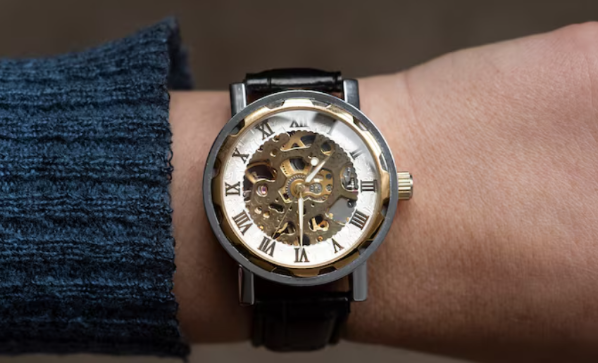
In the world of luxury watches, few names carry the same reputation for craftsmanship, innovation, and timeless design as Patek Philippe. Known for its detailed mechanical movements and carefully finished timepieces, the Swiss watchmaker has earned the respect of collectors and watch enthusiasts around the world. Its creations are appreciated not only for their appearance but also for the technical knowledge and skilled work involved in producing each watch.
For many buyers, owning a Patek Philippe represents an appreciation for traditional watchmaking and the history behind the brand. Each collection has its own identity, offering different designs and functions while maintaining the standards associated with the company’s name. Through retailers such as Cortina Watch Thailand, customers can explore the appeal of นาฬิกา Patek Philippe by Cortina Watch Thailand and discover what makes these luxury timepieces stand out in a competitive market.
The History Behind a Respected Swiss Watchmaker
Patek Philippe’s story began in 1839 when Antoine Norbert de Patek established a watchmaking business in Geneva with François Czapek. The company initially operated under the name Patek, Czapek & Cie. After their partnership ended, Patek joined forces with French watchmaker Jean Adrien Philippe in 1845. Philippe was known for developing a keyless winding and hand-setting mechanism, an important advancement that helped change how watches were operated.
The partnership eventually led to the establishment of Patek Philippe & Cie. Their shared interest in technical development and careful craftsmanship helped shape the company’s direction. Over the following decades, the brand became known for producing complicated watches that combined practical functions with refined design.
Its long history has allowed Patek Philippe to build a strong identity in the luxury watch industry. Rather than relying only on changing fashion trends, the company has continued to develop its collections while preserving many of the qualities that made its early watches respected.
Innovations That Helped Shape Modern Watchmaking
Patek Philippe has contributed several important developments to the history of horology. The company introduced an early wristwatch in 1868, demonstrating its willingness to explore new ways of wearing and using timepieces. It also became known for complicated mechanisms that required considerable engineering skill.
Among the functions associated with the brand are perpetual calendars, minute repeaters, and split-seconds chronographs. A perpetual calendar can account for differences in month lengths and leap years, reducing the need for frequent manual adjustments. A minute repeater uses an internal mechanism to indicate the time through audible chimes, while a split-seconds chronograph allows users to measure separate intervals during the same timing session.
These features require precise coordination between numerous small components. Their development demonstrates the level of technical understanding involved in high-end mechanical watchmaking.
Design has also played an important role in the brand’s history. The Calatrava collection, introduced in 1932, became known for its clean lines and understated appearance. Its simple styling helped establish a lasting example of classic dress-watch design. In 1976, Patek Philippe introduced the Nautilus, a luxury sports watch with a distinctive case shape and integrated bracelet. The collection challenged traditional ideas about what an expensive watch could look like and remains one of the brand’s most recognised designs.
The Craftsmanship Behind Every Patek Philippe Watch
A major part of Patek Philippe’s reputation comes from the attention given to the construction of its watches. Mechanical timepieces contain intricate systems of gears, springs, wheels, and other components that must work together accurately. Creating and assembling these parts requires specialised knowledge, patience, and careful quality control.
The finishing process is equally important. Techniques such as anglage, which involves carefully beveling and polishing component edges, improve the appearance of individual parts. Côtes de Genève, a decorative striped finish, is another traditional technique used in fine watchmaking. Although some finishing details are not immediately visible when a watch is worn, they reflect the level of care invested in its construction.
Patek Philippe combines traditional hand-finishing methods with modern manufacturing technology. This approach helps the company maintain consistent standards while continuing to improve the performance and reliability of its movements. The result is a timepiece in which technical function and visual presentation receive considerable attention.
Understanding the Patek Philippe Seal
In 2009, the company introduced the Patek Philippe Seal as its own quality standard for watches and their movements. The seal covers more than the appearance of a finished product. It also addresses technical performance, precision, reliability, and the quality of service provided to owners.
This standard reflects the company’s decision to establish requirements across the entire watchmaking process. It includes expectations for the finishing of components and the performance of the completed timepiece. By applying its own comprehensive criteria, Patek Philippe aims to maintain consistency across its collections.
For customers, quality standards are an important part of understanding what distinguishes a luxury watch from an ordinary timepiece. They provide insight into the level of inspection and care involved before a watch reaches the market. The Patek Philippe Seal also reinforces the brand’s focus on long-term ownership rather than simply producing watches for short-term appeal.

Why Collectors Continue to Value Patek Philippe
Patek Philippe watches have a strong following among collectors because of their history, technical features, and limited production. Certain vintage models are particularly sought after because they represent important periods in the development of watchmaking.
One notable example is Reference 1518, introduced in 1941. It is recognised as the first serially produced perpetual calendar chronograph wristwatch. Its historical importance and relatively limited availability have made it a significant model among collectors.
Some Patek Philippe watches have also achieved remarkable prices at international auctions. However, not every model automatically increases in value, and the resale market can change depending on demand, condition, rarity, and provenance. Buyers interested in collecting should consider these factors rather than assuming that a luxury watch will always provide a financial return.
The brand’s limited annual production also contributes to its appeal. Producing watches in controlled quantities allows the company to maintain its focus on craftsmanship, although availability varies between models and markets. For enthusiasts, finding a particular reference can be part of the enjoyment of collecting.
A Brand Appreciated by Influential Figures
Throughout its history, Patek Philippe has attracted customers from different backgrounds, including royalty, scientists, musicians, and other prominent personalities. Historical owners have included Queen Victoria and Pope Pius IX, while Albert Einstein is also associated with the brand.
These connections have contributed to the company’s public image, but its reputation does not depend only on famous owners. Collectors are often more interested in the watches themselves, including their mechanical features, design history, and level of craftsmanship.
For many enthusiasts, a Patek Philippe watch carries personal meaning. It may mark a career achievement, celebrate a family occasion, or become an item passed down to another generation. This connection between a timepiece and its owner helps explain why the brand is often associated with long-term ownership and family heritage.
Balancing Tradition with Future Developments
Although Patek Philippe is closely connected to traditional watchmaking, it continues to explore new technologies and designs. Modern materials, improved manufacturing processes, and developments in movement engineering allow the company to refine its watches while maintaining its established identity.
The challenge for a heritage watchmaker is to introduce improvements without losing the qualities that customers value. Patek Philippe addresses this by maintaining familiar design principles while developing new models and technical functions. Its collections therefore include both classic watches and more contemporary designs.
As interest in mechanical watches continues, the combination of history and innovation remains important. Collectors may appreciate traditional movements, while newer buyers may be drawn to modern case designs and practical features. Offering both helps the brand remain relevant to different generations of watch enthusiasts.
The Lasting Appeal of Patek Philippe
Patek Philippe has built its reputation through generations of technical development, detailed craftsmanship, and distinctive design. From its early beginnings in Geneva to its modern collections, the company has remained focused on creating watches that combine reliable timekeeping with careful attention to detail.
For anyone interested in fine horology, exploring Patek Philippe means discovering more than a luxury accessory. It offers a closer look at the history, engineering, and artistry behind mechanical watchmaking. Whether admired for its complications, classic appearance, or collectibility, a Patek Philippe timepiece continues to represent a lasting connection between tradition and innovation.