
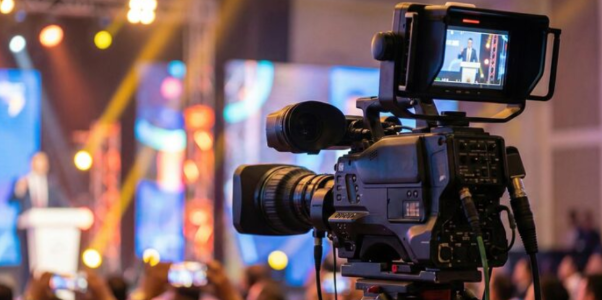
Events bring people together, create important memories, and give businesses opportunities to connect with their audiences. However, these moments do not have to end when the event is over. Through professional video coverage, organisers can preserve important highlights and share them with people who were unable to attend. This growing demand has made event video production in Singapore an important part of the events industry, helping companies and individuals turn live experiences into engaging visual stories.
From corporate conferences and product launches to weddings and private celebrations, professionally produced videos offer more than a simple record of what happened. They capture the atmosphere, emotions, messages, and details that make each occasion meaningful. As filming equipment and editing tools continue to improve, event videos are becoming more creative, accessible, and useful for different purposes.
How Event Video Production Has Changed Over the Years
Event filming has developed significantly since the early days of video production. In the past, professional recording often required expensive cameras, large equipment setups, and specialised production teams. This made high-quality video coverage less accessible to smaller businesses and individuals organising private events.
Today, improvements in camera technology, sound equipment, and digital editing software have made professional production more flexible. Videographers can work with smaller cameras, portable lighting systems, and advanced stabilisation equipment without sacrificing overall quality. These developments allow production teams to cover different venues and event formats more efficiently.
High-definition and 4K recording have also improved the viewing experience. Clearer images, better colour reproduction, and improved audio recording help audiences experience important moments even when watching from another location. Modern editing software also allows videographers to combine footage, interviews, background music, and visual effects into a polished final video.
Digital platforms have further increased the value of event recordings. Instead of keeping videos for private viewing, organisers can publish selected footage online, share highlights with attendees, and use the content to reach a wider audience.
Why Businesses Invest in Corporate Event Videos
Corporate events provide businesses with opportunities to introduce products, discuss industry developments, recognise achievements, and build relationships with clients and partners. Professional video coverage helps preserve these activities while creating content that can be used long after the event has finished.
Product launches, conferences, seminars, award ceremonies, and company celebrations all offer valuable filming opportunities. A well-produced video can capture important presentations, audience reactions, speaker interviews, and memorable moments. These details help communicate the purpose and atmosphere of an event to people who were not present.
Businesses can also use event footage as part of their marketing and communication efforts. Short highlight videos are suitable for social media, while longer recordings may be useful for internal training, company updates, or sharing presentations with employees and business partners. This gives organisations more ways to make use of the content they have already created.
Corporate event videos can also strengthen brand recognition. Consistent visual presentation, clear messaging, and professional editing help businesses communicate their identity. When the footage reflects the company’s values and goals, it can support future promotional campaigns and create a stronger impression among viewers.
Preserving Personal Celebrations Through Video
Professional event filming is not limited to businesses. Weddings, birthdays, anniversaries, family reunions, and other personal celebrations can also benefit from thoughtful video coverage.
Photographs preserve individual moments, but videos capture movement, conversations, music, and natural reactions. A wedding film, for example, can include the exchange of vows, speeches from family members, the couple’s first dance, and spontaneous interactions between guests. These details help recreate the atmosphere of the celebration when the family watches the recording years later.
A skilled videographer also understands that not every meaningful moment happens in front of the camera. Some of the most memorable footage comes from candid interactions, quiet emotional exchanges, and unexpected reactions. Capturing these moments requires careful observation and an ability to work without interrupting the event.
Editing brings all these recordings together into a story that feels natural and enjoyable to watch. The final video can become a lasting reminder of an important occasion, allowing families and friends to revisit experiences that might otherwise fade with time.
Modern Technology Is Expanding Creative Possibilities
Technology continues to influence how event videos are planned, recorded, and edited. Drones, gimbals, wireless microphones, and compact cameras give production teams more options when covering different types of events.
Drones can provide aerial footage of suitable outdoor venues, large gatherings, and surrounding locations. These shots can establish the setting and give viewers a wider understanding of the event space. However, drone use depends on weather, venue restrictions, and applicable aviation regulations.
Gimbals help videographers capture smoother moving shots while walking through a venue or following important activities. This is particularly useful for events where the camera operator needs to move between speakers, performers, and guests. Wireless audio equipment also helps record speeches and interviews clearly, even when the camera is positioned farther away.
Some productions may also use 360-degree cameras or virtual reality technology to create more immersive viewing experiences. These approaches can be useful for selected events, especially when organisers want audiences to explore a location or experience a presentation from different viewpoints. Although these tools are not necessary for every project, they provide additional creative options.
The Importance of Skilled Event Videographers
Having modern equipment does not automatically guarantee a successful event video. The experience, preparation, and creative decisions of the production team remain important factors in the final result.
Professional videographers understand camera positioning, lighting conditions, composition, and audio recording. They know how to adjust when a speaker moves unexpectedly, lighting changes, or an important activity takes place in a different part of the venue. Their ability to respond quickly helps prevent important moments from being missed.
Preparation is equally important. Before filming begins, the production team should understand the event schedule, venue layout, key participants, and organiser’s expectations. This allows them to identify important scenes and prepare the equipment needed for each part of the programme.
Communication between videographers and event organisers also helps the production run smoothly. When everyone understands the filming plan, camera placement and movement can be arranged without disrupting guests or interfering with the event itself.
Managing Production Challenges and Expectations
Despite improvements in technology, event video production still involves practical challenges. Changing lighting conditions, background noise, crowded venues, and tight schedules can affect the filming process. Production teams must be prepared to handle these situations while maintaining consistent recording quality.
Another common challenge is meeting expectations for fast delivery. Businesses and event organisers often want highlight videos shortly after an event, particularly when they plan to share the content on social media. However, editing requires time for reviewing footage, selecting suitable scenes, adjusting colours, balancing audio, and arranging the final sequence.
Clear communication about deadlines and deliverables can help avoid misunderstandings. Some clients may need a short highlight video within a few days, while others may prefer a longer edited recording delivered later. Agreeing on these details before filming helps the production team manage its schedule and maintain quality.
What the Future Holds for Event Video Production
The future of event filming will likely involve more advanced editing tools, flexible recording methods, and greater use of digital platforms. Artificial intelligence may help production teams organise footage, identify useful scenes, generate captions, and complete certain editing tasks more efficiently. However, creative decisions and an understanding of the event’s purpose will remain important.
Live streaming is also expected to remain valuable for organisations that want to reach audiences beyond the physical venue. Combining live coverage with professionally edited recordings gives businesses more opportunities to communicate with employees, customers, and partners.
As Singapore continues to host corporate gatherings, cultural celebrations, and private events, the demand for quality video coverage is likely to remain strong. Professional event videos help preserve important experiences, support business communication, and bring people closer to moments they may not have been able to witness themselves.
Ultimately, event video production is about more than recording what happens on a particular day. It is about turning meaningful experiences into stories that people can revisit and share. With the right preparation, creative direction, and technical expertise, every event can leave behind a lasting visual record.