
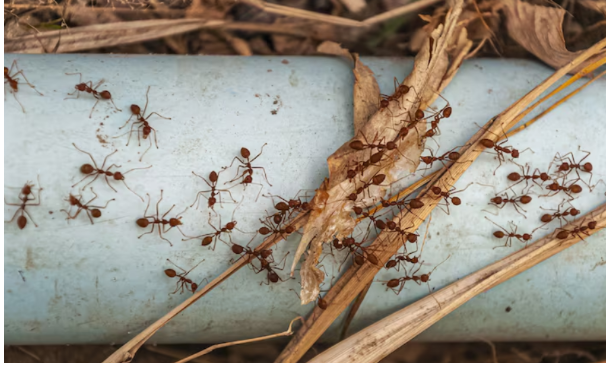
Ants may be small, but an infestation can quickly become a frustrating problem for homeowners and businesses. They often enter properties in search of food, water, and suitable nesting areas. Once they discover a reliable source, they can leave scent trails that guide other members of the colony towards the same location. Effective ant pest removal therefore involves more than getting rid of the ants that are visible. It requires finding out where they are coming from, understanding their behaviour, and choosing control methods that address the colony as well as the insects inside the property. For expert advice and assistance, a professional ant pest removal service can help identify the problem and recommend an appropriate treatment plan.
Understanding Why Ants Invade Homes and Businesses
Ants are social insects that live in organised colonies. Depending on the species, a colony may contain hundreds or thousands of individuals, including workers, queens, and developing young. Each member has a role that supports the survival of the group. Worker ants search for food and water, maintain the nest, and help care for the young, while the queen is responsible for producing eggs.
One reason ants are difficult to control is their ability to communicate through chemical signals called pheromones. When a worker finds food, it can leave a scent trail that other ants follow. This explains why ants often appear in long lines along kitchen counters, floors, walls, and other surfaces. Removing the visible insects without addressing the source of the trail may only provide temporary relief.
Ants can enter through small openings around doors, windows, pipes, foundations, and other structural gaps. They may build nests outdoors in soil, gardens, or beneath paving, while some species establish colonies inside walls and other protected spaces. Food scraps, sugary spills, pet food, and poorly sealed rubbish bins can make a property particularly attractive to them.
Identifying the Ant Species Before Treatment
Not all ants behave in the same way, so identifying the species is an important part of choosing an effective treatment. Their size, colour, nesting habits, and food preferences can provide useful clues. However, some species look similar, making professional identification helpful when the infestation is difficult to assess.
Carpenter ants, for example, commonly nest in damp or damaged wood. They do not eat wood like termites, but their tunnelling can weaken wooden materials over time. Pharaoh ants are another concern because they can establish colonies indoors, including in warm buildings with multiple rooms. Their small size and ability to nest in concealed areas can make them particularly challenging to manage.
Other species may prefer sweet foods, while some are more attracted to proteins and fats. Understanding these preferences helps determine which bait or control method is likely to work. Using an unsuitable product may fail to attract the ants or may not reach the colony. In certain cases, disturbing a colony with the wrong treatment can also encourage it to split into smaller groups and spread to additional areas.
Reducing Ant Activity Through Non-Chemical Methods
Good housekeeping is one of the simplest ways to make a property less attractive to ants. Food should be stored in tightly sealed containers, and spills or crumbs should be cleaned up as soon as possible. Kitchen counters, dining areas, and floors need regular attention, particularly in places where food is prepared or consumed.
Rubbish should be kept in covered bins and removed regularly. Pet food should not be left out for extended periods, especially overnight, if ants are frequently appearing around feeding areas. Fixing leaking taps and pipes can also help by removing sources of moisture that may attract insects.
Sealing cracks and gaps around windows, doors, pipes, and foundations can reduce the number of entry points. Weather stripping and suitable sealants may help close openings that ants use to enter buildings. Outdoor maintenance is equally useful. Removing fallen leaves, clearing debris, and keeping vegetation from touching exterior walls can reduce potential nesting and access areas.
Some household products, such as vinegar solutions, may temporarily remove scent trails from certain surfaces. However, natural repellents and essential oils should not be treated as guaranteed solutions. They may discourage ants from using a particular area, but they generally do not eliminate an established colony.
Choosing the Right Ant Baits and Chemical Treatments
When an infestation continues despite preventive measures, insecticides and bait products may be needed. Ant baits are commonly used because they take advantage of the insects’ natural food-gathering behaviour. Worker ants collect the bait and carry it back to the nest, where it may be shared with other colony members.
The effectiveness of a bait depends on several factors, including the ant species, the ingredients, and the food currently available. Some ants prefer sweet-based baits, while others may respond better to protein or grease-based options. This is why identifying the species and observing their feeding behaviour can improve treatment decisions.
Sprays and granular products may also be used in certain situations, depending on where ants are nesting and how they are entering the property. However, these products must be selected and applied carefully. Spraying directly around bait stations, for example, may discourage ants from reaching the bait. Always follow the product label and keep insecticides away from children, pets, food, and surfaces where contamination could occur.
Using excessive amounts of insecticide does not necessarily produce better results. Incorrect or repeated applications may expose people and animals to unnecessary risks while failing to solve the underlying problem.
When to Contact a Professional Ant Control Service
Professional assistance is worth considering when ants keep returning, appear in several rooms, or seem to be nesting inside walls and other inaccessible areas. A pest control specialist can inspect the property, identify likely entry points, and assess the size and location of the infestation.
Based on the findings, the specialist can recommend a suitable combination of baiting, targeted treatments, and preventive work. This approach is especially useful when dealing with species that require more specialised control methods or when previous household treatments have not worked.
Professionals can also explain how to prepare the property before treatment and what precautions to follow afterwards. Their experience helps reduce unnecessary pesticide use and ensures that treatment decisions are based on the actual conditions rather than guesswork.
Monitoring and Preventing Future Infestations
Even after ant activity decreases, regular monitoring is important. Ants may return if food sources, moisture problems, and entry points remain available. Checking common problem areas, such as kitchens, storage rooms, bathrooms, and outdoor walls, can help detect new activity before it becomes widespread.
Ant monitoring stations may be useful in selected locations, particularly around areas where ants have previously appeared. However, they should be placed and maintained according to the manufacturer’s instructions. Property owners should also check for damaged seals, leaking pipes, and gaps that may allow insects to enter.
Seasonal changes can influence ant activity. Heavy rain, dry conditions, and shifts in temperature may encourage ants to look for shelter, water, or food indoors. Being aware of these patterns allows homeowners and property managers to maintain preventive measures throughout the year rather than waiting until an infestation becomes obvious.
Considering the Environment During Ant Control
Effective pest management should also consider the surrounding environment. Ants play useful roles in natural ecosystems by helping break down organic material, moving soil, and contributing to seed dispersal. The goal of pest control is therefore to manage unwanted activity around buildings without causing unnecessary harm to other organisms.
Integrated pest management supports this approach by combining inspection, sanitation, exclusion, monitoring, and carefully selected treatments. Instead of relying on broad pesticide applications, it focuses on understanding the cause of the infestation and using the most suitable methods for the situation.
Building a Long-Term Plan for Ant Prevention
Lasting ant control depends on addressing both the insects and the conditions that attract them. Cleaning food residues, managing rubbish, reducing moisture, sealing entry points, and monitoring common problem areas can all help prevent infestations. When these measures are not enough, professional treatment can provide a more targeted solution.
By understanding ant behaviour and choosing suitable control methods, property owners can reduce the risk of recurring problems. A consistent approach also makes it easier to protect kitchens, storage areas, workplaces, and other spaces from unwanted ant activity. With proper inspection, timely treatment, and regular maintenance, keeping a property comfortable and free from persistent ant infestations becomes much more manageable.