
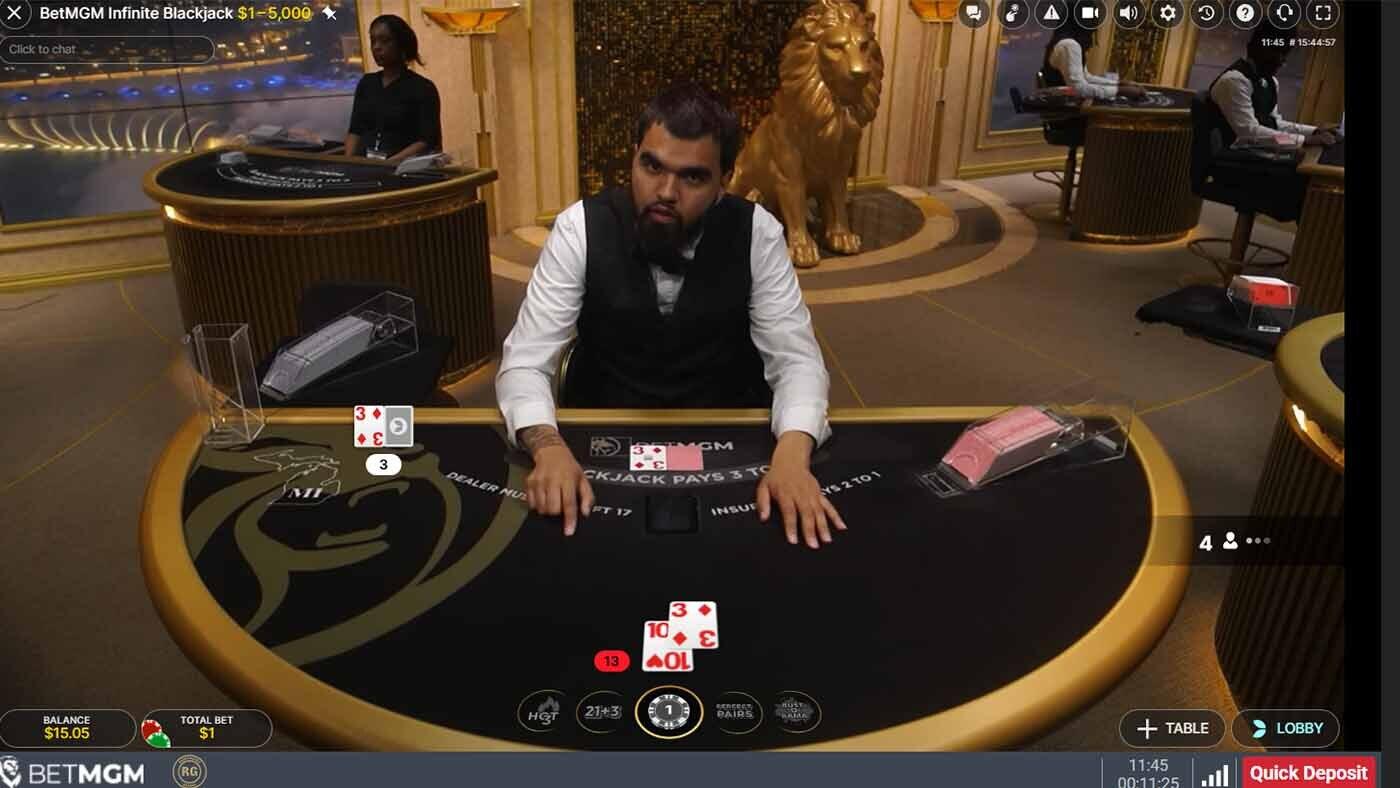
Digital blackjack offers two main ways to play: free play and real-money games. Both follow the same basic goal of getting closer to 21 than the dealer without exceeding that total. But, the way players use credits, access tables, and manage their funds differs between the two formats.
Free-play tables use virtual credits for practice, while real-money tables involve actual money. Playing for real money may also require account registration and identity checks, depending on the platform. Understanding these differences helps players know what to expect from each option.
Exploring How Free Play Tables Usually Work
Free-play blackjack lets players learn the rules without risking real money. Players can use virtual credits to practice hitting, standing, doubling down, and splitting pairs before exploring how these decisions apply to online blackjack real money formats. They can also learn how to read their hands, follow the dealer’s actions, and compare table rules. This practice helps beginners learn how a blackjack round works before playing for real money.
Free-play tables also let players experiment with different decisions and observe how each one affects a hand. They can compare their choices over several rounds without risking real money. Some versions allow players to restart a session or replenish virtual credits when they run out. But, virtual credits have no real-world value, so free play doesn’t fully reflect the financial risks of playing with real money.
Examining Real-Money Tables and Their Requirements
Real-money blackjack differs from free play because participation involves actual funds rather than virtual credits. Users generally need to create an account, complete any required identity checks, and meet the service’s age and location requirements. Available table limits, accepted payment methods, and account features may also vary between services. These additional steps make it important to understand the applicable terms before participating.
Real-money blackjack tables may look like free-play versions, but players must also manage actual funds and transactions. Before playing, they should review the betting limits, deposit and withdrawal policies, and any associated fees. Knowing the rules and basic strategies can help players make informed decisions, but it cannot guarantee wins. Setting a budget and sticking to it helps keep spending under control.
Learning Blackjack Strategies Through Regular Practice
Free-play blackjack lets players practice basic strategies at their own pace. They can learn when to hit, stand, double down, or split a pair based on their cards and the dealer’s visible card. For example, players can compare different choices when holding 16 against a dealer’s 10. Repeating these situations helps them understand how common decisions affect each hand.
Players can also practice managing virtual credits and tracking their decisions across several rounds. They may compare table rules, such as whether the dealer must hit or stand on soft 17. These details help players understand why strategies can change between tables. Free play provides a simple way to learn these rules before exploring other blackjack formats.
Checking Online Blackjack Tables Before Playing
Players should review table rules and settings before choosing a blackjack game. Important details include minimum and maximum table limits, dealer rules, and the number of card decks used. They should also check whether the game features a live dealer or computer-generated cards. Comparing these options helps players understand how each table works.
For online blackjack, account terms and payment conditions also need attention. Players should check age requirements, location restrictions, and any identity checks required by the service. Setting a personal spending limit can help keep financial decisions within a planned budget. Reviewing these details before starting helps players make informed choices about their preferred format.
Comparing Game Features Rules and Table Settings
Both formats can offer similar blackjack rules, card displays, and player actions, although individual versions may differ. Some tables use different numbers of decks, while others have different dealer rules or player options. These details can affect how a round proceeds and how certain decisions should be considered. Checking the table rules is therefore useful regardless of whether the format uses virtual credits or actual funds.
The main differences often involve account features, table limits, and the purpose of each session. Free play focuses on learning and practice, while real-money tables combine gameplay with financial transactions and additional account conditions. Some services also offer live dealer blackjack, where a human dealer manages physical cards through a video stream.
Choosing the Right Format For Your Needs
Choosing a digital blackjack table involves more than deciding whether to play for free or use real money. Players should consider the table rules, betting limits, and account conditions before starting a game. These details help them find an option that matches their expectations and comfort level.
Regardless of the format, understanding each decision is important because the outcome of a hand is never certain. Beginners can take time to practice, while anyone playing with real money should set a firm spending limit. Knowing these boundaries helps players make informed choices and keep the experience within their control.