
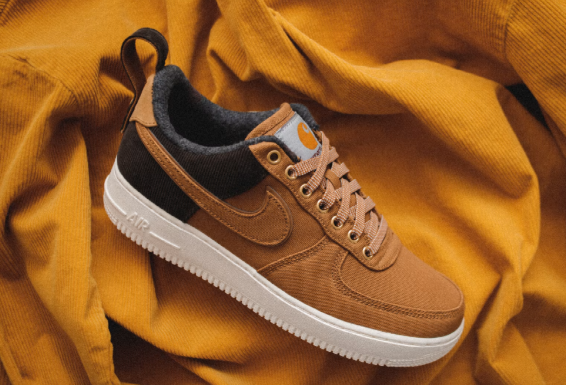
For men who wear size 15 shoes, finding appropriate footwear isn’t just about comfort—it’s a matter of workplace safety and long-term health. In construction and repair environments where workers spend entire shifts on their feet, often navigating uneven terrain, climbing ladders, or carrying heavy materials, the right footwear becomes critical infrastructure.
The challenge extends beyond simple availability. While most retail stores stock sizes 7 through 13, those needing size 15 face limited options and often settle for ill-fitting alternatives that compromise both safety and performance. This article examines why proper sizing matters in demanding work environments and explores the footwear options designed specifically for larger feet.
Why Size 15 Footwear Demands Specialized Attention
The biomechanics of larger feet create unique requirements that standard footwear often fails to address. Men with size 15 feet face distinct challenges that affect both comfort and workplace safety:
- Structural Support: Larger feet require proportionally more arch support and cushioning to distribute weight effectively. Inadequate support leads to plantar fasciitis, heel spurs, and chronic pain that worsens over time.
- Balance and Stability: In construction environments, proper footwear directly impacts balance on scaffolding, ladders, and uneven surfaces. Shoes that don’t fit correctly compromise stability and increase fall risk.
- Circulation and Swelling: Ill-fitting shoes restrict blood flow, causing swelling during long shifts. This becomes particularly problematic in hot weather or when standing for extended periods.
- Toe Box Space: Cramped toe boxes lead to blisters, calluses, and conditions like hammertoe. Proper toe space ranks among the most critical factors in preventing foot problems. You can learn more from this detailed journal article.
The scarcity of size 15 options in brick-and-mortar stores forces many workers to order online without trying shoes on first—a risky proposition when safety depends on proper fit. This reality makes understanding footwear specifications and construction quality even more essential.
Athletic Footwear Technology Meets Worksite Demands
Modern size 15 sneakers and running shoes have evolved beyond recreational use to serve as viable worksite footwear for many construction and repair professionals. The convergence of athletic shoe technology with workplace durability requirements has created options that previous generations lacked.
Key performance features include:
- Advanced Cushioning Systems: EVA foam midsoles and gel cushioning absorb impact from concrete floors and repetitive movements, reducing joint stress throughout 10-hour shifts.
- Reinforced Construction: Double-stitched seams, reinforced toe caps, and abrasion-resistant materials extend lifespan in harsh environments where standard shoes fail within months.
- Moisture Management: Breathable mesh panels and moisture-wicking linings prevent the bacterial growth and odor that plague workers in hot, humid conditions.
- Traction Engineering: Rubber outsoles with multidirectional tread patterns provide grip on various surfaces, from dusty job sites to wet conditions.
Selecting Footwear for Specific Work Environments
Not all size 15 shoes suit every construction or repair scenario. The right choice depends on specific workplace hazards and job requirements:
- Electrical Work: Requires non-conductive soles and materials that won’t conduct electricity. Look for shoes meeting ASTM F2413 electrical hazard standards.
- Outdoor Construction: Demands waterproof or water-resistant materials, especially in regions with frequent rain. Gore-Tex linings or treated leather provide protection without sacrificing breathability.
- HVAC and Plumbing: Benefits from slip-resistant soles that perform on wet surfaces and shoes that can withstand exposure to chemicals and solvents.
- General Contracting: Needs versatile footwear balancing protection, comfort, and flexibility for varied tasks throughout the day.
Material selection significantly impacts performance. Full-grain leather offers durability and develops a custom fit over time, while synthetic materials provide lighter weight and faster break-in periods. For anyone on their feet all shift, retailers like Hitchcock Shoes, Big Shoes, and Casual Male XL carry work shoes in size 15 built for long days.
Testing shoes before committing to a purchase remains ideal, though not always possible for size 15. When ordering online, verify the retailer’s return policy and consider ordering multiple pairs to compare fit and comfort before making a final decision.
Maintenance Practices That Extend Footwear Lifespan
Quality size 15 work shoes represent a significant investment. Proper maintenance can double or triple their useful life while maintaining the support and protection they provide:
- Daily Cleaning Protocol: Remove debris and dust after each shift using a stiff brush. For leather shoes, wipe with a damp cloth and apply conditioner monthly to prevent cracking.
- Drying Techniques: Never use direct heat sources like radiators or hair dryers, which damage adhesives and materials. Instead, remove insoles and stuff shoes with newspaper to absorb moisture overnight.
- Rotation Strategy: Alternating between two pairs allows each to fully dry between wears, preventing bacterial growth and material breakdown from constant moisture exposure.
- Insole Replacement: Replace insoles every three to four months, even if the shoe exterior remains intact. Compressed insoles lose cushioning properties and fail to provide adequate support.
- Storage Conditions: Keep shoes in a cool, dry location away from direct sunlight. Use shoe trees or stuff with paper to maintain shape during extended storage periods.
Regular inspection catches problems before they become serious. Check for sole separation, worn tread patterns, and upper material damage weekly. Addressing minor issues promptly—like regluing a separating sole—prevents complete shoe failure at inconvenient times.
The Hidden Costs of Improper Footwear
The consequences of wearing incorrectly sized or inadequate footwear extend far beyond immediate discomfort. Construction and repair workers face compounding health and safety risks that affect both career longevity and quality of life:
- Chronic Pain Development: Poorly fitted shoes contribute to plantar fasciitis, Achilles tendinitis, and knee problems that can become permanent without intervention.
- Workplace Injury Risk: Inadequate traction and support increase slip, trip, and fall incidents—the leading cause of construction fatalities according to OSHA data.
- Productivity Impact: Workers distracted by foot pain or discomfort make more errors and work less efficiently, affecting both quality and project timelines.
- Long-term Mobility: Years of wearing improper footwear accelerate joint deterioration and can lead to mobility limitations that persist into retirement.
The initial cost difference between adequate and premium footwear becomes negligible when measured against medical expenses, lost work time, and reduced career span. Investing in proper size 15 shoes isn’t an expense—it’s insurance against far costlier problems.
Making the Right Investment in Your Feet
For construction and repair professionals wearing size 15, footwear selection deserves the same careful consideration as any other critical safety equipment. The right shoes protect against immediate hazards while preventing the cumulative damage that shortens careers and diminishes quality of life.
Practical steps for finding optimal footwear:
- Measure Both Feet: Feet often differ in size. Always fit to the larger foot and use insoles or thicker socks to adjust the smaller foot if necessary.
- Shop Later in the Day: Feet swell during activity. Trying shoes when feet are at their largest ensures adequate room during actual work conditions.
- Test on Hard Surfaces: Carpet in stores masks how shoes feel on concrete. Walk on hard flooring to accurately assess cushioning and support.
- Verify Safety Ratings: Check that shoes meet relevant ASTM standards for your specific work environment, whether that’s electrical hazard protection, slip resistance, or impact resistance.
- Consider Total Cost of Ownership: A $150 pair lasting 18 months costs less per day than a $75 pair failing after six months, while providing better protection throughout.
The specialized nature of size 15 footwear means fewer options but also means each choice carries more weight. Prioritize fit and function over style, though modern options increasingly offer both. Your feet carry you through every workday—investing in their protection and comfort pays dividends in health, safety, and career longevity that extend far beyond the initial purchase price.