
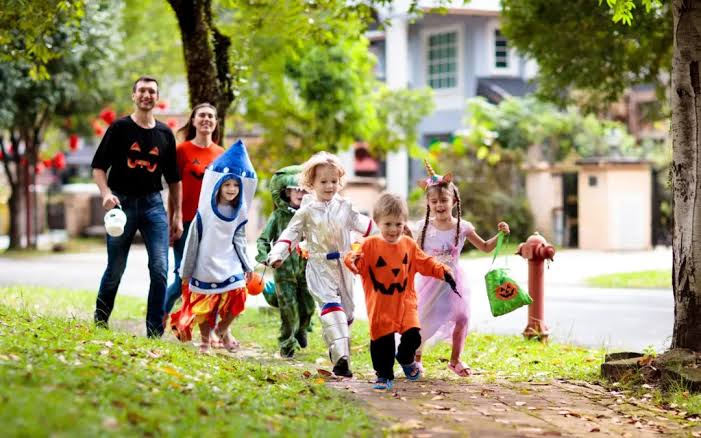
Ten minutes into the party, the costume you spent a week choosing is lying in a heap by the door, and your child is running around in a singlet. Most parents have lived some version of this moment, usually just as the camera comes out.
The reason is rarely ingratitude. Children experience clothing through their senses far more intensely than adults notice, and a costume that looks perfect on the hanger can feel very different on a small, wriggly body.
Comfort Comes Before Character
Scratchy seams, stiff netting, tight necklines and itchy labels are the usual culprits. Before buying, look at the inside of the garment as closely as the outside. Soft, stretchy materials generally win over rigid ones, especially for younger kids. Run your hand along the neckline and cuffs, since those are the spots that rub most during active play.
A thin cotton top and leggings underneath can buffer skin from rougher fabric. It also adds warmth if the event runs into the evening.
Fit Is Half the Battle
Age labels are only a rough guide. Children of the same age can differ widely in height and build, so measure height and chest, then compare those numbers with the size chart. Leave a little room for layers underneath and for movement.
Too long is a tripping hazard, and too tight will be abandoned quickly. Masks deserve special thought, since many children dislike anything that restricts vision or breathing. Face paint, tested first on a small patch of skin, is often a happier alternative.
Let Them Choose
Kids who pick their own costume are far more invested in wearing it. Rather than offering the entire catalogue, narrow things down to two or three options you’re happy with and let them make the final call.
Some styles are naturally forgiving. Pirate costumes are a good example: loose shirts, sashes, and hats can come off when the sun gets hot without ruining the look. Superhero capes and animal onesies also tend to be easy to wear for long stretches, and both survive enthusiastic running.
Hold a Dress Rehearsal
A trial run at home a few days before the event reveals problems early. Ask your child to sit, dance, climb and eat a snack while dressed up. Watch closely for tugging, scratching or complaints about heat.
It’s also worth checking how easily they can manage a toilet trip alone. Velcro and simple zips beat fiddly buttons and back ties, particularly at school, where help may not be immediately available.
Plan for the Conditions
Think about where the costume will be worn. An outdoor party in warm weather calls for breathable fabric, while an evening event needs layers. For anything after dark, add reflective tape or give your child a small torch so they’re easy to spot.
The Payoff
When a costume feels good, children forget they’re wearing it and simply become the character. That’s when the best photos happen, and when the effort you put into choosing finally pays off.