
Recognising the Importance of Healthy Hearing
Hearing is an important part of how people communicate, learn, and interact with the world around them. From understanding conversations to recognising sounds in the environment, good hearing supports everyday activities at home, school, and work. However, hearing difficulties can develop gradually, making them easy to overlook. A professional audiometry test helps identify changes in hearing ability by measuring how well a person detects different sounds, pitches, and frequencies.
Hearing assessments are commonly performed by audiologists and other qualified healthcare professionals. They provide information about a person’s hearing sensitivity and help determine whether further examination or treatment may be necessary. These evaluations are useful for people of different ages, including children, adults, and older individuals who may experience changes in hearing over time.
Recognising hearing problems early can make a difference in how they are managed. When difficulties are identified, individuals can explore suitable support and take steps to maintain their communication abilities and overall quality of life.
Understanding How an Audiometry Test Works
An audiometry assessment usually takes place in a controlled environment designed to minimise background noise. The patient may sit inside a sound-treated room and wear headphones or small ear inserts connected to specialised testing equipment.
During the procedure, the audiologist plays sounds at different frequencies and volumes. The patient indicates whenever a sound becomes audible, usually by pressing a button or raising a hand. The professional gradually adjusts the volume to determine the quietest sounds the individual can hear at different pitches.
The results are recorded on a chart called an audiogram. This visual representation helps the audiologist understand the person’s hearing sensitivity and identify patterns that may indicate hearing loss.
The procedure is generally straightforward and non-invasive. Patients do not need to produce speech or perform physically demanding activities during standard hearing assessments. However, following the instructions carefully is important because accurate responses help professionals produce reliable results.
Different Methods Used in Hearing Assessments
Audiometry includes several testing methods that examine different aspects of hearing. The appropriate procedure depends on the patient’s symptoms, age, medical history, and initial assessment findings.
Pure tone audiometry is one of the most frequently used methods. It measures the ability to hear individual tones across a range of frequencies. The patient listens through headphones or ear inserts and responds whenever a tone can be detected. The results help determine the degree and pattern of hearing loss, including whether certain pitches are more difficult to hear than others.
Speech audiometry focuses on understanding spoken words rather than detecting individual tones. During this assessment, patients listen to recorded or spoken words at different volumes and repeat what they hear. The results help professionals evaluate speech recognition and understand how hearing difficulties may affect everyday conversations.
Bone conduction testing provides additional information about how sound reaches the inner ear. A small device called a bone oscillator is placed behind the ear, allowing sound vibrations to travel through the bones of the skull. Comparing bone conduction results with those from air conduction testing can help distinguish conductive hearing loss from sensorineural hearing loss.
These methods may be used together to provide a more complete understanding of an individual’s hearing condition.
Why Regular Hearing Evaluations Matter
Many people only consider having their hearing checked after noticing significant changes. However, regular assessments can help identify problems before they begin interfering with everyday communication.
Hearing loss may develop because of ageing, repeated exposure to loud noise, certain medical conditions, ear infections, or other factors. Some individuals may notice that they frequently ask others to repeat themselves, struggle to follow conversations in busy environments, or increase the volume of televisions and mobile devices.
Untreated hearing difficulties can affect relationships, social participation, and confidence. People who struggle to understand conversations may gradually avoid social situations because communication becomes tiring or frustrating. Hearing problems may also affect concentration and participation in professional activities.
Early assessment allows healthcare professionals to investigate possible causes and discuss suitable management options. Depending on the findings, recommendations may include medical treatment, hearing aids, assistive listening devices, or continued monitoring.
What Happens Before, During, and After Testing?
Before an assessment begins, the audiologist usually asks about the patient’s medical history and current hearing concerns. Previous ear infections, surgeries, medication use, family history, and exposure to loud environments may all be relevant. Patients should also mention symptoms such as ear pain, dizziness, or ringing sounds.
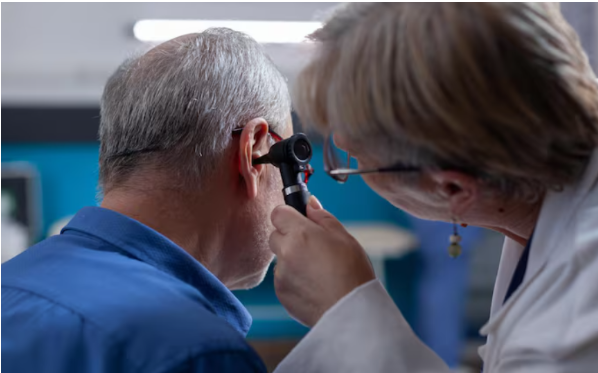
The professional may examine the ears before starting the hearing assessment. This helps identify visible concerns, such as excessive earwax or other conditions that could affect testing.
During the actual procedure, patients follow instructions and respond whenever they hear the sounds presented through the testing equipment. Different tests may be performed depending on the information the audiologist needs to collect.
After testing, the results are reviewed and explained. The audiologist may discuss whether hearing sensitivity falls within the expected range or whether certain frequencies show reduced sensitivity. If additional medical investigation is needed, the patient may be referred to an appropriate healthcare professional.
Understanding the results is important because hearing difficulties can have different causes and may require different approaches to management.
Children and the Need for Early Hearing Checks
Hearing health is particularly important during childhood because it contributes to speech development, language learning, and social interaction. Children rely on hearing to understand instructions, recognise words, and develop communication skills.
When hearing difficulties remain undetected, they may affect a child’s ability to follow classroom discussions, participate in activities, and interact with other children. Some children may not be able to explain that they are having difficulty hearing, which makes regular screening and professional evaluation important.
Newborn hearing screening programmes help identify possible hearing concerns shortly after birth. Older children may also require assessments if parents or teachers notice delayed speech, frequent requests for repetition, or difficulty responding to spoken instructions.
Testing methods can be adjusted according to a child’s age and ability to cooperate. Early identification allows families and healthcare professionals to explore appropriate support and help children develop communication skills.
Who Should Consider a Hearing Assessment?
Although anyone can benefit from having their hearing evaluated when concerns arise, certain individuals may need more frequent monitoring. Older adults are more likely to experience age-related hearing changes, while people working in construction, manufacturing, entertainment, and other noisy environments may face increased exposure to potentially harmful sound levels.
Individuals with a family history of hearing problems or those who have experienced repeated ear infections may also benefit from professional advice. People experiencing tinnitus, difficulty understanding speech, or noticeable changes in hearing should consider arranging an assessment.
The recommended frequency of testing depends on personal circumstances, workplace exposure, symptoms, and professional guidance. There is no single schedule that is suitable for everyone.
Technology Is Improving Modern Hearing Assessments
Advances in technology have made hearing evaluations more efficient and accessible. Modern audiometers often use digital systems to record responses, generate audiograms, and store patient information. This allows professionals to compare results from previous appointments and monitor changes over time.
Portable testing equipment has also expanded the settings in which certain hearing assessments can be performed. Depending on the equipment and testing conditions, professionals may be able to conduct selected evaluations in schools, workplaces, community centres, and other locations.
Telehealth services have created additional opportunities for remote consultations and hearing support. However, remote screening does not replace every type of clinical assessment. Some patients still require specialised equipment and an appropriate testing environment to obtain reliable diagnostic results.

Taking a Proactive Approach to Hearing Health
Hearing assessments provide valuable information that helps people understand their auditory health and recognise possible changes. Through different testing methods, audiologists can evaluate sound detection, speech recognition, and other aspects of hearing function.
Regular checks are particularly useful for children, older adults, and individuals exposed to loud environments. When concerns are identified, professional guidance can help determine the next steps and appropriate support.
Making hearing care part of overall health management encourages earlier attention to potential problems. With suitable assessments, informed decisions, and ongoing professional support, individuals can take practical steps towards protecting their hearing and maintaining better communication throughout life.